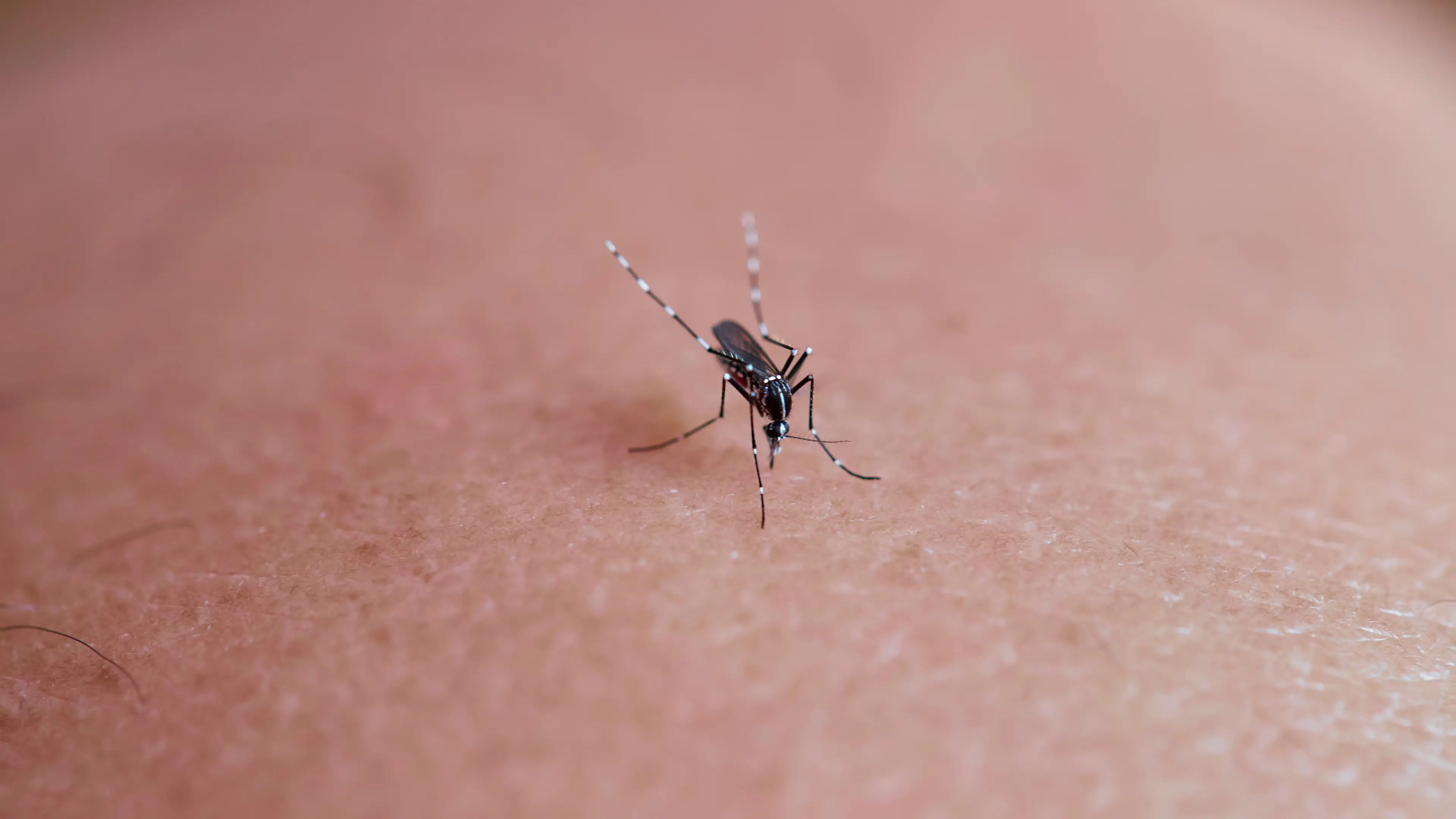
How to spot mosquito bites and why you might get bitten more than other people

Mosquitoes are more likely to bite certain people, according to researchers, as there are a number of factors which influence whose blood they decide to feast on.
The little bloodsuckers are an absolute menace to people all around the world as they buzz around being a nuisance and occasionally getting under your skin for a drink.
When it comes to these airborne pests some people are less fortunate than others, there'll be people who can practically walk through a cloud of mosquitoes unscathed while others would be eaten alive.
Fortunately for those wondering why mosquitoes seem so drawn to them there's a scientific answer to explain it, as some of the things you do can make you more appealing to the little biters.
Advert
If you want to know why some people are more prone to the proboscis of a mosquito then the answers lie within.
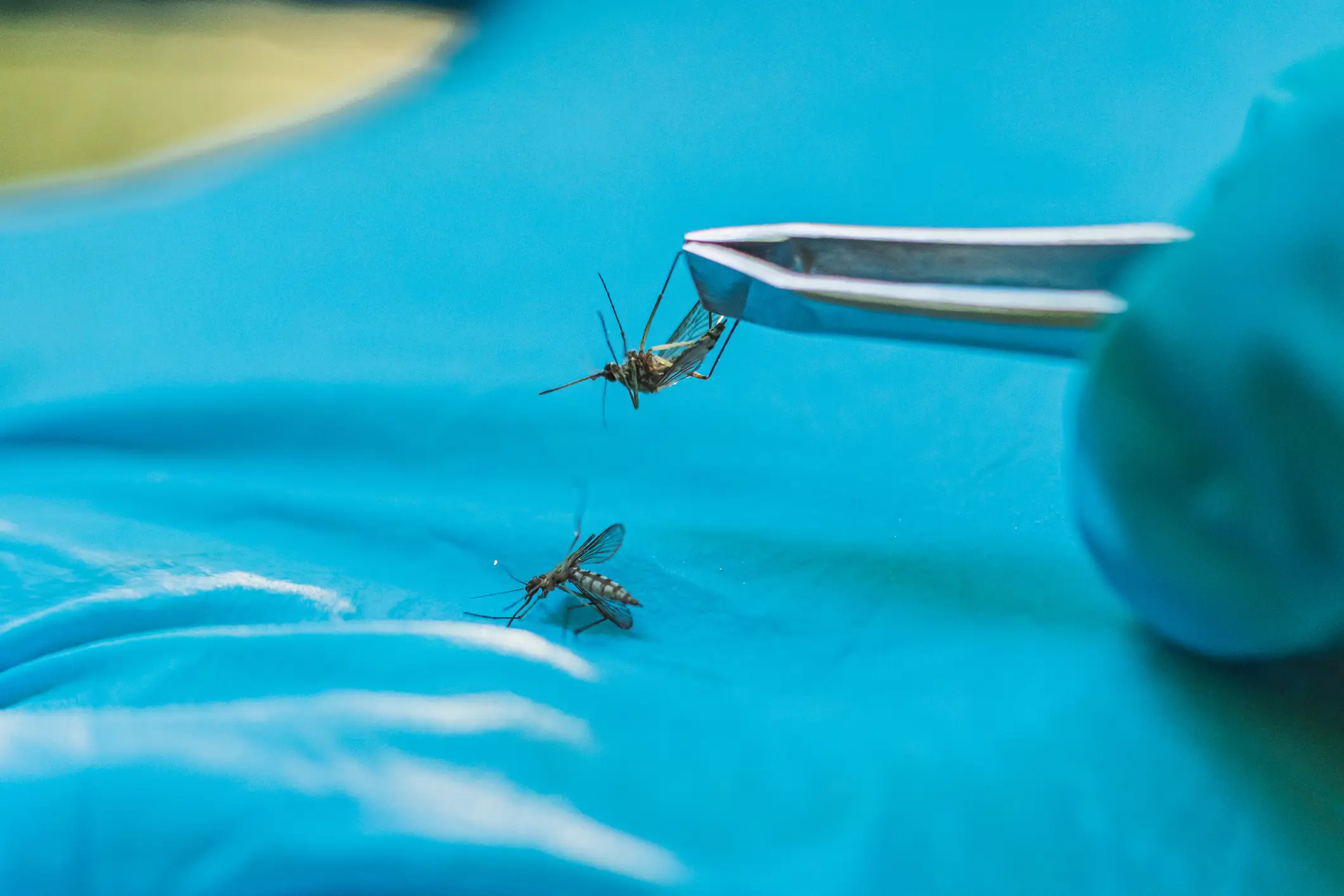
Why mosquitoes bite some people more often
Jonathan F. Day, Entomology Professor at the University of Florida, told the Huffington Post there were a series of cues for mosquitoes to pick up on and make them more likely to bite someone.
He said: "These cues let them know they are going to a blood source.
"Perhaps CO2 is the most important. The amount of CO2 you produce, like people with high metabolic rates ― genetic, other factors ― increases the amount of carbon dioxide you give off.
"The more you give off, the more attractive you are to these arthropods."
However, since there are a number of things that give off CO2 there are a series of 'secondary cues' to tip the flying menaces off about who to target.
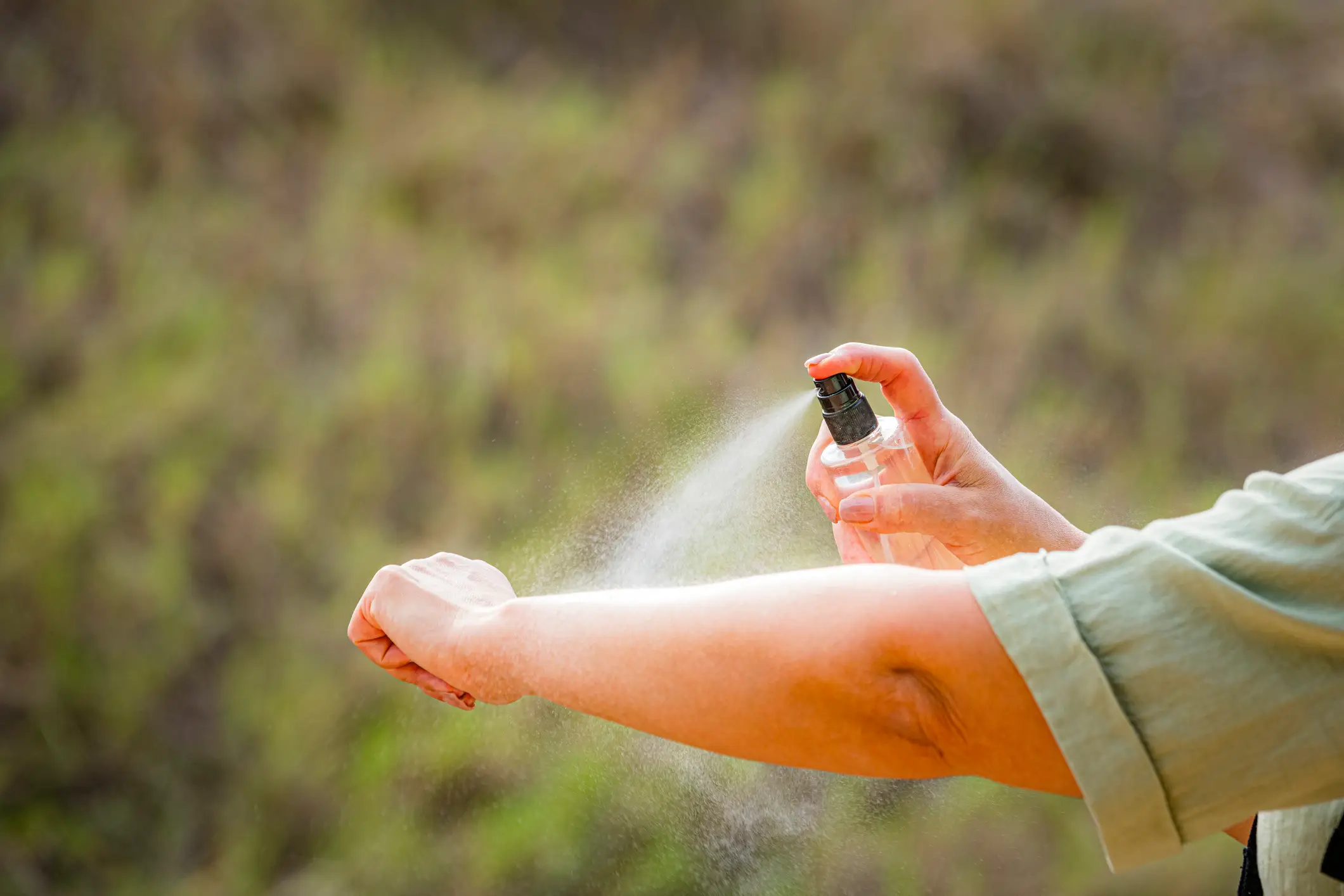
Professor Day said one of these was lactic acid being released through the skin, while another was wearing dark clothing which made you stick out more against the horizon.
On top of that there are 'tactile cues' such as body heat, so if you're warmer than others around you then you'll be more likely to attract mosquitoes.
Melissa Piliang, dermatologist at Cleveland Clinic, suggested that other factors such as exercising, drinking alcohol, being overweight or being pregnant can also impact the choice of a mosquito.
Other researchers have indicated that your blood type might also have something to do with it.
Several studies have provided researchers with data that people with type-O blood appear to be more appealing to hungry mosquitoes.
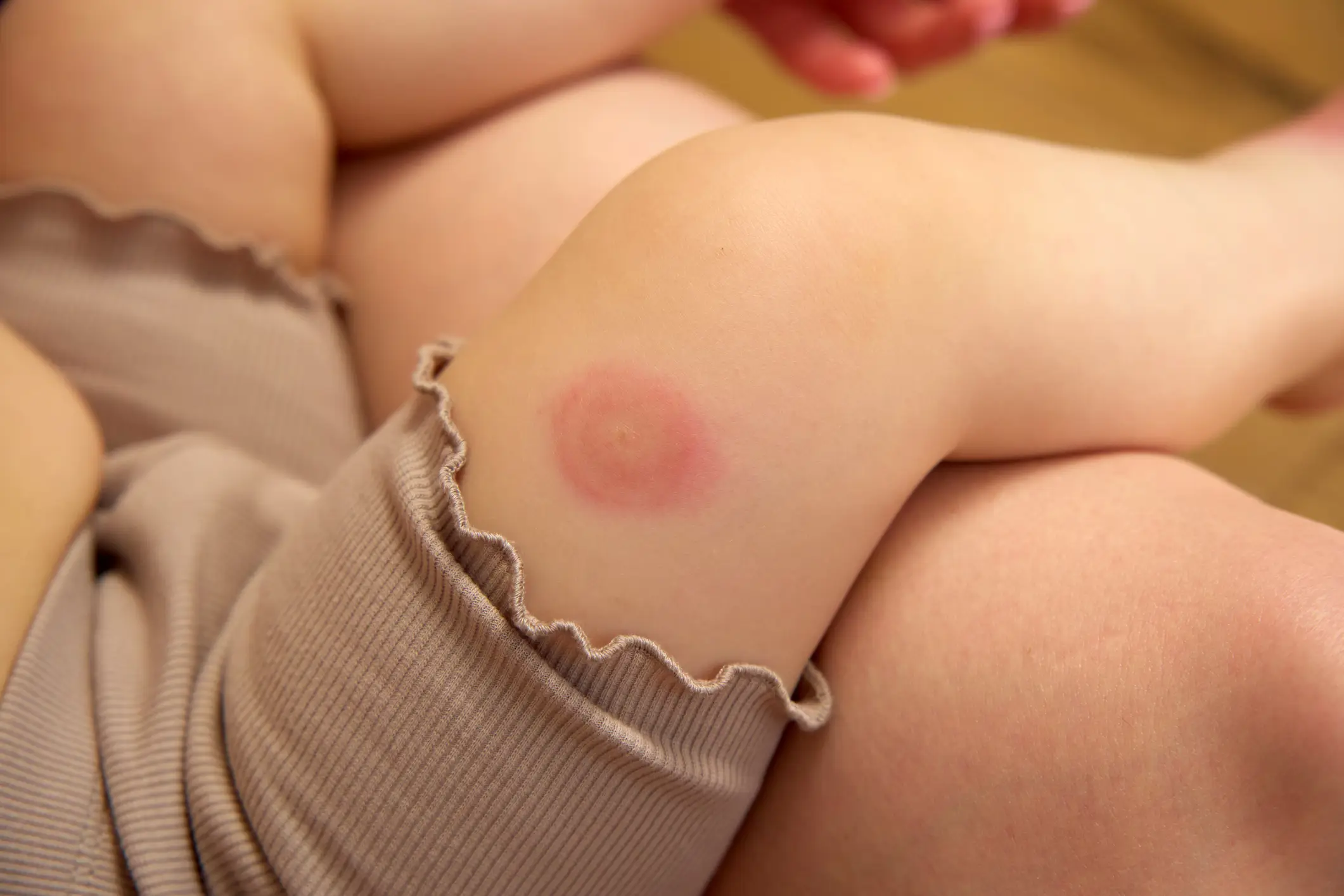
What mosquito bites look like
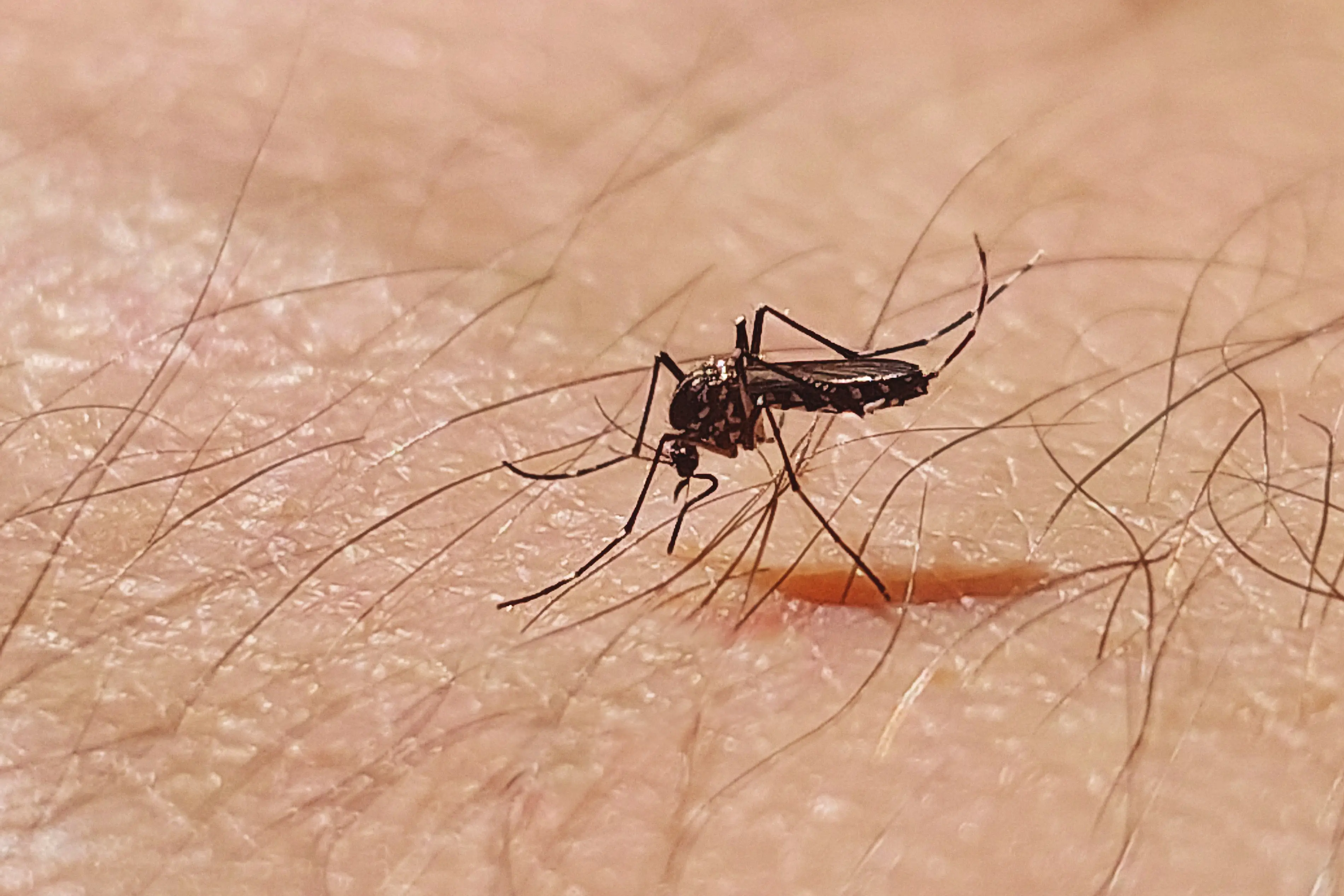
You'll typically be able to spot a mosquito bite in the form of a small bump on the skin, usually with a dark spot in the middle where the mosquito proboscis has punctured the skin.
Only female mosquitoes bite people and feed off their blood, with the insects typically feeding on plant nectar even if that long mouth of theirs can also suck blood as well.
While it's sucking your blood it also secretes saliva into your body, which the human body registers as an allergen and that's what causes the area around the bite to swell up and itch since your body sends a bunch of the chemical histamine to get the saliva out.
Being bitten by a mosquito is usually an annoyance but not more harmful, though in some cases the flying pest serves as a spreader of disease.
Mosquito bites spread the likes of malaria and dengue fever, which can be fatal.
How to spot mosquitoes
There are over 3,500 species of mosquito in the world so they won't all look alike, but you can spot them as six-legged winged creatures with a proboscis, that long point on their mouth which they use to drink your blood.
That detail really is the identifying feature as there are a number of other six-legged bugs with wings, but many species of mosquito will also have stripes on their legs.
As they fly around they'll also produce a high-pitched whining noise, and for full points in being annoying they'll often do it right by your ear.
If you put all those details together you're likely to be dealing with a mosquito and it probably wants your blood, so it's time to break out the bug spray and the flyswatter.
 Joe Harker