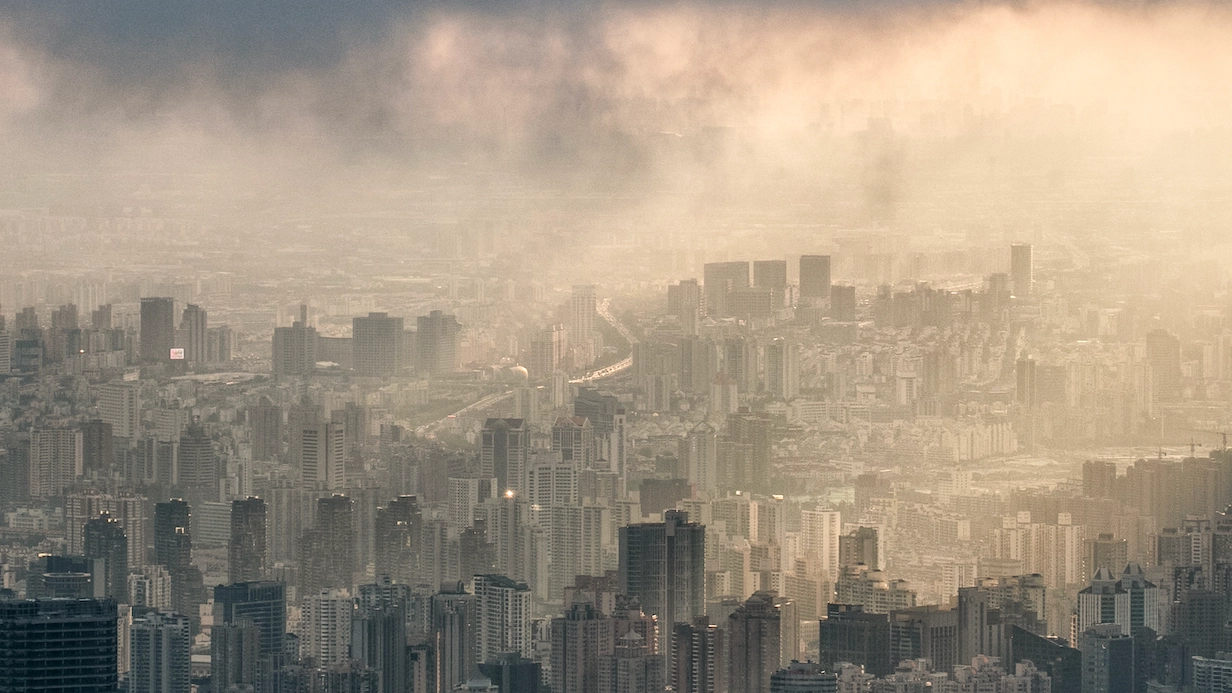
Map shows cities most at risk of El Nino effects as the weather phenomenon begins

Scientists have confirmed that El Nino has officially begun but it seems as if some cities will face the consequences more than others.
If you haven't heard of El Nino by now then you've probably been living under a rock, because the weather phenomenon is already showing signs of what it's capable of.
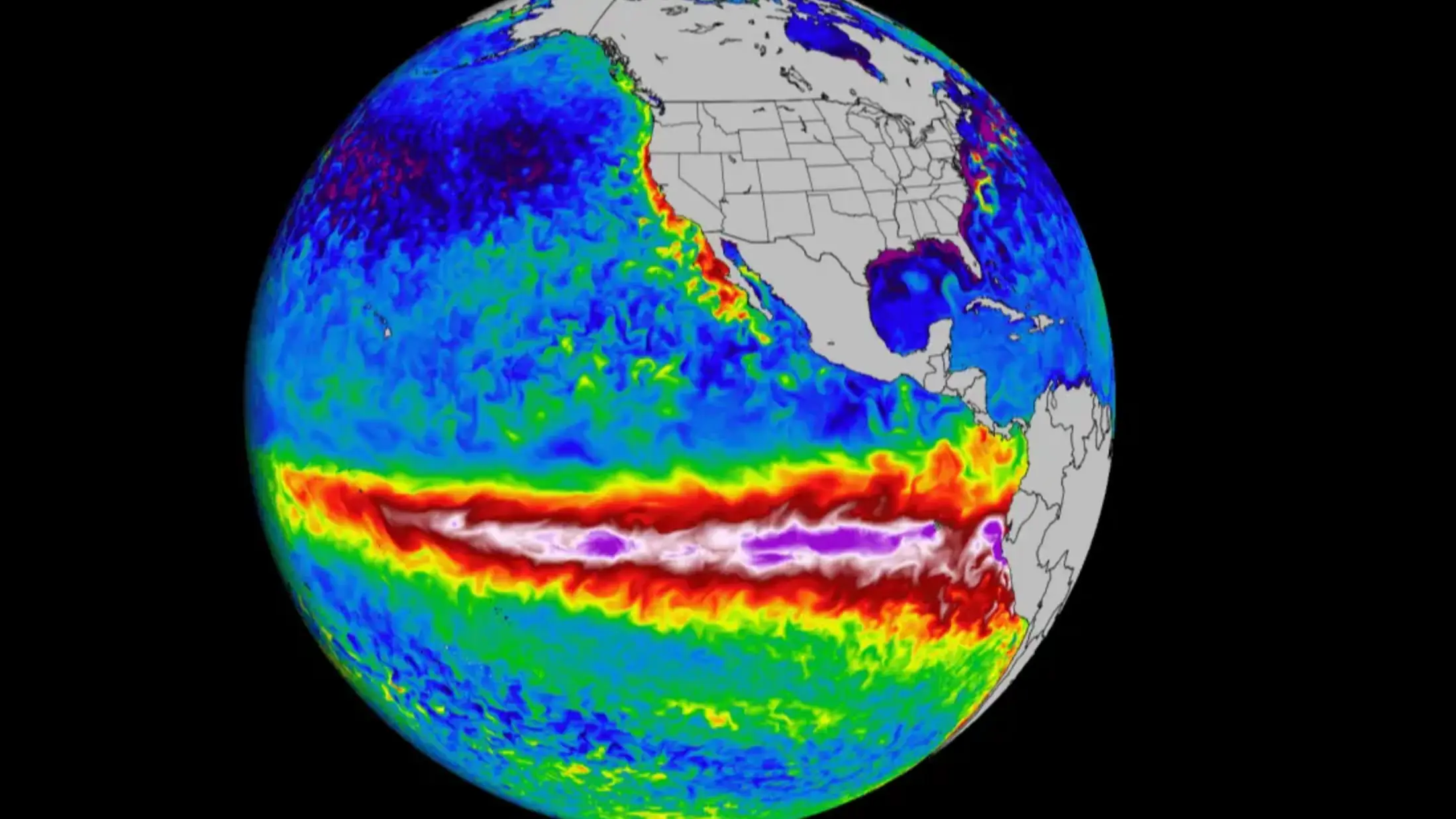
The complex weather patterns follow from variations in ocean temperatures and the recent NOAA announcement said there was a 63 percent chance of ocean temperatures rising by 2°C above average, meaning this would not just be an El Niño but a 'super' El Niño with even worse destructive capability.
This means that some areas could suffer massive disasters such as forest fires in drier areas and floods in places with wetter conditions, although things might be a little different in the UK, with our favourite island lower down on the scale.
Advert
After the event officially commenced, scientists from the University of Oxford decided to rank 220 cities from around the world to see who would be most vulnerable to some of the extreme weather conditions that are expected from this Super El Nino.
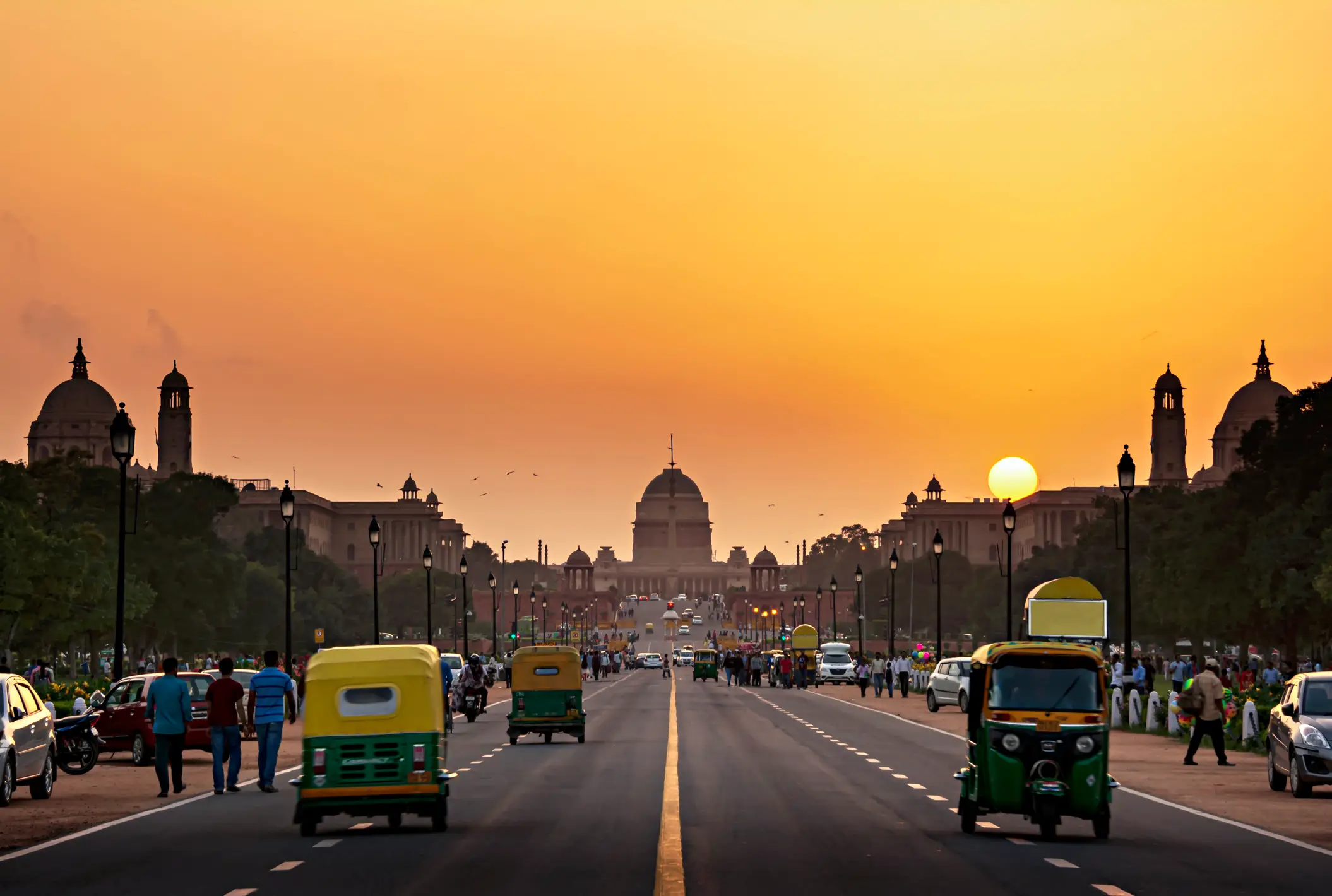
Lead author Nethmi Jayaratne Kariyawasam said it was not just exposure to hot temperatures that people should be worried about, as the expert explained how life-threatening consequences could arise in areas which are particularly vulnerable.
He said: "Our study highlights the importance of multi–faceted global heat risk assessments, which reveal the diverse pathways through which urban heat risk emerges," the expert added. "In many major cities, particularly across Asia and Africa, extreme heat coincides with high vulnerability and limited coping capacity.
"This combination can substantially increase heat risk and, in some cases, have life–threatening consequences."
It seems as if areas in South and South East Asia, as well as Sub-Saharan Africa could be most at risk going off the scientists' list of the 20 cities which could be hardest hit by the phenomenon.
They include:
- Al Basrah, Iraq
- Ahmadabad, India
- Bamako, Mali
- Nagpur, India
- Quezon City, Philippines
- Baghdad, Iraq
- Madurai, India
- Faisalabad, Pakistan
- Lagos, Nigeria
- Hyderabad, Pakistan
- Barranquilla, Colombia
- Ibadan, Nigeria
- Port Harcourt, Nigeria
- Conakry, Guinea
- Bhopal, India
- Ho Chi Minh City, Vietnam
- Kaduna, Nigeria
- Bandung, Indonesia
- Port-au-Prince, Haiti
- Kanpur, India
Although there were other areas across the world that could experience even more extreme heat, these 20 were found to have the worst combinations of heat when compared with demographic and socioeconomic factors.
The study authors added: "Heatwaves are increasing in frequency, duration, and intensity, driving excess mortality, infrastructure failures, and economic losses in cities worldwide.
"With over half of the global population currently residing in cities and projections indicating that two–thirds will do so by 2050, cities are becoming critical hotspots of climate impact."
Hopefully the study can help to provide the necessary aid to cities which could be hardest hit by the climate phenomenon, as failing to prepare properly could lead to disastrous consequences for the populations of these cities.
Jesus Lizana, who co-authored the study, added: "This study provides the first globally harmonised and directly comparable assessment of urban heat risk across cities worldwide.
"This provides a powerful tool for identifying where adaptation efforts are most urgently needed and, in the future, as datasets continue to improve, future iterations of this framework could support the monitoring of climate adaptation progress and urban heat resilience at the global scale."
Topics: El Niño, Global Warming, Environment
 James Moorhouse