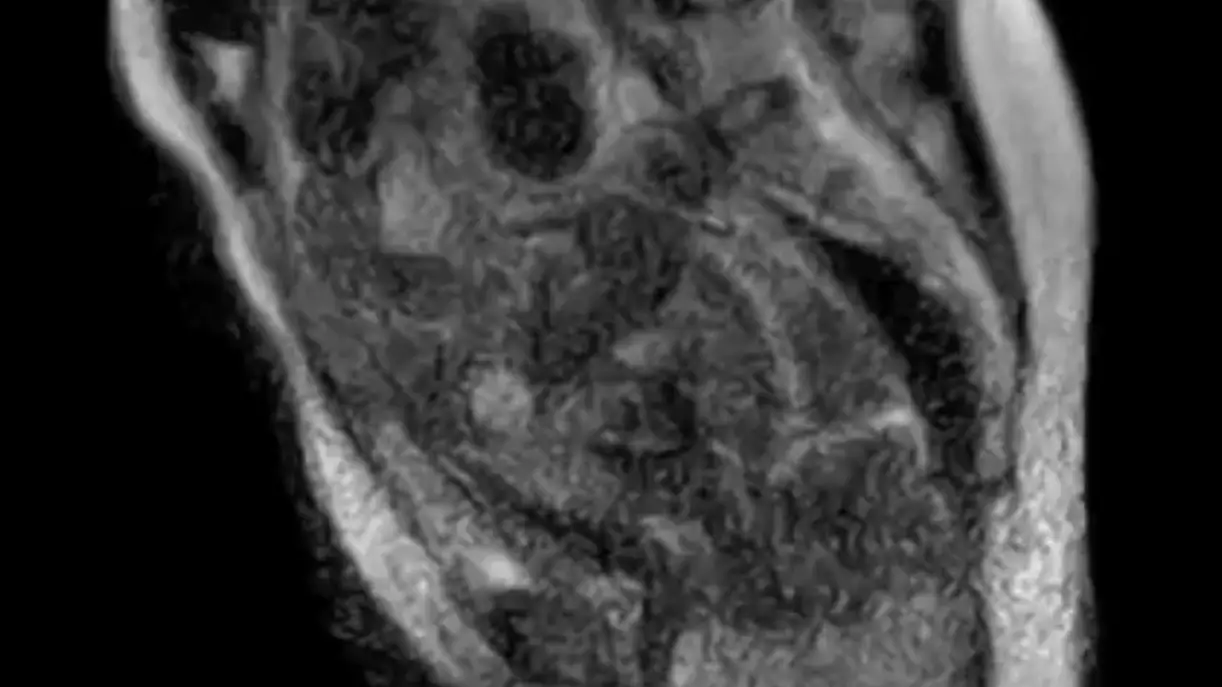
Woman gave birth in MRI machine to show what really happens to body

A video of a woman giving birth in an MRI machine has resurfaced over 15 years later as viewers online have become intrigued.
Originally released as part of a study carried out in 2010, the first video of the labour was shared in November that year.
The team, which was led by Christian Bamberg, M.D., published their results as part of their 'Human birth observed in real-time open magnetic resonance imaging' paper.
It would be published in the American Journal of Obstetrics & Gynecology in 2012, but this notably wasn't the first in-depth analysis of a biological process through an MRI.
Advert
Back in 1991, a couple became the subject of a study examining what two people having sex inside an MRI machine looked like.
Ida Sabelis and her boyfriend Jupp adopted the spooning position and did the deed, with their friend, Dutch scientist Menko Victor ‘Pek’ van Andel, looking to find out what really happens in our bodies during the process.
The resulting photos headlined science-related news upon its release, with both adults coming out without any accidents occurring.
Following this success, Pek continued his research with a further eight couples and three single women having sex inside an MRI machine 13 more times, this time in the missionary position.
While he was faced with questions about why the woman's bladder seemed to fill up during the deed, his work was deemed a success.
Moving on to what happens nine months after sex, the final 45 minutes of a woman giving birth was captured and sped up as part of a 25-second video, which was made through a number of MRI images taken in the same section of her body.
German researchers from the Charité University Hospital in Berlin carried out what was a medical first, giving us an insight to the inside of a woman's body during labour.
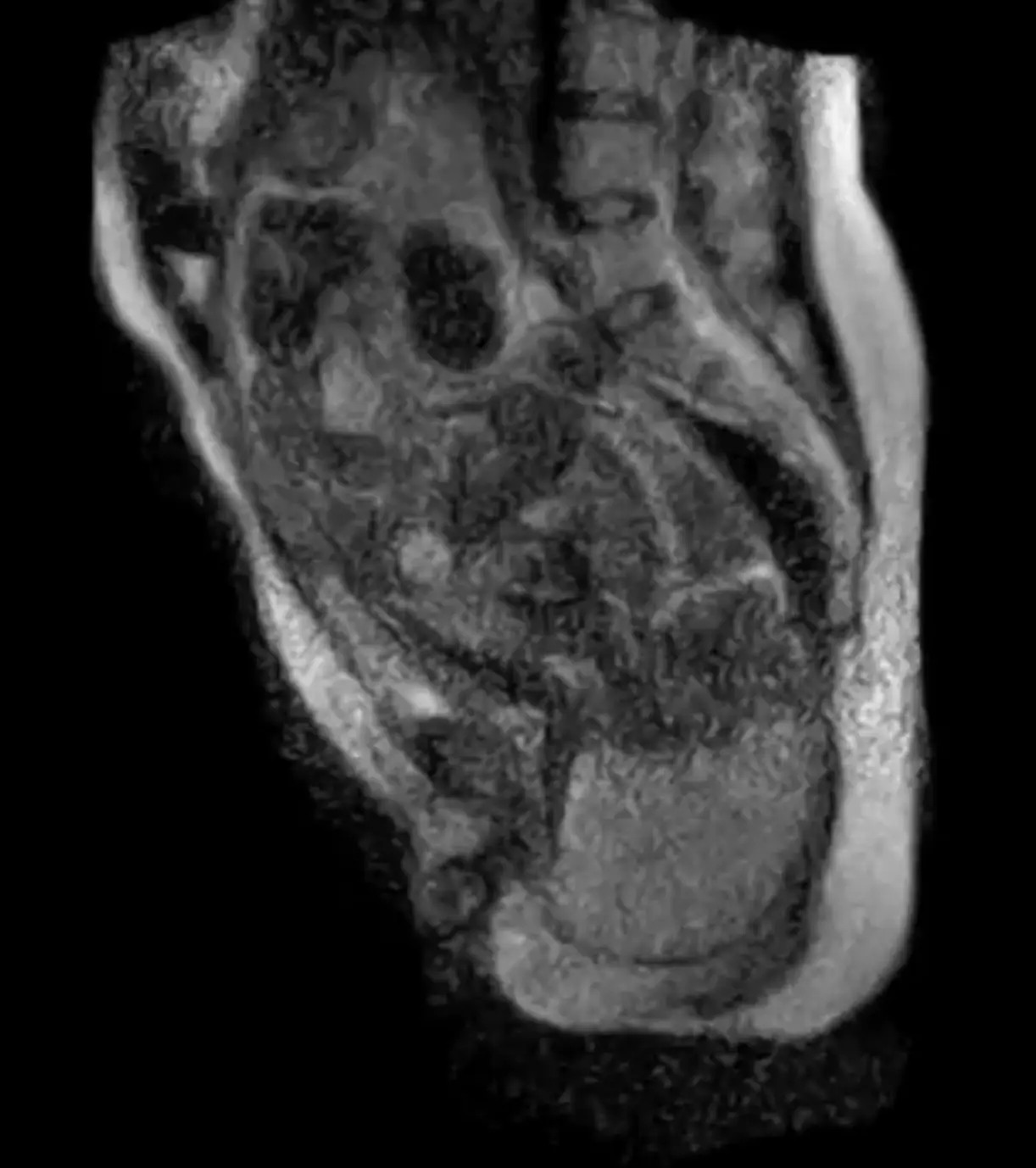
Footage of the birth reveals the exact position of a foetus and its movement through the birth canal, which gave health experts more of an insight into the process.
Speaking in their study, researchers at the time explained: "Knowledge about the mechanism of labour is based on assumptions and radiographic studies performed decades ago."
The short video shows the mother's final push and the baby's head crowning, with the movement of the mum's organs helping to guide doctors during harder deliveries.
Dr Marjorie Greenfield, division chief of general obstetrics and gynaecology at University Hospitals Case Medical Center in Cleveland, spoke to ABC News about how it can help doctors, midwives and nurses understand the process better.
"For the vast majority of women, letting nature take its course is a pretty good way to give birth," she said in 2012, adding: "But it's interesting to find ways to understand it better. And if this helps us learn ways to avoid Cesarean section and have babies come out vaginally, there could be some benefit."
Calling the movie 'fascinating', the expert also gave credit to the mum for being 'generous' and being 'willing to support science' with what is usually a private moment.
 Joshua Nair