Argentina’s expected punishment under FIFA rules for Falkland Islands banner against England

A provocative banner held aloft by Argentina after beating England at the World Cup could lead to sanctions from FIFA, as UK prime minister Keir Starmer demanded an investigation.
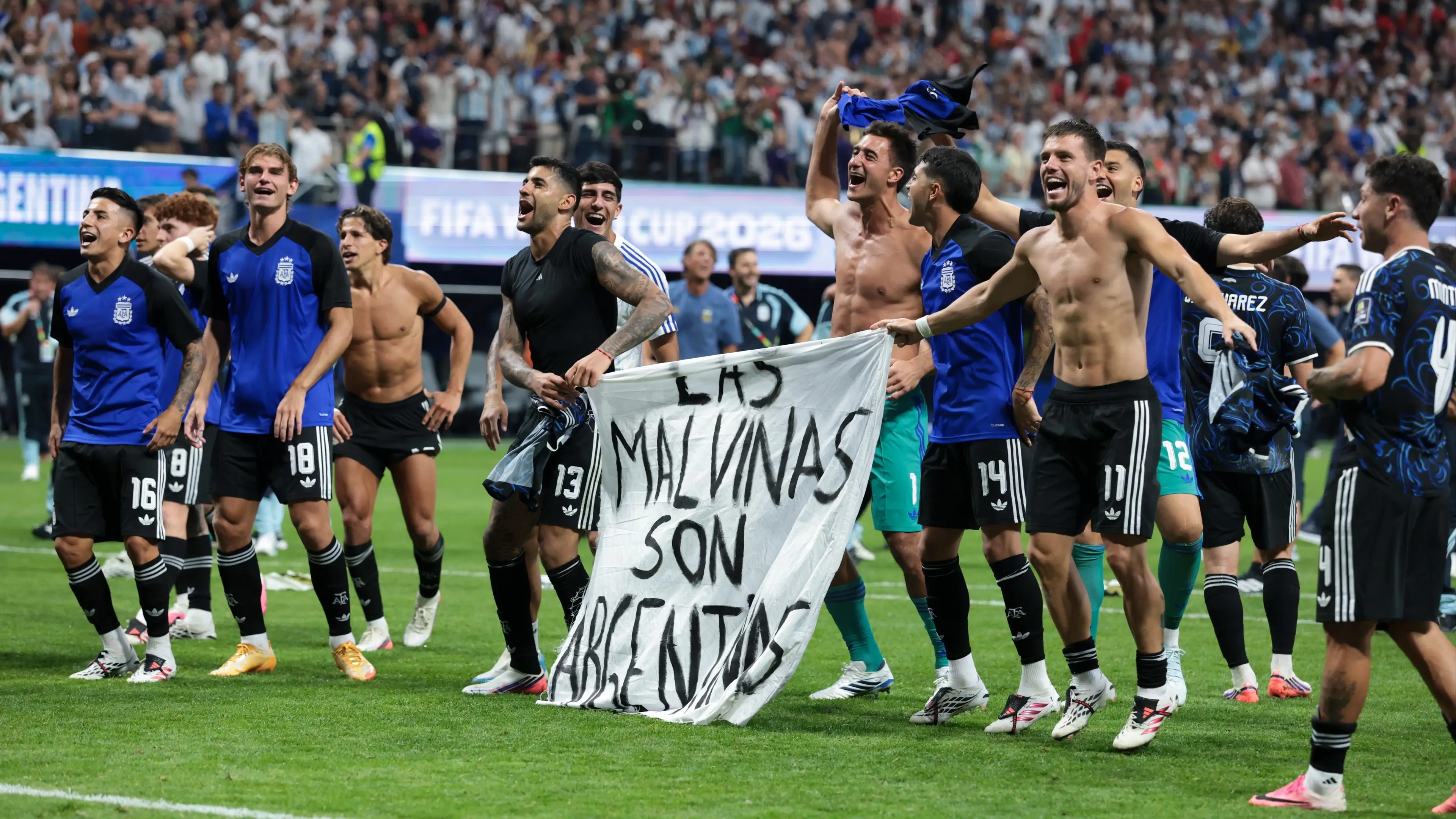
Many Argentinian fans brought signs to the World Cup semi-final match saying 'las Malvinas son Argentinas', meaning 'the Falkland Islands are Argentinian'.
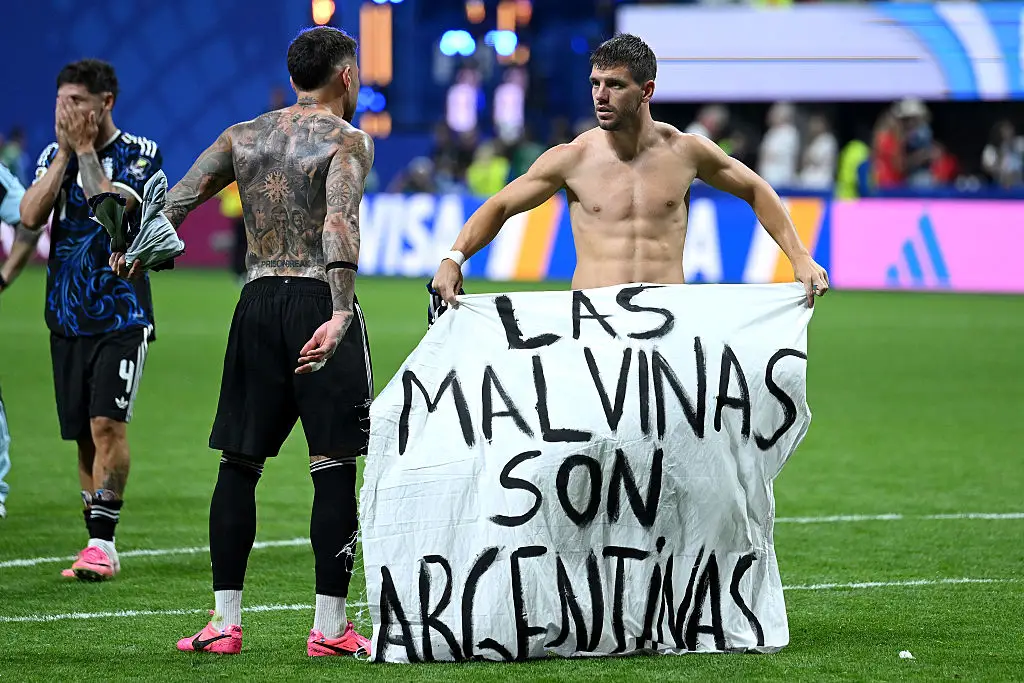
However, the controversy occurred when several of the players on the Argentinian team grabbed a banner with the slogan on and held it up on the pitch after the match.
It came after they vowed to win the match 'for the Malvinas' in their dressing room following their quarter-final win.
Advert
The incident has reignited old tensions between the UK and Argentina, as many have felt it is disrespectful to the memories of people killed in the Falklands War.
Starmer's spokesperson told the Press Association: "The World Cup might not be ours, but the Falkland Islands definitely are. Our position is unchanged. Self-determination rests with the islanders and our commitment to the Falklands will never waver."
Starmer said disciplinary action is a 'matter for FIFA', but supported calls for them to investigate.
FIFA has rules in place concerning players displaying political messaging while on the pitch, whether this is through their actions or through wearing political symbols while playing.
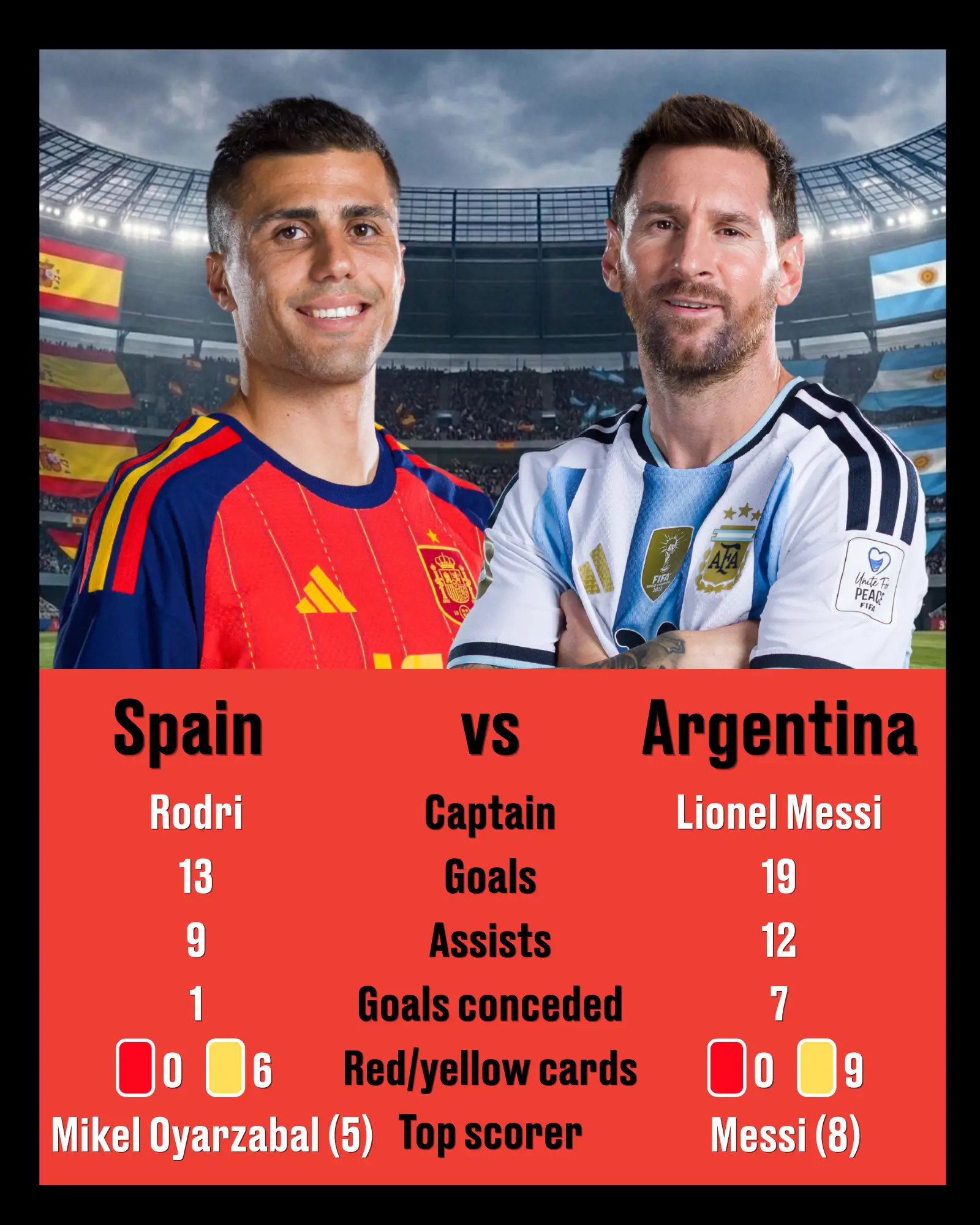
There is also a precedent for football's governing bodies to suspend players for breaching these rules, for example UEFA suspending Álvaro Morata and Rodri for one match after they led chants of 'Gibraltar is Spanish' after a match, ruling that their behaviour contravened 'basic rules of decent conduct'.
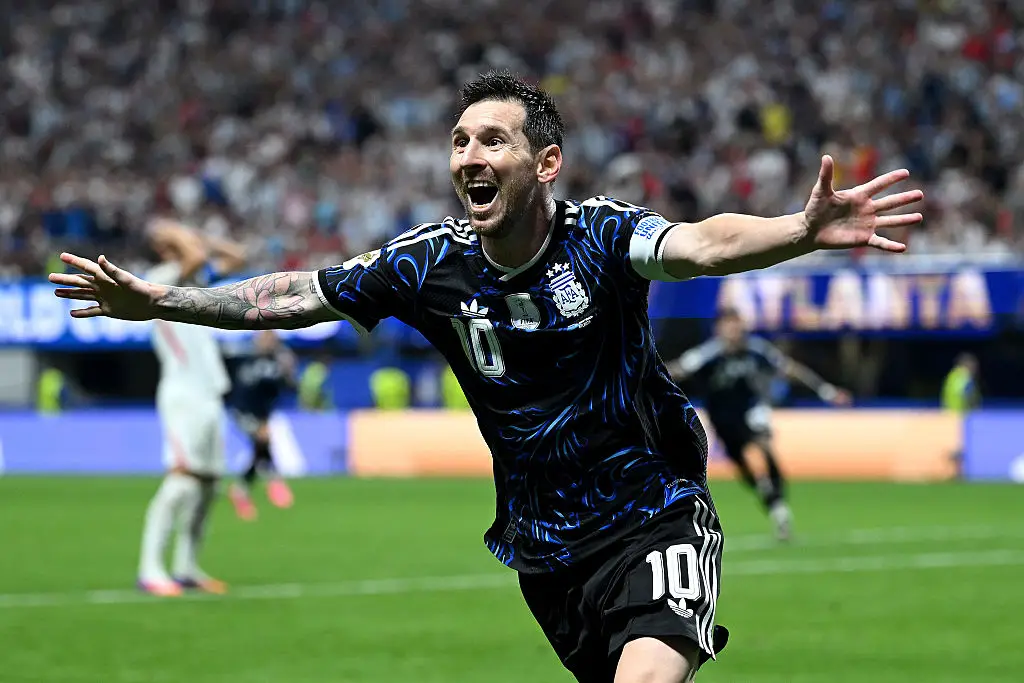
But others are even calling for FIFA to come down even harder on Argentina after the incident, even claiming that the team should be disqualified from the World Cup final.
While FIFA does theoretically have the power to bar a team from competing for severe or repeated rules breaches, it is extremely unlikely to the point of being practically impossible that Argentina will be disqualified.
So what consequences might the team face as a result of the controversial incident?
FIFA's disciplinary code indicates that the majority of incidents such as this which involve political gestures result in a financial penalty, and not a sanction relating to the sport or competition.
So the most likely outcome is a fine, as well as the possibility of a warning for future conduct of this nature in the sport.
The Argentinian side have actually done the same thing before during a friendly with Slovenia in 2014, again holding up a banner which read 'the Falkland Islands are Argentinian'. They were fined £20,000.
The Argentinian Football Association have also been fined in previous World Cups. In 2018, they were fined around £18,000 over fans' homophobic chants during World Cup qualifying matches, with Chile, Mexico, Peru and Uruguay also fined.
They were also fined £230,000 at the Qatar World Cup after a match had to be abandoned, with Brazil also copping a £500,000 fine.
The Falkland Islands were uninhabited when Europeans first began to explore them, with Britain, France, and Spain all having contesting claims on the islands in the 18th century.
France would withdraw its claim to the islands in 1766, leaving just Britain and Spain with claims, with Spain withdrawing in 1811, leaving Britain in charge of the islands.
When Argentina declared independence from Spain in 1816 the newly formed country took up Spain's claim to the islands, though they remained under British control.
In 1982, Argentina's junta government led by Leopoldo Galtieri launched an invasion of the islands.
However, Britain responded by sending a large naval task force including aircraft carriers and nuclear submarines to the islands.
They launched a campaign including long range bombers, an enormous amphibious assault, and sinking the Argentine warship the General Belgrano, with Argentina surrendering after just 74 days, reasserting British control of the islands.
In 2013 residents of the islands held a referendum on whether to remain British or become part of Argentina, with 99.8 percent, 1,513 people, voting in favour of remaining a British overseas territory, while just three people voted to become part of Argentina.
World Cup winners by year
2022 - Argentina
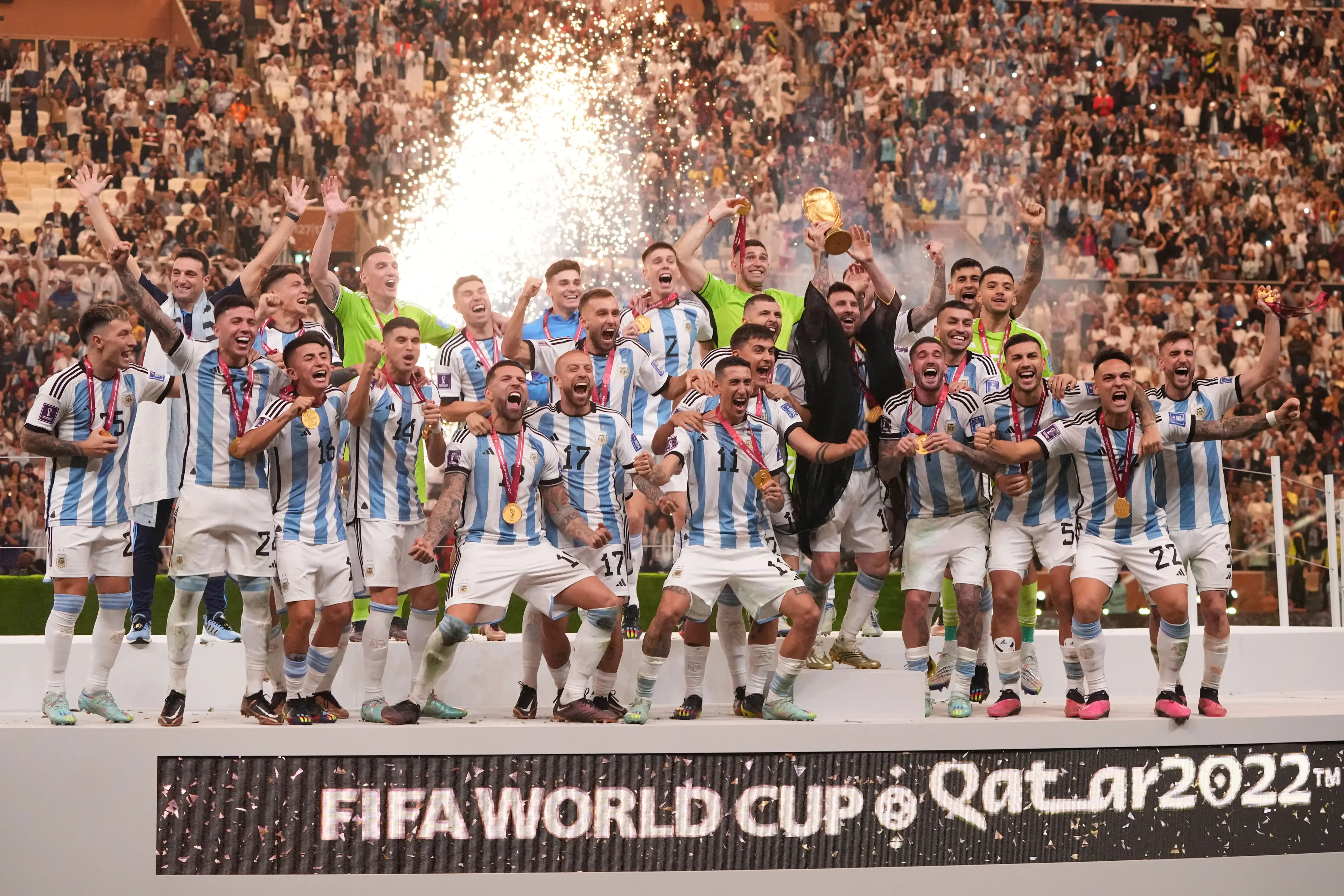
Perhaps one of the most dramatic finals in World Cup history was France vs Argentina at Qatar’s Lusail Stadium in 2022.
Following a tense 3-3 draw after extra time, Argentina were ultimately crowned the champions after beating Didier Deschamps' side 4-2 on penalties.
2018 - France

A stellar performance at Moscow's Luzhniki Stadium in 2018 led to France bagging their second World Cup title, triumphing 4-2 over Croatia.
2014 - Germany
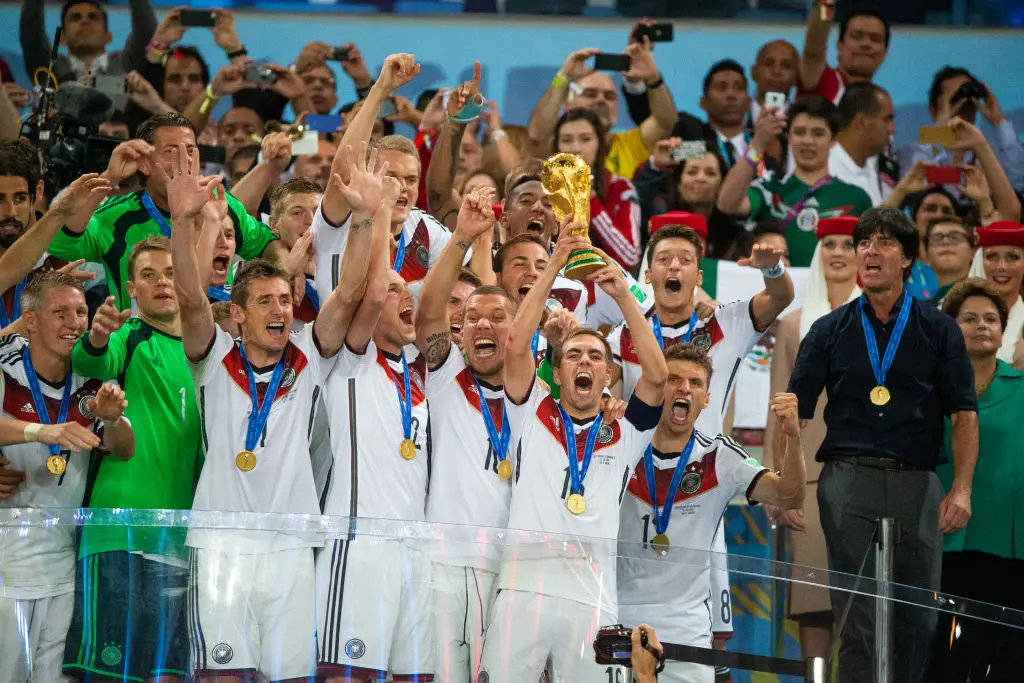
An extra-time goal from Germany’s Mario Götze sealed his team's 1-0 victory over Argentina at the Maracanã Stadium in Rio de Janeiro, Brazil, in 2014.
2010 - Spain
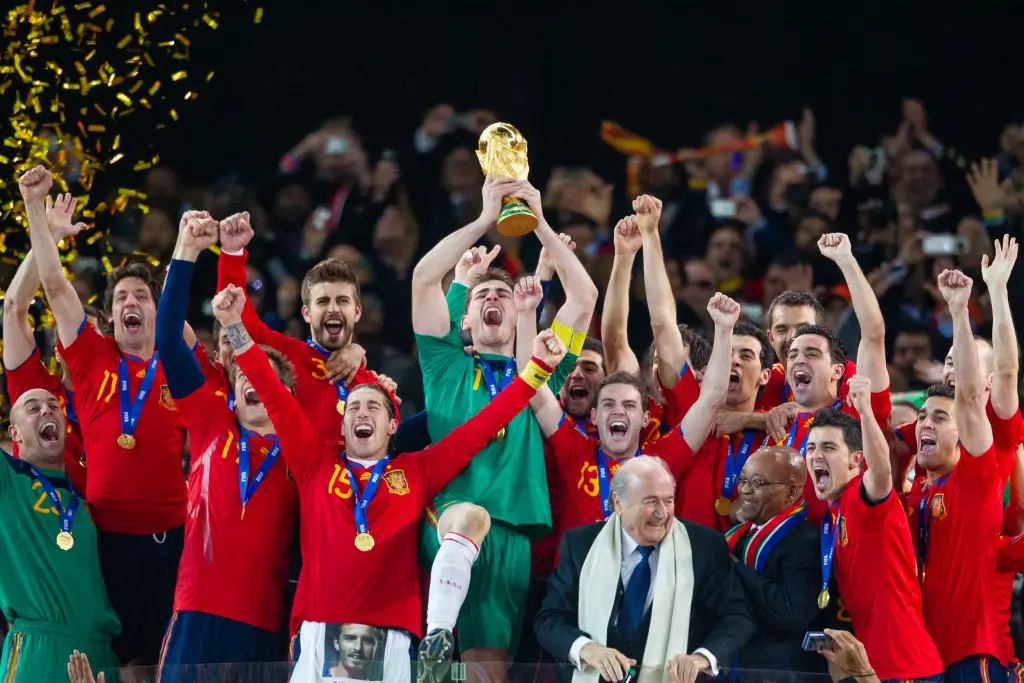
Spain defeated the Netherlands 1-0 in 2010’s final at Soccer City in Johannesburg, South Africa. It was all thanks to a late extra-time goal from midfielder Andrés Iniesta.
2006 - Italy
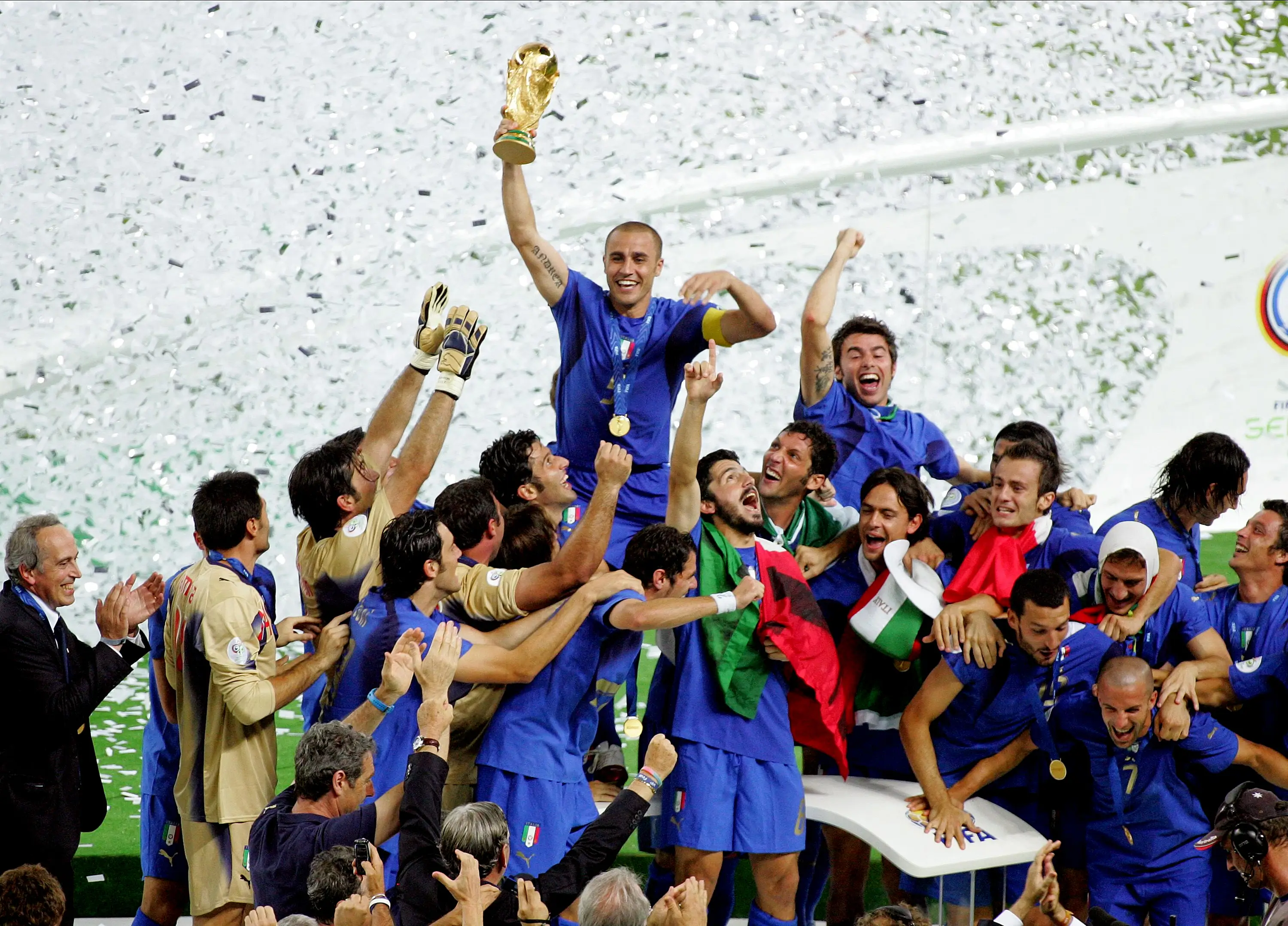
Italy won the 2006 World Cup at Olympiastadion Berlin, Germany, after beating France 5-3 in a dramatic penalty shoot-out following a 1-1 draw at extra time.
- 2002 - Brazil
- 1998 - France
- 1994 - Brazil
- 1990 - West Germany
- 1986 - Argentina
- 1982 - Italy
- 1978 - Argentina
- 1974 - West Germany
- 1970 - Brazil
- 1966 - England
- 1962 - Brazil
- 1958 - Brazil
- 1954 - West Germany
- 1950 - Uruguay
- 1938 - Italy
- 1934 - Italy
- 1930 - Uruguay
 Kit Roberts