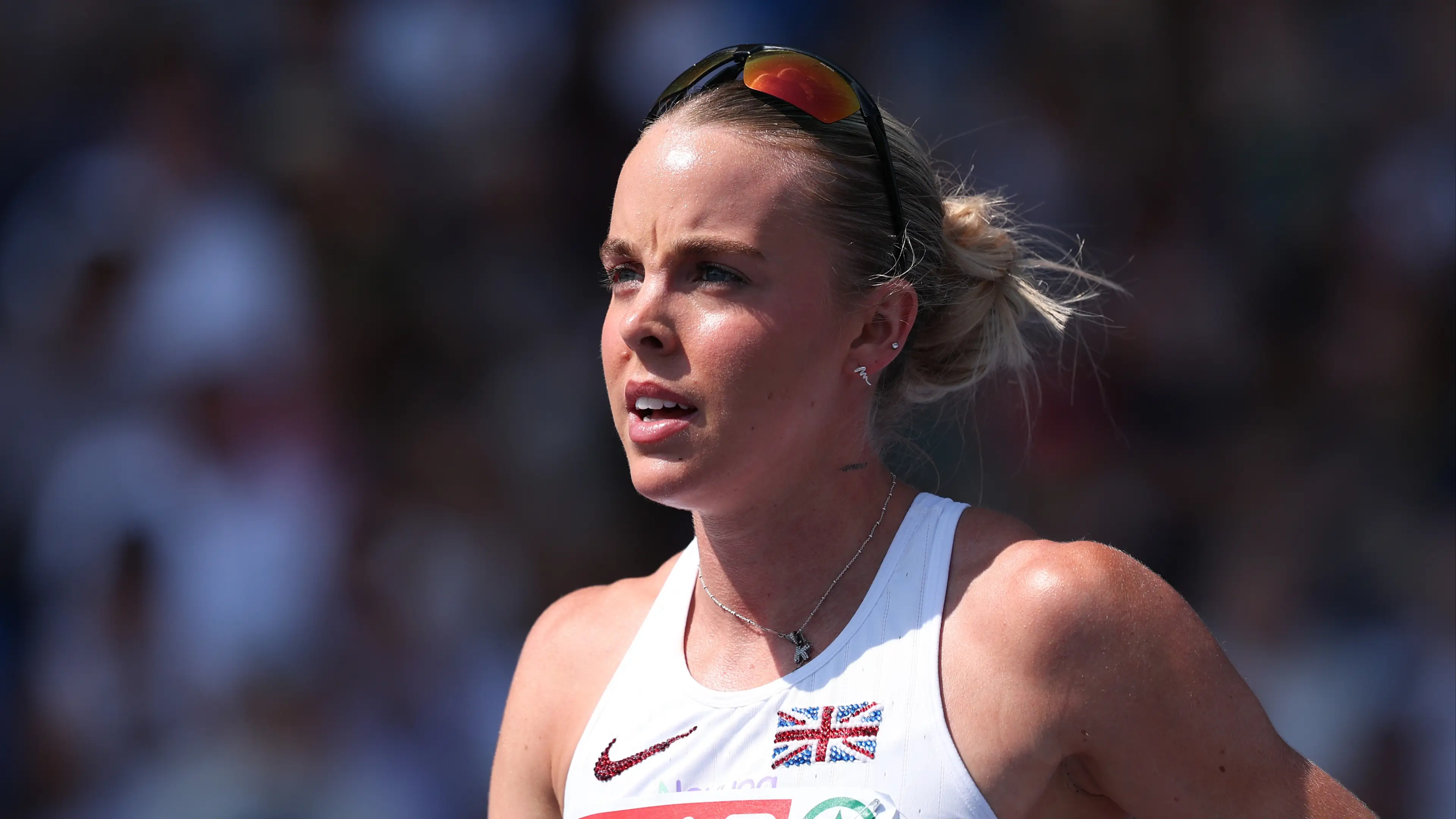
New broadcasting guidelines on 13 angles banned in crackdown on 'sexualising' female athletes come into play

The European Athletic Championships kicked off in Birmingham this week and new broadcasting guidelines came into effect for the first time.
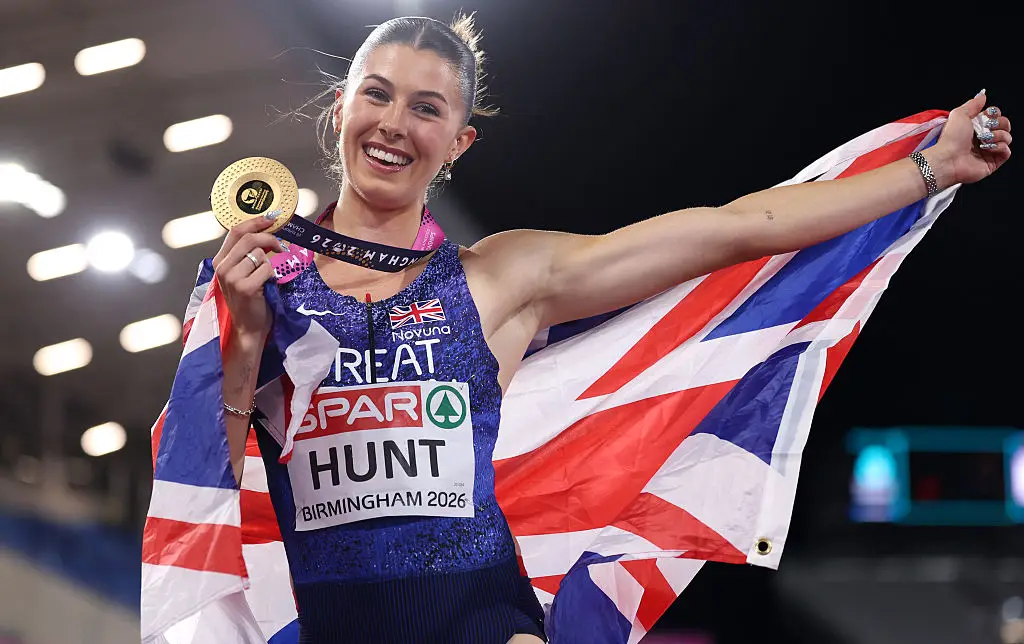
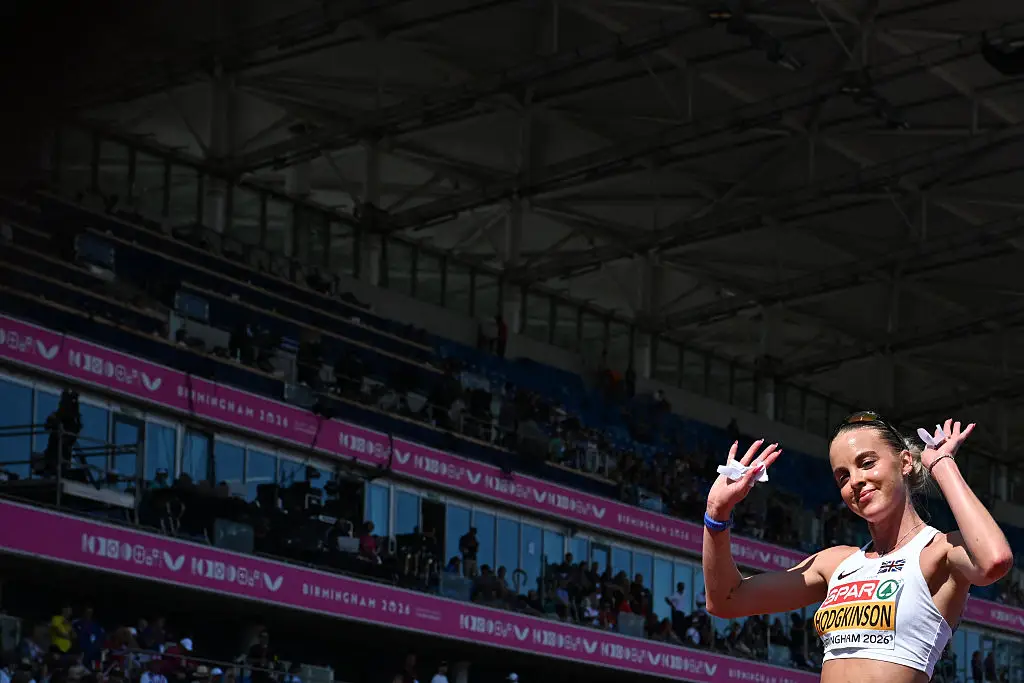
Keely Hodgkinson, Amy Hunt and Dina Asher-Smith are all hoping to add medals to their ever-growing collections throughout the star-studded event, and those watching on television will be doing so from new, respectful angles.
The European Broadcasting Union (EBU) and European Athletics released new guidelines on how women's athletics should be covered on television in July.
The new rules aimed to outlaw certain camera angles which could inadvertently sexualise women's bodies by capturing them in what appear to be revealing and compromising positions.
Advert
Entitled, 'Raising the Bar: Guidelines for respectful media coverage in women's athletics', the 23-page set of guidelines provided a series of illustrations of alternative 'positive' angles which don't zoom in on certain body parts, linger on women bending over in front of the camera of use low angles.
This could be seen in action during the opening days of the championships, which got underway on August 10 and go until the 16th, with footage shared of the event on social media showing female athletes being filmed from the waist upwards as they walked around the track.
What has been said about the new camera angles
The reaction to the guidelines was mixed on social media when they were announced and that remains the case now.
One user on X claimed that the '5000m was a nightmare to follow' and asked the BBC: 'Please can you go back to classic camera angles for the athletics.'
When the guidelines were announced, others posted on the website: "So no more sports just headshots of females probably playing sports," and another added: "Why not give female athletes proper shorts instead?"
However, athletes themselves have been all for the change, specifically hitting back at those claiming they should change their clothing.
Sprinter Amy Hunt, who roared to gold in the 100m on day one in Birmingham, previously said: “It’s definitely a really welcome change to be able to just focus on the sport. "We shouldn’t have to change what we’re wearing in order to feel comfortable. I want to feel fast and powerful. I don’t want to feel in any way like I’m inhibited by my clothing.”
Fellow Team GB star, pole vaulter Holly Bradshaw, also welcomed the change from cameras showing 'zoomed in, showing super slow-motion action replays of athletes in undignified positions.'
She added: "There are so many different angles to be shown of our sport that can highlight how technical and impressive these field events and athletes are.
"I first-hand have received social media abuse and witnessed inappropriate videos online of myself and colleagues when slow-motion content of us competing is captured."
The EBU guidelines
Some examples of inappropriate shots highlighted by the new guidelines include:
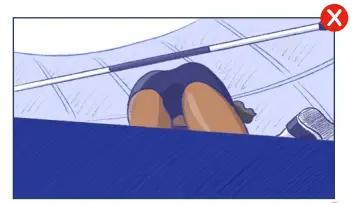
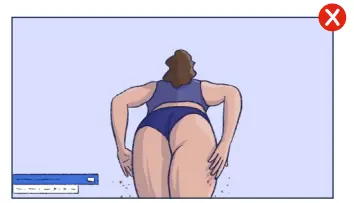
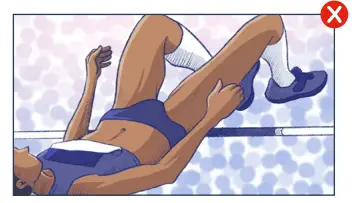
"The sexualization of women athletes through selective camera angles and editing choices continues to be a significant concern across many sports broadcasts," Glen Killane, Executive Director for EBU Sport, said of the guidance.
"Lingering shots on bodies, low-angle cameras that capture revealing views, and excessive slow-motion replays that serve no technical or storytelling purpose are among the issues observed in the media coverage of women’s athletics competitions today."
Team GB lead the medal table after two days of competition, having claimed two gold and two silver medals so far.
 Daniel Murphy