The 13 camera angles banned by TV bosses in crackdown on 'sexualising' female athletes

The European Broadcasting Union (EBU) and European Athletics have released new guidelines on how to cover women's athletics respectfully – and it's already causing a debate on social media.
Titled 'Raising the Bar: Guidelines for respectful media coverage in women's athletics', the guidelines outline how certain camera angles could inadvertently sexualise women's bodies by broadcasting them in what appear to be revealing or compromising positions.
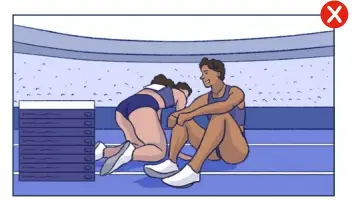
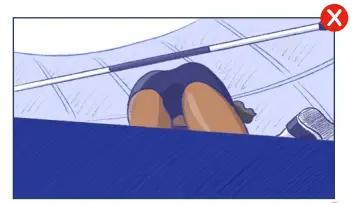
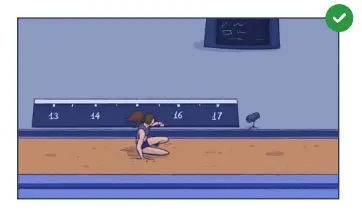
The handout comes with various illustrations depicting what the EBU considers to be 'positive' and 'negative' angles, with the latter including women bent over in front of the camera, using low camera angles and zooming in on body parts.
"The sexualization of women athletes through selective camera angles and editing choices continues to be a significant concern across many sports broadcasts," Glen Killane, Executive Director for EBU Sport, said of the guidance.
Advert
"Lingering shots on bodies, low-angle cameras that capture revealing views, and excessive slow-motion replays that serve no technical or storytelling purpose are among the issues observed in the media coverage of women’s athletics competitions today."
Here are some of the examples of inappropriate shots highlighted by the EBU:
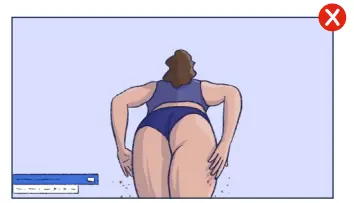
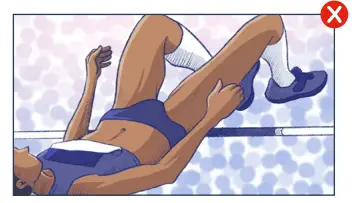
"This is not a list of restrictions. Across high jump, pole vault, horizontal jumps and running events, the report demonstrates how the most compromising shots can be avoided with no loss of storytelling or visual quality," the guidelines added.
Over on social media, there has been a divided reaction, as users questioned whether or not it's possible to avoid compromising shots while still showcasing the sport.
"So no more sports just headshots of females probably playing sports," wrote one person on X, while another added: "Why not give female athletes proper shorts instead?"
"Going to be tough for them to show beach volleyball at Olympics at all," a third person joked on Reddit.
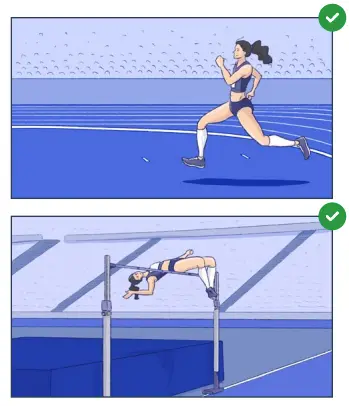
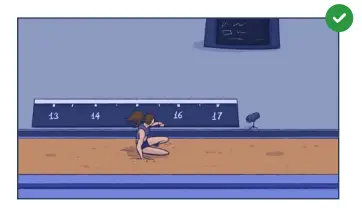
Despite the naysayers online, the move appears to have been broadly accepted by athletes, with Team GB pole vaulter Holly Bradshaw saying there are occasions where cameras are showing 'zoomed in, showing super slow-motion action replays of athletes in undignified positions' instead of technical or educational shots.
"There are so many different angles to be shown of our sport that can highlight how technical and impressive these field events and athletes are," she said.
"I first-hand have received social media abuse and witnessed inappropriate videos online of myself and colleagues when slow-motion content of us competing is captured."
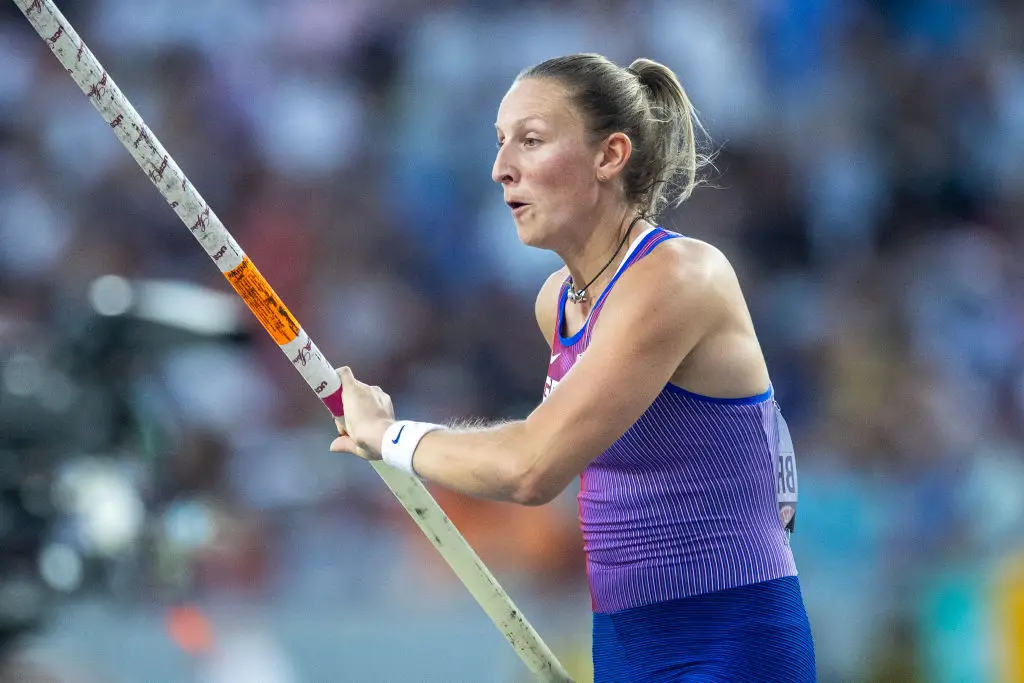
Bradshaw added that educational angles in pole vaulting include: showing the last six steps, stride speed and position at take-off.
"By focusing on these aspects that make up 90% of the jump, rather than just the bar clearance and landing, we not only provide more valuable insight but also naturally eliminate potentially compromising camera angles," she explained.
Meanwhile, Serbian long jumper Ivana Španović added that lingering camera angles can cause 'serious long-term effects on athletes’ mental health'.
"Certain camera angles, combined with gender stereotypes, not only cause discomfort for athletes and unnecessary distractions during competition," Španović explained.
Topics: Sport
 Brenna Cooper