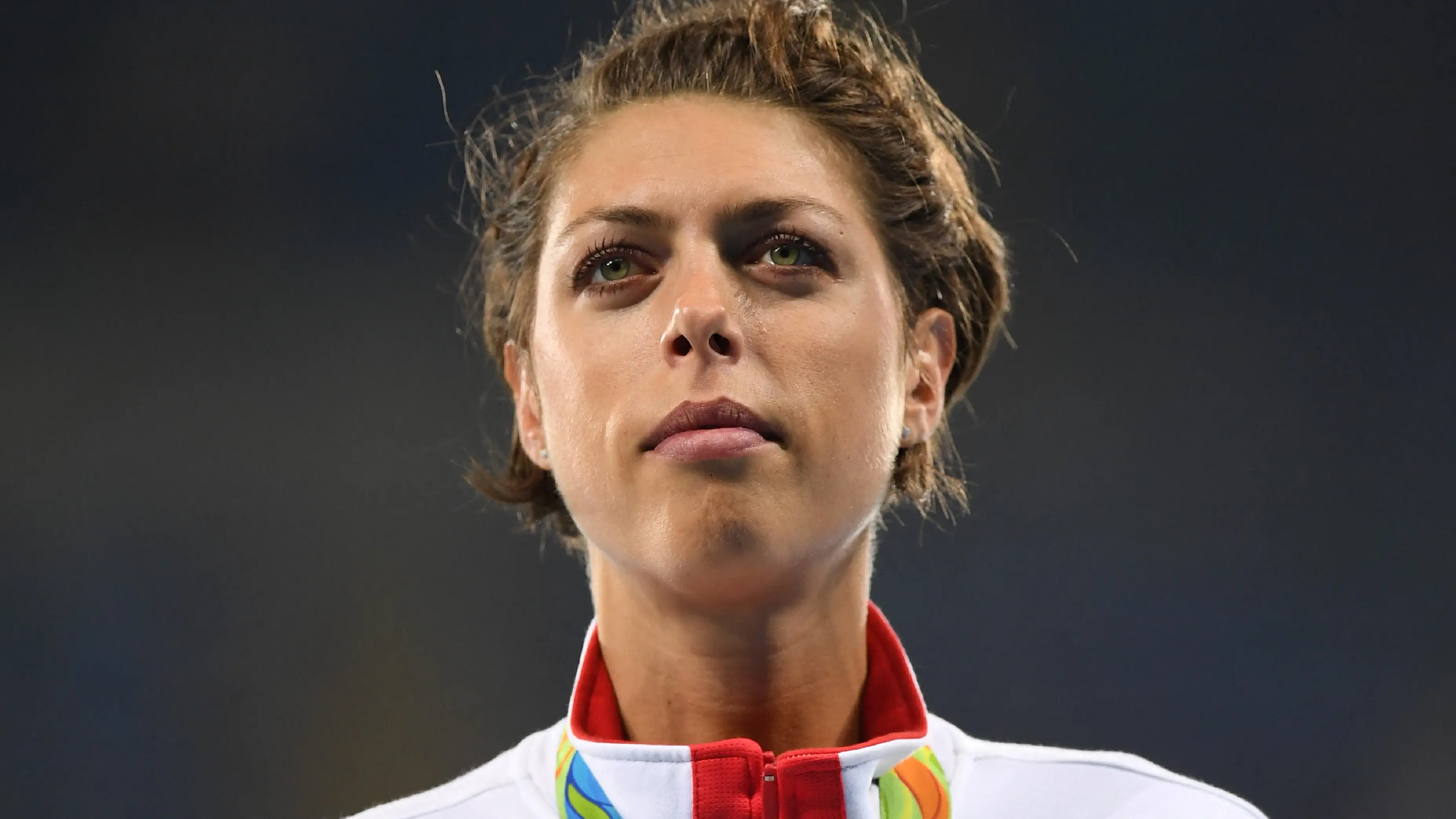
Female Olympian speaks out over banned camera angles in crackdown on ‘sexualising’ athletes

A number of sportswomen have shared their thoughts on the broadcasting standards being 'strengthened' for female athletics events.
Fresh guidelines have been released in a bid to ensure that TV coverage of competitors is 'respectful' and highlights their 'performance and professional dignity' rather than their bodies.
As the European Broadcasting Union (EBU) announced the changes, three world-class sports stars have revealed what they think of more than a dozen different camera angles being banned.
Camera operators will have to brush up on the new rules which are being brought in, which are hoped to put a stop to the 'sexualisation of women athletes through selective camera angles and editing choices'.
Advert
The executive director of EBU Sport, Glen Killane, explained there are still 'significant concern across many sports broadcasts' when athletes are participating in events.
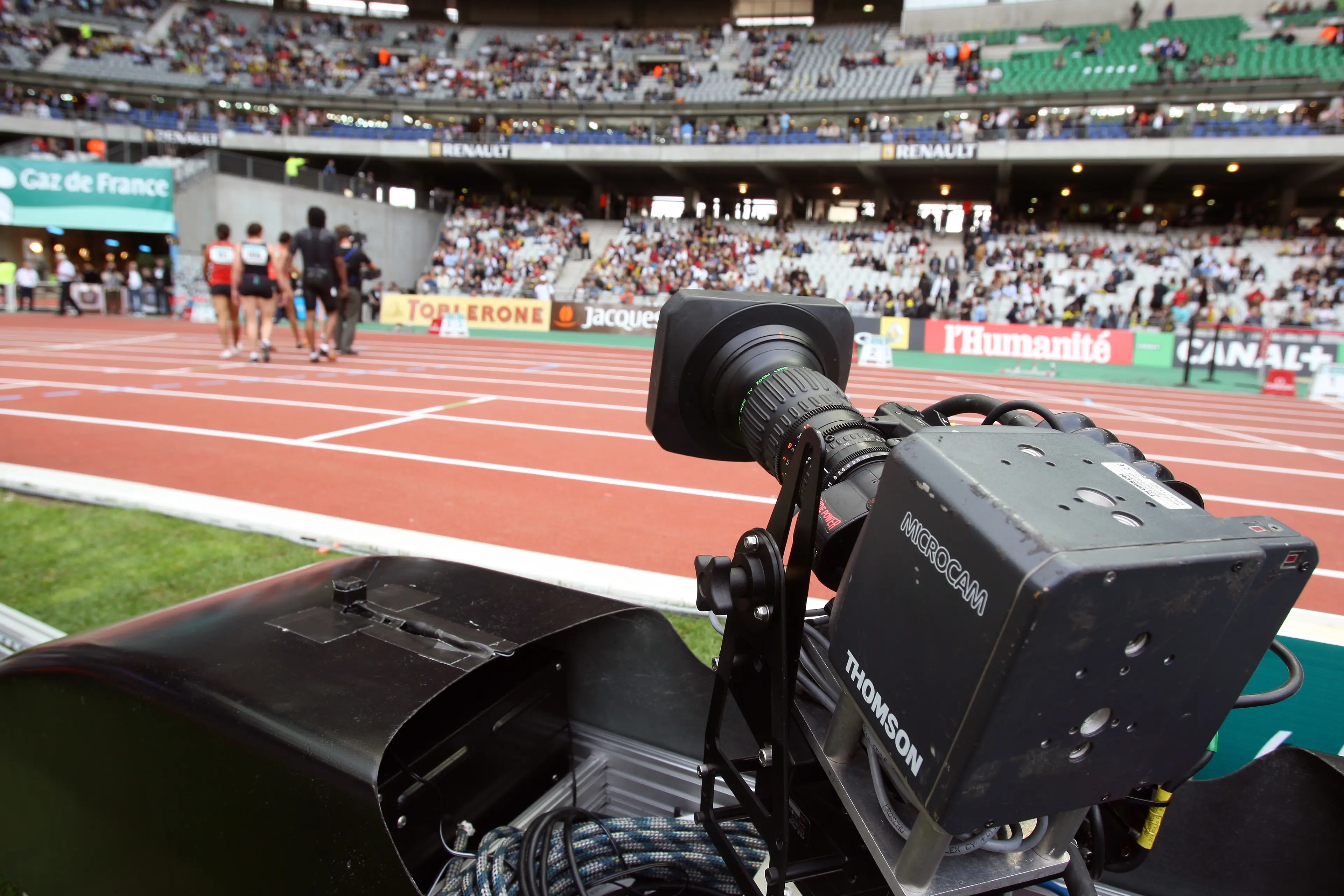
Detailing some of the issues with the pre-existing production practices, Killane said: "Lingering shots on bodies, low-angle cameras that capture revealing views, and excessive slow-motion replays that serve no technical or storytelling purpose are among the issues observed in the media coverage of women’s athletics competitions today. These choices carry profound implications.
"They shape audience perception by diverting attention from the remarkable achievements and technical skills of women athletes, and risk perpetuating harmful stereotypes."
Killane said this has 'far-reaching consequences' for the female competitors who fall victim to this, which is why the EBU closely consulted with sportswomen when reimagining the broadcasting guidelines.
Athletics stars such as Holly Bradshaw, Ivana Spanovic, and Blanka Vlasic each helped brainstorm the best way to avoid camera angles that 'sexualise' their bodies without compromising the coverage of their sporting talents.
'Compromising' camera shots
Killane said hearing their perspectives 'enriched' the EBU's understanding of how it makes women feel when the spotlight is taken from their 'skill, strength, and dedication' and instead placed on their physical form.
Blanka Vlašić is a high jumper from Croatia who has competed at some of the world's most prestigious athletics events, so she's well aware of how certain camera angles can be more revealing than others.
The 42-year-old, who bagged a silver Olympic medal at the Beijing Games in 2008 and a bronze at the 2016 Rio Olympics, suggested certain shots can be 'educational' for viewers and sports fans, while some are simply demeaning.
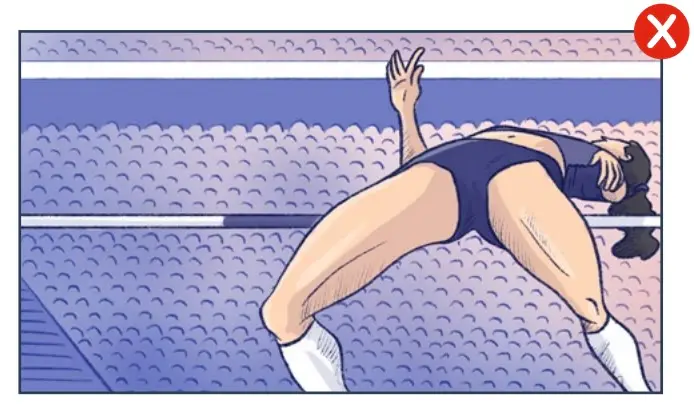
The cameras in closest proximity to high jump competitors can capture footage 'showing the run-up and jump over the bar' with a wide angle - but low camera angles 'underneath the athlete have a high chance of generating compromising images', the EBU say.
While the athletes are concentrating on trying to clear the horizontal bar at a great height, there are some angles that broadcasters should favour to ensure the coverage of high jump events is respectful.
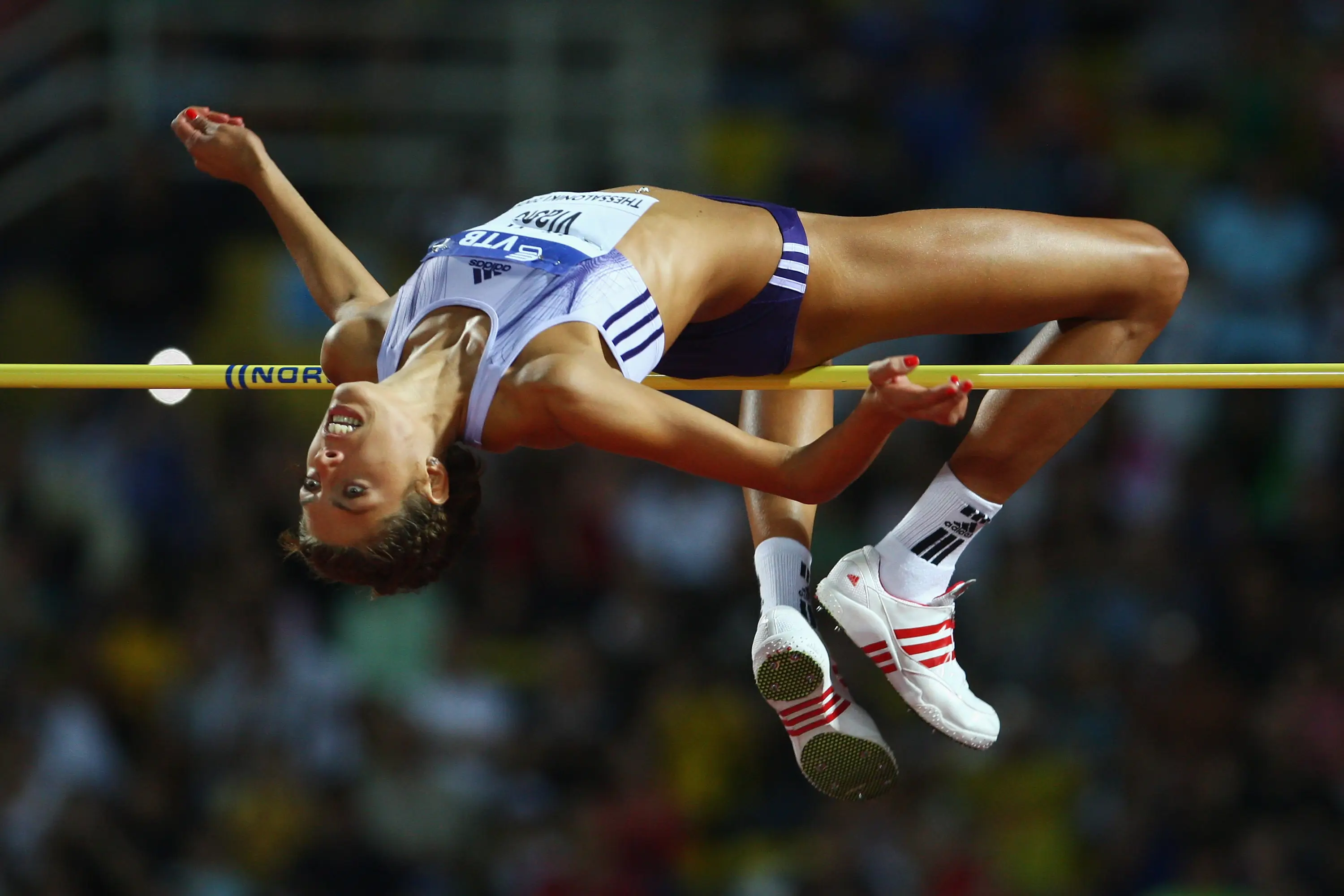
For example, the EBU's new guidelines explain that 'zooming in or using slow motion of the athlete going over the bar diminishes technical insight and increases the risk of compromised images'.
"By zooming in, you not only risk compromising the images, but the angle does not provide any insightful view for either the audience or the commentator," it goes on.
"If wider replays are employed, it is advisable to cut off the replay before they touch down."
What female athletes think
Explaining why she believes the positioning of the cameras is so important, Vlašić explained: "In high jump, the position over the bar is a direct result of the run-up.
"Success depends on having the right rhythm, maintaining high hip position during running and take-off, running the bend properly, and launching from an ideal distance.
"For educational coverage, Camera 1 and Camera 3 are excellent for showcasing running technique, while Camera 5 can capture the critical body position in the final steps - where the jumper must tilt toward the mat to harness the centrifugal force that makes successful jumps possible.
"It’s essential for viewers to understand why we run the way we do, and and why properly running the bend in the second part of the run up is so crucial to performance."
Pole vaulter Holly Bradshaw, who made history when she bagged a bronze for Team GB at the 2020 Summer Olympics in Tokyo, explained that being conscious of the potential bad angles can throw athletes off their game.
She also claimed to be the victim of trolling on social media after footage of her competing was widely shared online.
Although Bradshaw, 34, believes live broadcasts can be 'incredibly powerful', she also thinks they can be 'harmful' to the women competing as well as the ones watching from home.
"I first-hand have received social media abuse and witnessed inappropriate videos online of myself and colleagues when slow-motion content of us competing is captured," she said.
"Athletes want to enjoy themselves doing the sport they love without feeling uncomfortable or anxious about the footage being shown live.
"Many athletes, myself included have been in competitive scenarios where they are more focused on the cameras instead of their own performance.
"There are so many different angles to be shown of our sport that can highlight how technical and impressive these field events and athletes are, however on too many occasions cameras are zoomed in, showing super slow-motion action replays of athletes in undignified positions."
'Long-term effects on mental health'
Serbian long jumper Ivana Španovi has also welcomed the refreshed guidelines issued by the EBU as she believes there are 'long-term' ramifications for female athletes broadcast in an improper way.
"Certain camera angles, combined with gender stereotypes, not only cause discomfort for athletes and unnecessary distractions during competition but how it is broadcasted can also have serious long-term effects on athlete’s mental health, sometime even the position of the camera is not in the right place and can cause risk of injuries during warm-up etc," the Olympic bronze medal winner said.
"As members of the global athletics community, we share a responsibility to present our sport in a way that engages, informs, and uplifts.
"By focusing on the skill and strength of the sport, we can create a more respectful and inspiring viewing experience. Commentators also play a crucial role in enriching broadcasts by highlighting athletes’ performances, strengthening audience connections, educating and motivating the next generation.
"We look forward to working together to elevate athletics broadcasts - ensuring they respect athletes while inspiring and engaging fans around the world."
 Olivia Burke