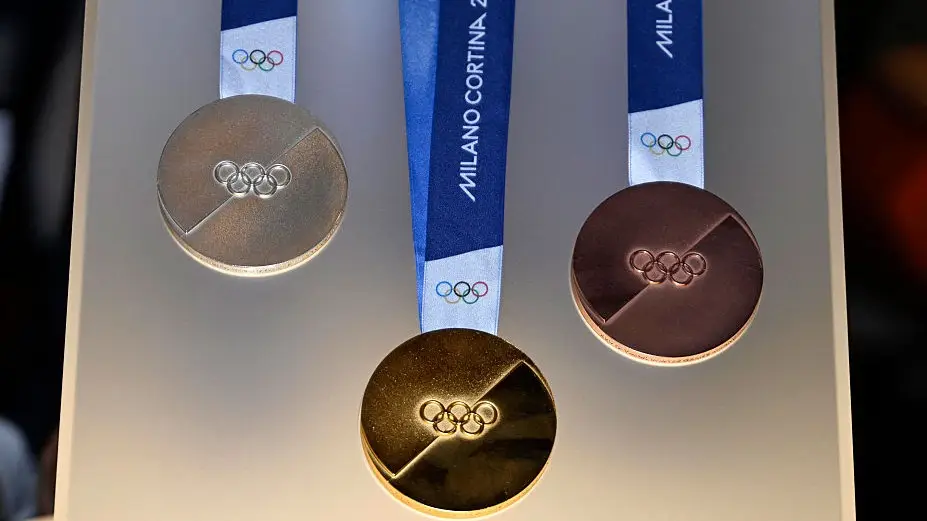
This year's Winter Olympic medals are the most expensive in history

The medals being doled out at the 2026 Winter Olympics come with a price tag that matches the prestige of being awarded one.
The opening ceremony for the international sporting event, which organisers have promised will be the 'greatest show on Earth', is set to kick off later today (6 February) at Milan's San Siro Stadium.
After this is out of the way, thousands of athletes from more than 90 countries will then start competing for a spot on the podium in the hopes of taking home a medal.
The next 16 days will be filled with plenty of action on the snow and ice - and sports stars might be getting a bit of the other kind of action while they're in Italy too, as the 'anti-sex' beds have apparently been scrapped this year.
Advert
Although athletes from some countries are awarded cash bonuses if they earn a spot on the podium at the Winter Olympics, Brit competitors aren't so lucky.
However, if they do bag a medal for their efforts at the Milan-Cortina Winter Olympics, UK contenders can at least take some solace in the fact that they are the most expensive ones that have ever been awarded.
Due to the soaring price of precious metals, the medals suspended from the necks of winners are worth a lot this year.
The cost of gold and silver hit record highs in recent months, as investors bought into the metals in response to concerns over the geopolitical state of the world, on top of worries about international conflicts and tariffs.
The price of gold jumped above $5,000 (£3,662) an ounce for the first time ever in late January, after a strong rally throughout last year which saw the value of the precious metal rise by more than 60 percent.
Their worth has lessened in recent days though, with silver plunging by nearly 30 percent last Friday (30 January) and gold dwindling by over nine percent - marking its worst one-day drop since 1983.
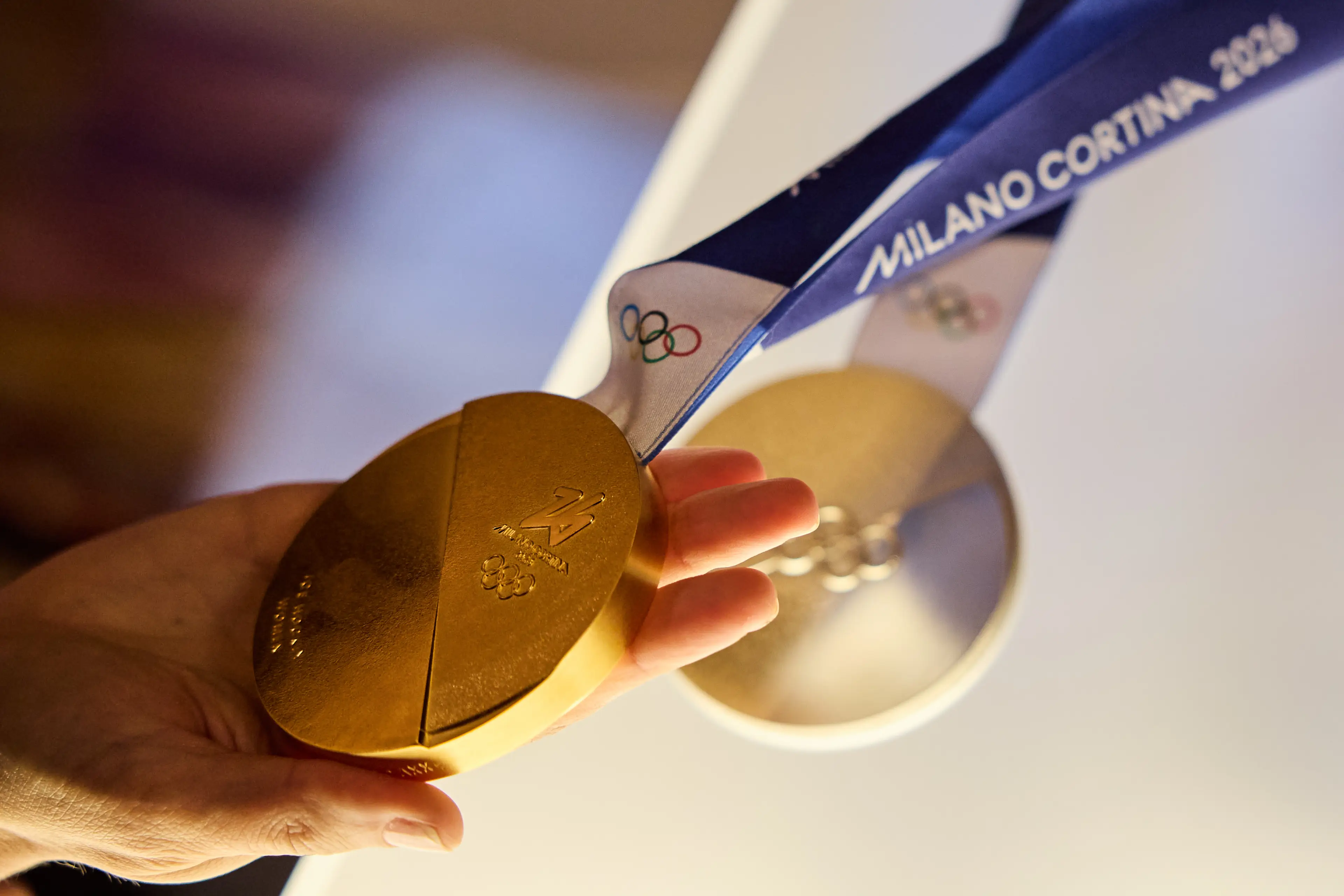
For the 2026 Winter Olympics, the medals have been created by the Italian State Mint and Polygraphic Institute 'using recycled metal recovered from its own production waste'.
Organisers explained: "They will be cast in induction furnaces powered entirely by renewable energy, with eco-friendly packaging made with FSC-certified materials and minimal use of plastics."
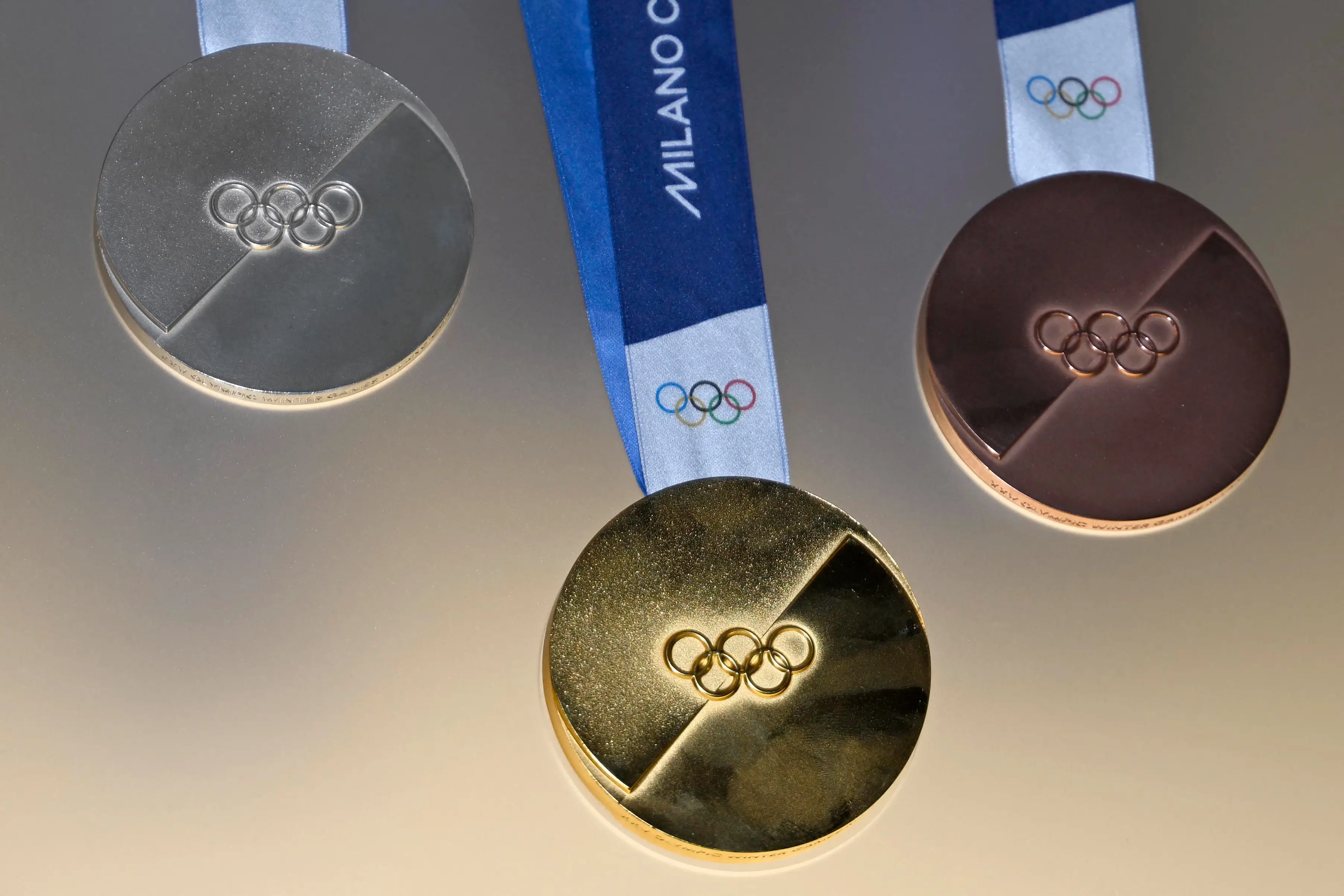
According to CNN, the gold medals will be worth around $2,300 (£1,692) this year - more than twice what they were worth at the 2024 Paris Olympics.
Meanwhile, silver medals have nearly tripled in value from then, and will now reportedly be worth almost $1,400 (£1,030).
This is because the prices of the metals have soared significantly since the Olympic Games were held in France two years ago.
The same can't be said for the bronze medals though, as these are apparently only worth $5.50 (£4.05) this year.
If that doesn't give the athletes some motivation to give their all to get the gold, I don't know what will.
According to the head of commodity strategy at Saxo Bank, Ole Hansen, the medals awarded to Olympic athletes are likely to continue to grow in value in the coming years too.
"I would imagine that the gold and silver medals for the next Summer Olympics (in 2028) will be even more expensive than they are now for the Winter Olympics," he told CNN.
Topics: News, Sport, Winter Olympics, Money
 Olivia Burke