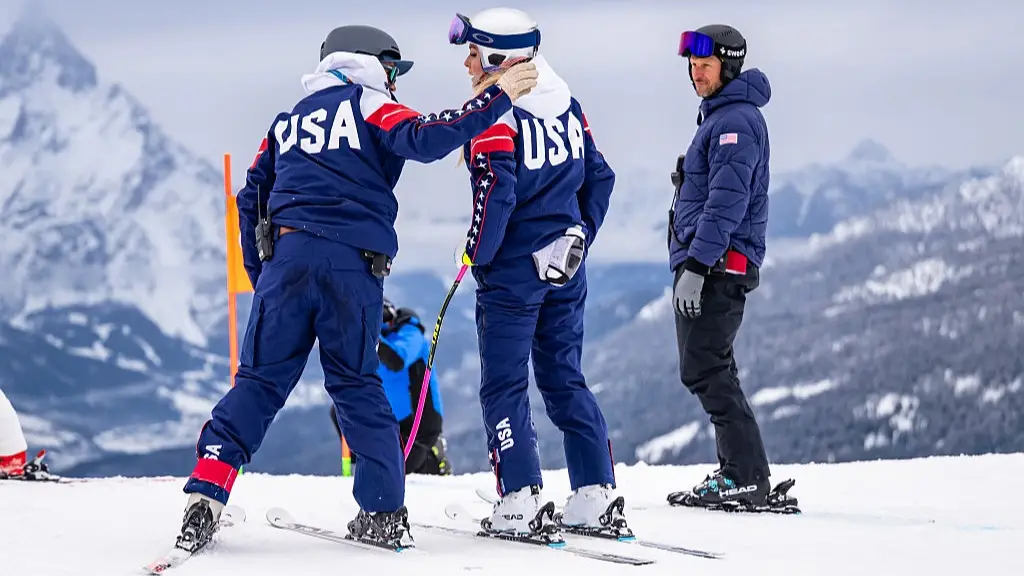
All USA athletes returning home from Winter Olympics with $200,000 after billionaire's gift

This year, US Olympians are set to pocket a hefty sum for competing in the Milan-Cortina Games, regardless of their performance.
Dedicating your life to a sport is one of the most demanding things you can do as a teenager/young adult, with many often going their whole careers without making much money or winning any medals.
It's a cruel reality, but athletes on the US team this winter won't have to worry about the latter aspect.
While this year's medals will be the most expensive in history, one billionaire wants all 232 Olympic athletes on Team USA to go home with something.
Advert
Ross Stevens, the Founder and CEO of Stone Ridge Holdings Group, has donated $100 million to the United States Olympic & Paralympic Committee (USOPC) for the program in 2025. It means that each athlete will receive $200,000 (£147,000) for competing at the 2026 Olympics, making it the largest gift in the organisation's history.
There are several caveats, though.
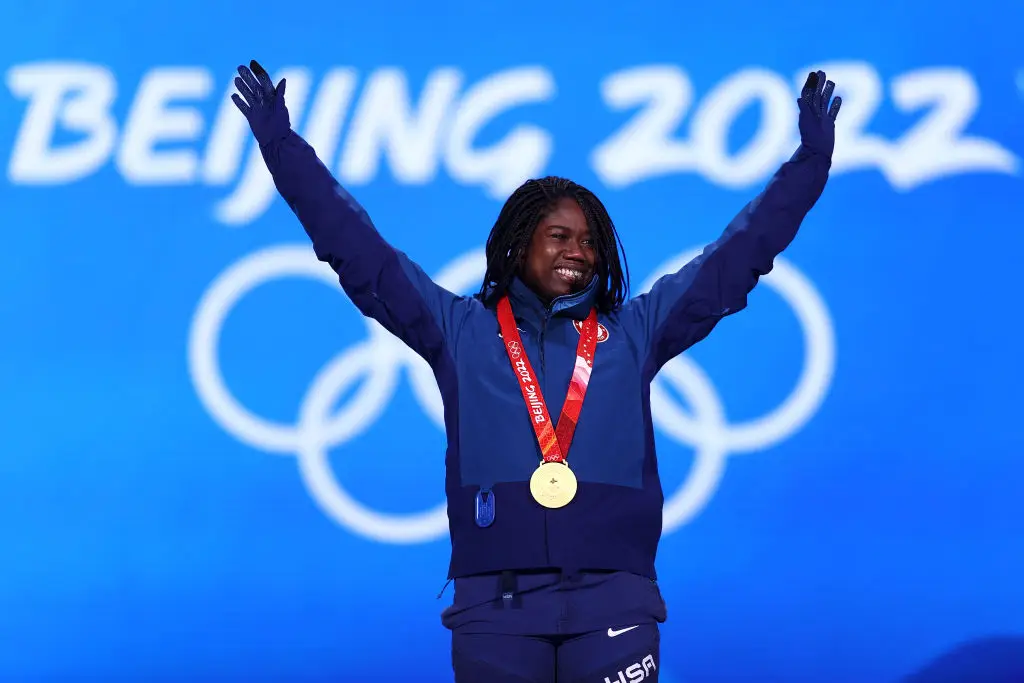
It isn't paid in full upfront, instead with $100,000 being given to athletes either at age 45 or 20 years after their first qualifying Olympic appearance, whichever comes later. The remaining $100,000 will then be given as a guaranteed benefit for their families after they pass away.
Meanwhile, eligible athletes who compete in other games will receive $200,000 per competition.
Stevens said: “The Olympic and Paralympic Games are the ultimate symbol of human excellence. I do not believe that financial insecurity should stop our nation’s elite athletes from breaking through to new frontiers of excellence.”
USOPC is responsible for covering athletes' training costs while awarding medallists $37,500 for gold, $22,500 for silver, and $15,000 for bronze.
The main source of income for elite Olympic athletes is sponsorship, which can often fade after they retire from the sport.
Gene Sykes, Chair of USOPC, said in a statement last year: “These extraordinary individuals have committed their lives to their sport, often at the expense of traditional career paths and financial savings.
“As they approach the end of their competitive journeys - often as young as 25 or 30 - many face a daunting reality: the lack of financial savings to support them and their loved ones in their post-athletic life.”
Financial security for Olympians can be a struggle following retirement, with the story of gold-medallist Lauryn Williams a cautionary tale to many.
She earned $200,000 per year at 20, but by age 30, she was interning for $12 an hour.
Stevens hopes this financial incentive will encourage athletes to compete in more than one Olympics, offering them a $200,000 award for each game they qualify for.
In the long run, this may lead to more medals for Team USA, with 60 per cent of their medals won by athletes who had competed in previous Games. Steven's company, Stone Ridge, is also set to match employee contributions to the Olympic program.
While US athletes will enjoy a financial boost if they make the podium in their respective events, Team GB athletes will not be treated to the same reward if they win a coveted Olympic medal.
Kazakhstan may be the gold standard, though, with any first-placed athletes being entitled to a three-bedroom apartment, while silver medalists get a two-bed, and bronze winners, a one-bed.
The 2026 Winter Olympics begin today (6 February) and end on 22 February.
Topics: Olympics, Winter Olympics, Sport, Money
 Joshua Nair