All rule changes FIFA have made for 2026 World Cup

The second wave of group stage matches at the 2026 World Cup are currently underway – and the new rules enforced by FIFA are already being felt.
Ahead of the tournament, which is hosted across Mexico, Canada and the USA, the governing body brought in a range of rule changes – and we're not just talking about the loathed hydration breaks.
The new rules have altered which teams can advance to the knockout stages, how some red cards are handed out, and a number of ways in which VAR can be used.
There are also changes to rules around players going on and off the pitch, alleged time-wasting and substitutions.
Advert
Here's what you need to know.
No covering of the mouth during a 'confrontation'
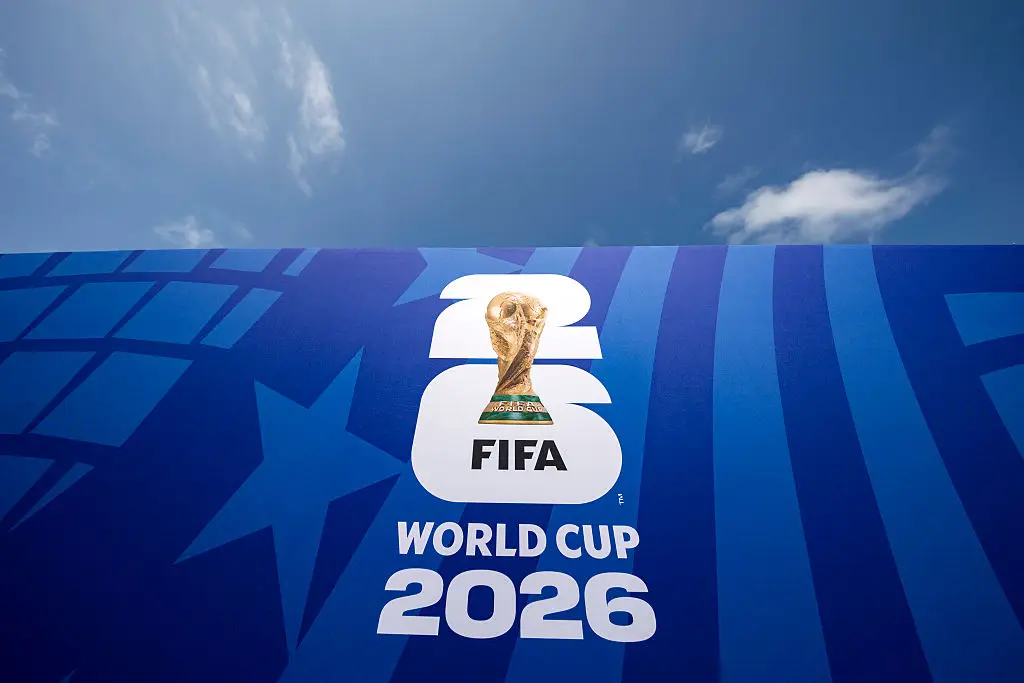
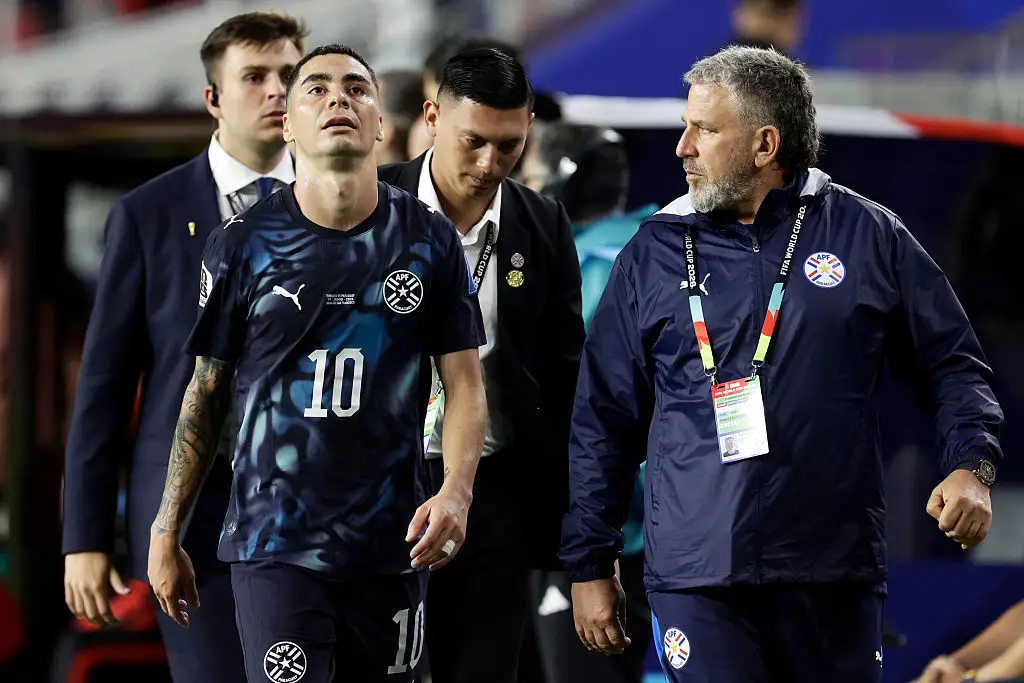
Paraguay were reduced to 10-men during their 1-0 win against Türkiye after former Newcastle winger Miguel Almiron was sent off following an altercation with some of the Turkish players.
Almiron's red card was unique as he was the first player to ever be sent off for covering their mouth during an altercation with another player.
The rule was brought in by FIFA in the aftermath of an incident involving Real Madrid forward Vinicius Junior and Benfica’s Gianluca Prestianni.
During a Champions League clash back in February, Junior alleged that he'd been racially abused by Prestianni, who appeared to make a comment to the Brazilian after covering his mouth.
An investigation later concluded that Prestianni had made a homophobic rather than a racist comment, with the Argentinian receiving a six-match ban for his conduct.
FIFA then implemented the mouth-covering rule to avoid future incidents. An important caveat is that players are still allowed to cover their mouths when players are chatting casually or discussing tactics, but the moment the situation is deemed confrontational, it is a red card.
Changes to group stage rankings
Another major change to the 2026 tournament is that potential tie-breakers in groups are decided by head-to-head records instead of group goal difference.
In previous World Cups, two teams that came level on points would be separated by goal difference, meaning final group rankings weren't usually decided until match day three.
And this rule has already come into effect.
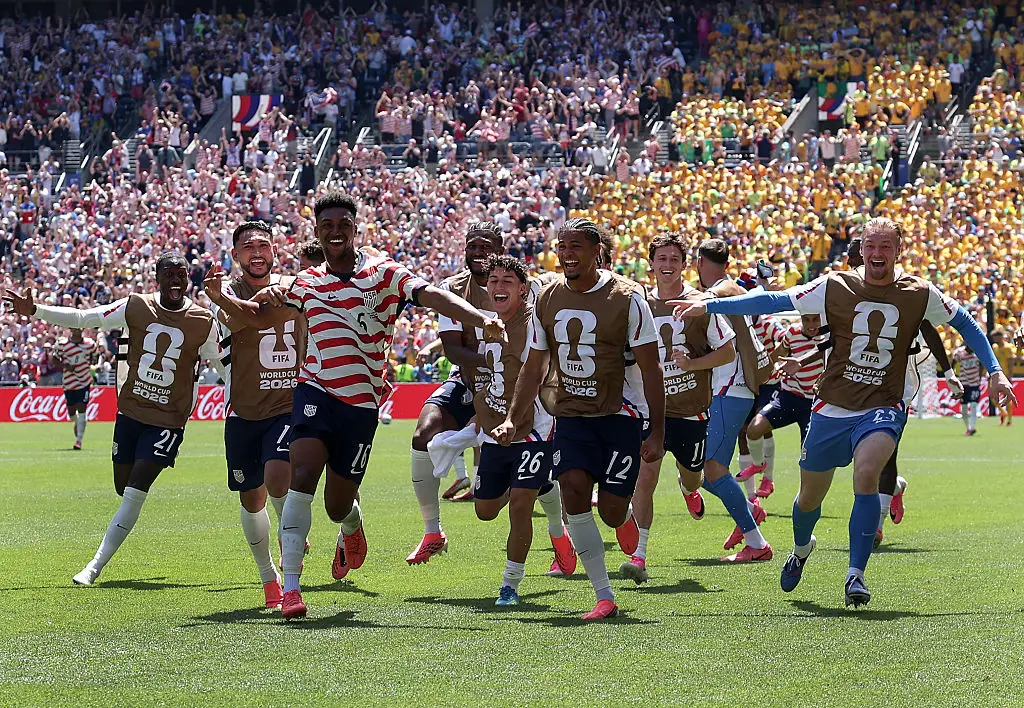
Using Group D as an example, the USA have now topped the group after wins against Paraguay and Australia, despite both teams still being able to finish overall on six points, as the host nation has already beaten both sides.
Similarly, in Group A, South Korea cannot finish in first place if they win their final match, as they have already lost to the group winners, Mexico.
This means that teams can be out of the competition after just two matches, with both Haiti and Türkiye's respective losses against Brazil and Paraguay, meaning they are unable to advance to the knockout stages.
Time wasting
Fed up with watching your team losing 0-1 and feeling like players on the opposing side are deliberately holding onto the ball longer than they should or exaggerating an injury? Then you'll probably like these rule changes.
When it comes to substitutions, players must exit the pitch at the nearest point within 10 seconds. Fail to do this, and the incoming player will be made to wait until the next stoppage before being waved on.
There will also be countdowns for throw-ins and goal kicks, meaning that a player cannot stall by holding onto the ball for more than five seconds.
Should teams fall foul of this rule, then a throw-in or corner will be awarded to the opposing team.
Changes to injury protocol
Should a player need assistance from a physio, they will be expected to stand on the sidelines for a minute, increased from the 30-second break currently used in Premier League matches.
However, there are certain scenarios in which the rule does not apply, such as for goalkeepers and severe injuries.
This will also be implemented across domestic leagues and all competitions from the beginning of next season.
There has also been a clampdown on the so-called 'tactical timeout' where players receive instructions from a manager while a goalkeeper is being treated for injury, with many arguing this is used to disrupt the momentum of the opposition.
Going forward, all players must stay put on the pitch while a goalie receives treatment.
VAR usage
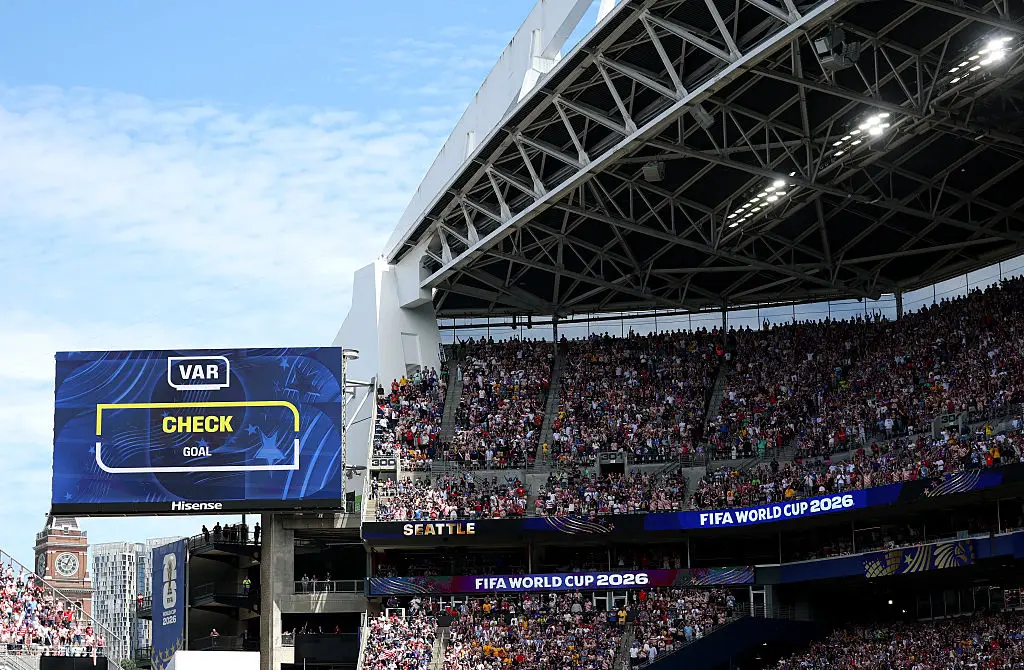
Video Assistant Referee (VAR) usage has also been expanded during the tournament, with officials now allowed to use the technology for the following:
- Checking that a corner is correct
- Checking that a second yellow card is correct
- Players booked for sent off for a foul committed by the oppostition team
- Attacking fouls which happen before the ball is live
 Brenna Cooper