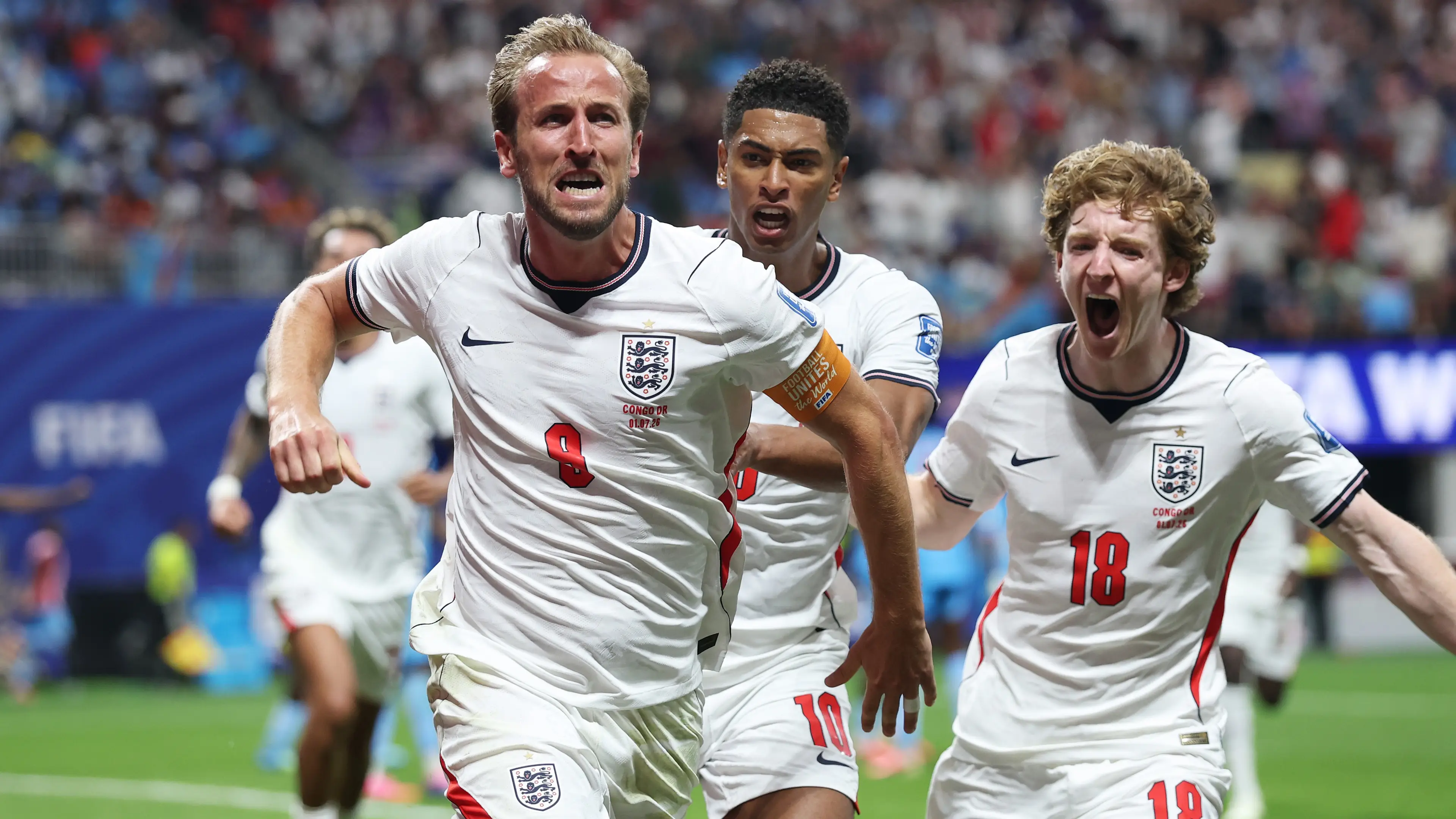
Your legal rights if you're caught calling in sick after 1am England vs Mexico game

Pubs are staying open to the crack of dawn and schools are giving students a lie in for England's late night World Cup clash - but you've still got to get to work on time on Monday (6 July) morning.
Although some normally stringent rules are being relaxed in honour of what is set to be an epic game against Mexico, solicitors have warned Brits to remember 'that football fever does not change employment law'.
So, we've taken the liberty of finding out what consequences you could face if you pull a sickie tomorrow after a few too many.
After a bit of to-ing and fro-ing in regards to the kick-off time, FIFA confirmed that the match would proceed as planned at 1am UK time.
Advert
Considering most of the country have work to attend tomorrow morning, this is obviously less than ideal, as there will likely be a few bleary-eyed Brits rocking up to their place of employment after boozing until the early hours.
A few bosses will probably also receive some phone calls first thing from their employees insisting that they must be coming down with something. That old chestnut.
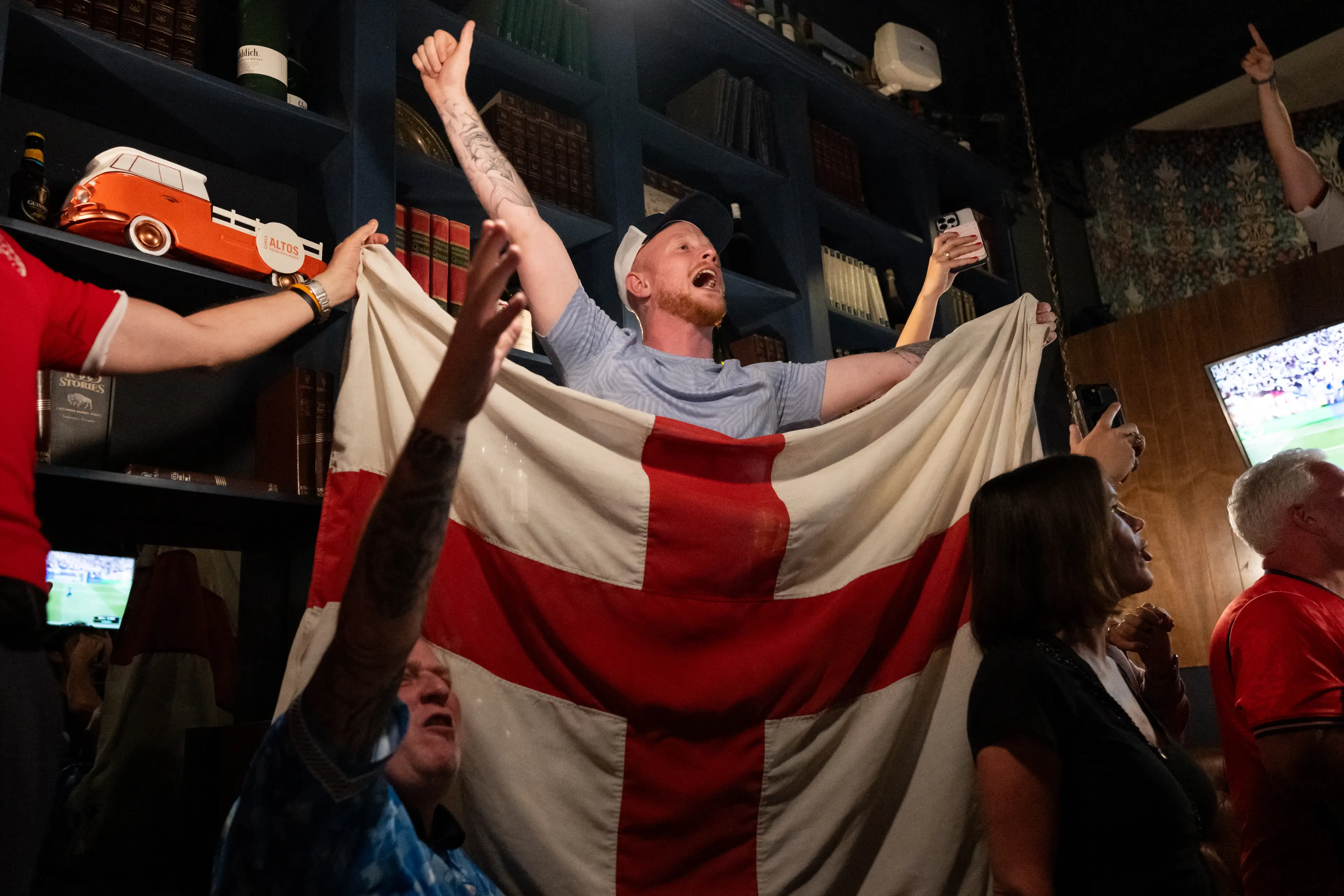
But as employment law expert Peter Byrne points out, you've still got to play by the rules, even if you've stayed up into the small hours to be a part of the pivotal night for the nation.
The principal lawyer at Slater and Gordon, who has nearly 40 years of experience of advising on 'hiring, firing and all the associated issues in between', spoke to LADbible about the repercussions you could face for missing work.
"Major sporting occasions bring the nation together and it's understandable that many fans will want to stay up to watch such an important match," Byrne said.
“While it is fantastic to see some businesses getting into the spirit by offering their teams flexibility or even giving staff time off to enjoy the occasion, it is important to remember that football fever does not change employment law. "Just because a football match kicks off in the early hours, standard workplace procedures remain firmly in place and employees are still expected to attend work as normal, comply with the hours set out in their employment contract and be ready to perform their duties as normal the next day."
If you turn up late, Byrne says you could be at risk of disciplinary action, depending upon your employer's attendance and conduct policies.
"In many cases, this is likely to result in an informal discussion or a verbal or written warning, depending on the circumstances and any previous conduct," the employment law whizz said.
Football fans who fail to report for duty completely are in a similar boat, according to Byrne.
He continued: "If an employee does not attend work at all without prior approval, this would generally be treated as unauthorised absence and may also result in disciplinary action.
"However, workers do have the right to be treated fairly, and employers should follow a reasonable, proportionate and consistent disciplinary process based on the individual circumstances."
The situation could become even more dire if you've already marked your card at work in this realm.
'The final whistle doesn't bring a day off work with it'
"While most employers are unlikely to view a football-related absence as gross misconduct - meaning dismissal would be unlikely for a first offence - repeatedly failing to attend work or disregarding workplace rules could result in more serious consequences," Byrne said. "Therefore, employees should not assume they can simply take the day off without consequence.
"For workers the best approach is to plan ahead, rather than risk finding themselves on the wrong side of workplace procedures the following day.
"Communication is key and the best approach is to speak to their employer in advance."
He reckons that a lot of employers would be willing to 'consider flexible working arrangements, annual leave or adjusted start times' if asked.
"We all hope England can do the nation proud, but employees should remember that the final whistle doesn't bring a day off work with it, unless their employer has agreed otherwise in advance," Byrne added.
To get a bit more specific about the possible scenarios that could unfold in workplaces across the country on Monday morning, LADbible also picked the brains of another employment law expert.
Shazia Ashraf, an associate in the Employment & HR team at Slater Heelis, explained what might happen to a staff member who arrives at work worse for wear.
She noted that although your boss will probably anticipate some people being 'tired' during the working day tomorrow, 'employees are still expected to be fit to perform their role safely and effectively'.
"In practice, an employer's response will depend on the impact on the employee's ability to do their job," Ashraf said. "If someone is simply a little tired but able to work normally, it is unlikely to become a disciplinary issue.
"However, where fatigue affects performance, productivity or safety, employers may take action. That could range from an informal conversation through to formal disciplinary action in more serious cases. In safety-critical roles, employers may decide that the employee is not fit to work and send them home to protect both the individual and others."
Ashraf also warned that workers who skip their shifts completely will probably be penalised for taking an unauthorised absence.
"Depending on the circumstances, they may withhold pay for the time not worked and consider disciplinary action," she went on.
Your legal rights
"That said, many employers will recognise the unique nature of a major international tournament and may choose to take a pragmatic approach. Some businesses may allow annual leave, flexible working arrangements or adjusted start times where operationally possible, as this can help avoid attendance issues altogether."
Explaining if UK workers have any rights that protect them if they are caught pulling a sickie or bunking off, Ashraf added: "Employees do not have a legal right to take time off work to recover from a late night spent watching football and falsely claiming to be ill in order to avoid work can amount to misconduct.
"That does not mean employers have a free hand. Any disciplinary action should still be investigated properly and handled fairly in line with the employer's policies and procedures.
"Employers should avoid making assumptions and should consider the individual circumstances before reaching any conclusions.
"Where an employee is dismissed, the usual employment law protections may apply, including the right not to be unfairly dismissed for those with the requisite qualifying service. Ultimately, the key issue is often honesty. An employer is generally likely to take a far dimmer view of an employee who falsely reports sickness than one who is upfront about needing annual leave or flexibility to watch a major sporting event."
So, make sure you're alarms set bright and early for work tomorrow morning, lads.
 Olivia Burke