New study may finally prove how Egypt's great pyramid was built

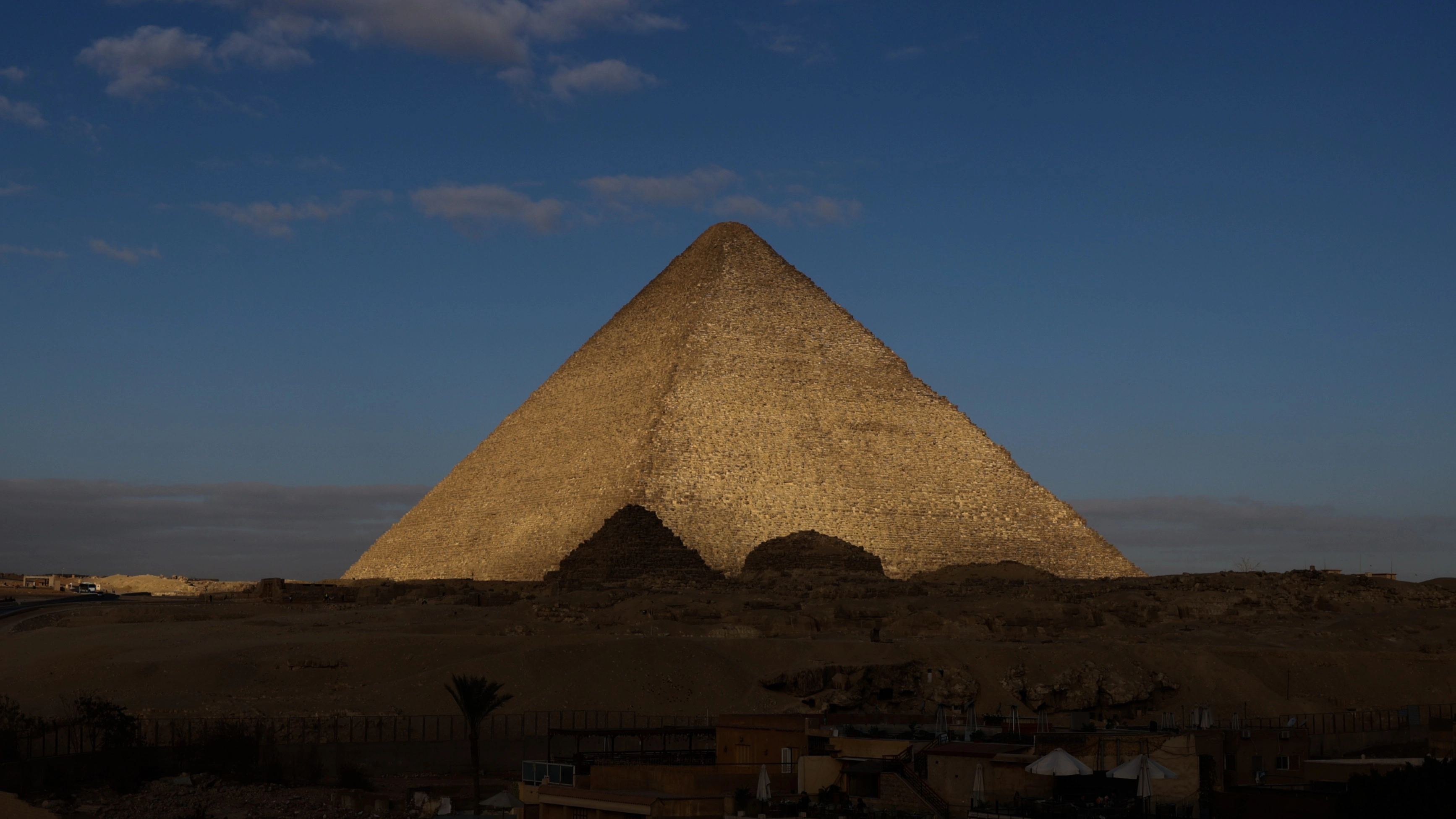
The centuries-old mystery enshrouding Egypt's Great Pyramid of Giza might finally be washing away.
One of the Seven Wonders of the Ancient World (the oldest of that iconic group, in fact), this triangular megastructure is believed to have taken 26 years to complete, with slaves importing millions of tonnes' worth of limestone blocks by boat or digging them up locally within the Giza Plateau.
It has boggled the mind of many for generations, yet a new scientific study documented in the publication Nature claims that a multi-channel system of ramps made it all possible.
According to the report, this head-scratching architecture may have been constructed with the aid of a spiral ramp that was hidden as each new layer got added by the tireless builders.
Advert
Vicente Luis Rosell Roig has created a 3D model revealing how such a system allowed one massive block to be put in place every few minutes.
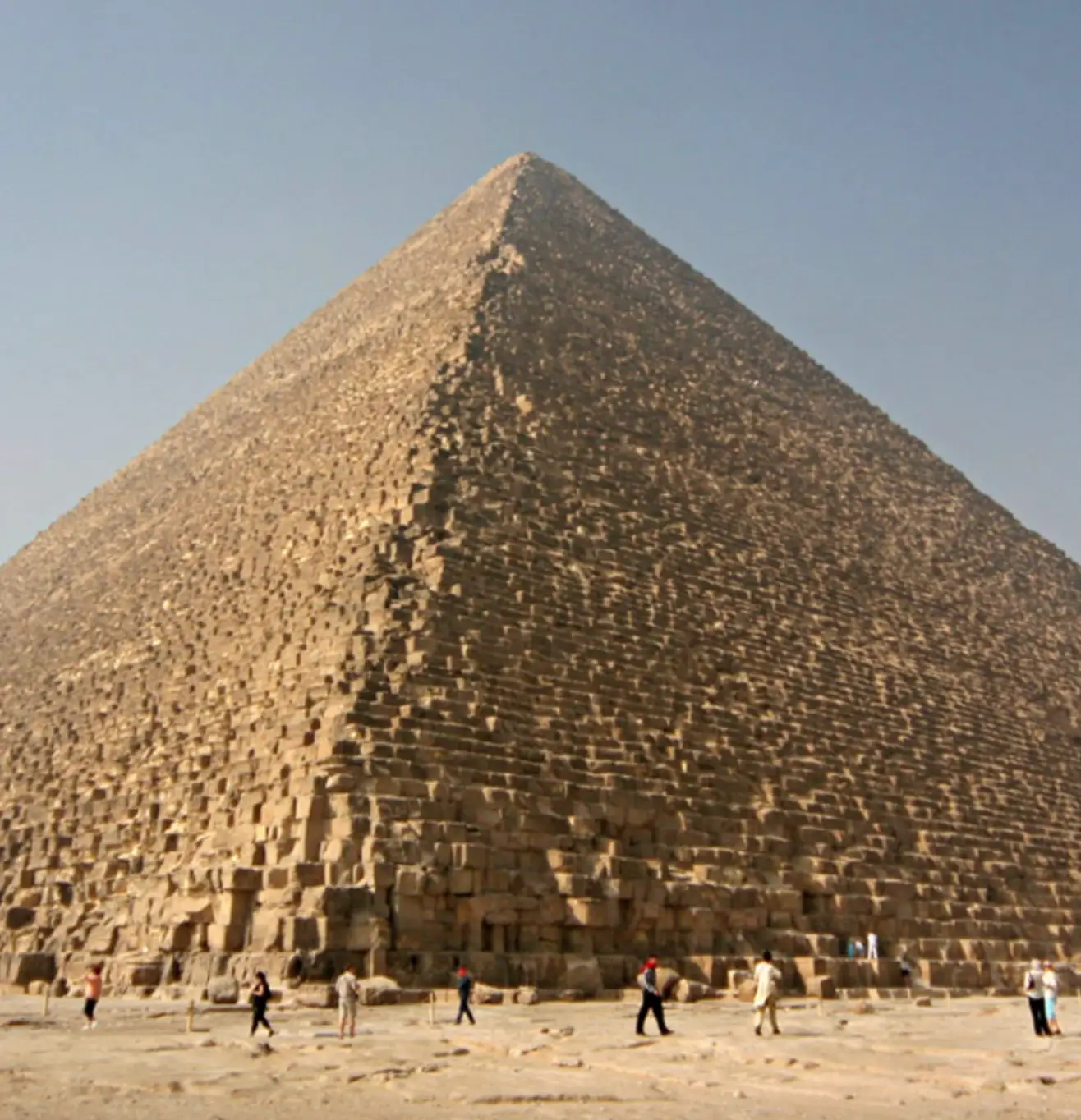
Roig's simulation concludes that limestone slabs will have been laid every four and six minutes, which sticks to the historical record of two decades to completion. This is also factoring in the logistical side of quarrying and transporting the heavy-as-hell materials across the Nile.
This theory works nicely in tandem with some of the discrepancies logged by the ScanPyramids project, too, which used cosmic ray technology to unearth previously undetected voids with the Great Pyramid itself.
If the computer scientist's work is to be believed, the center of the system is the ramp, acting as a path built into the pyramid's outer structure with parts of the outer layers being left open to shape the upward path - only to be filled in as the workers continued.
This means that additional ramps on four of the pyramid's faces would create a single pathway into one perfectly linked system.
Those Ancient Egyptians were geniuses, no question.
This comes after an Egyptologist named Dr. Zahi Hawass and his team discovered inscriptions inside the Great Pyramid that suggest the desert monument wasn't erected by slaves at all, but skilled labourers.
Never-before-seen markings are believed to have been left by workers in the 13th Century BC. More tombs have been discovered too, where some of the skilled workers were laid to rest.
In the tombs themselves, these archaeologists also found statues displaying the workers carrying giant stones, as well as titles written in hieroglyphics. 'Overseer of the side of the pyramid' and 'craftsman' were just some of the titles.
On the Matt Beall Limitless podcast, Dr. Hawass said finding the tombs and the inscriptions 'confirm that the builders were not slaves. If they had been, they would never have been buried in the shadow of the pyramids'.
"Slaves would not have prepared their tombs for eternity, like kings and queens did, inside these tombs", he added.
Topics: Ancient Egypt, History, Technology
 Dan Seddon