Jet2, EasyJet and Ryanair fuel latest as people worry for their holidays

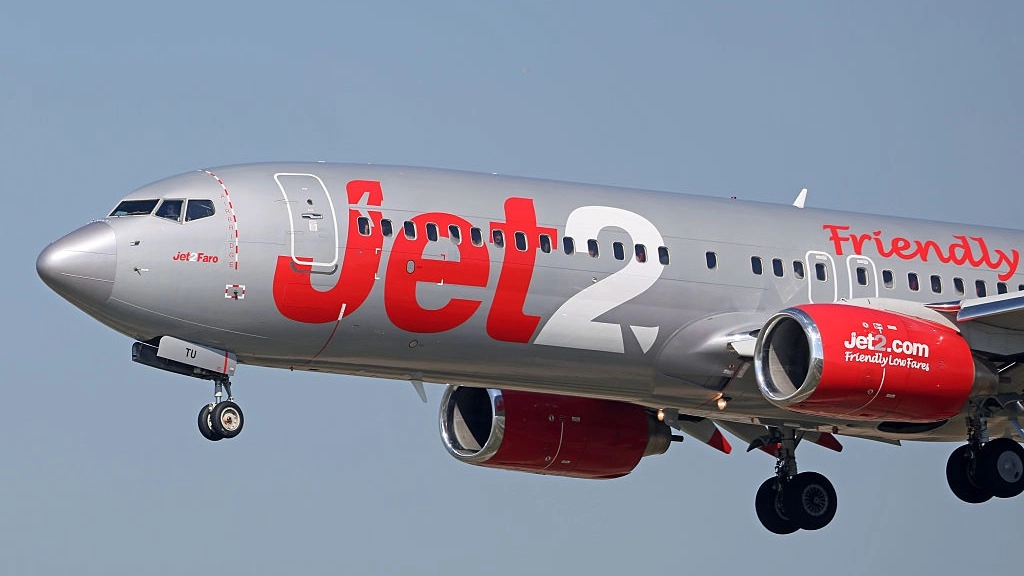
Brits are getting worried about their holiday plans after Jet2 updated passengers on when they'd be getting their holiday documents.
The war in the Middle East and the blockade of the Strait of Hormuz through which 20 percent of the world's fuel supply flows is having consequences.
Fatih Birol, executive director of the International Energy Agency, told the Associated Press that Europe has around six weeks of jet fuel supply left and the closure of the Strait of Hormuz was causing 'the largest energy crisis we have ever faced'.
He warned that 'some of the flights from city A to city B might be cancelled as a result of lack of jet fuel', and the higher price of fuel has meant some airlines around the world have cancelled routes they say are 'no longer economically feasible'.
Advert
Higher prices and lower supplies mean bad things for holidaymakers who'll be expected to pay more, but even worse would be flights getting cancelled which would throw holiday plans into jeopardy.
Jet2
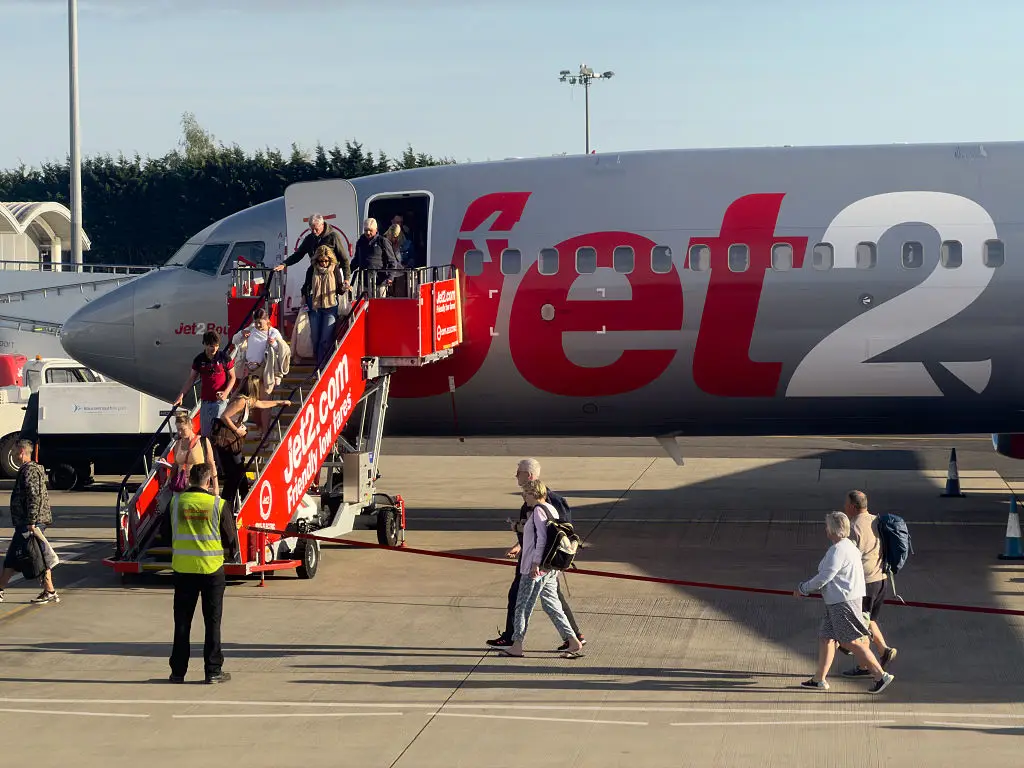
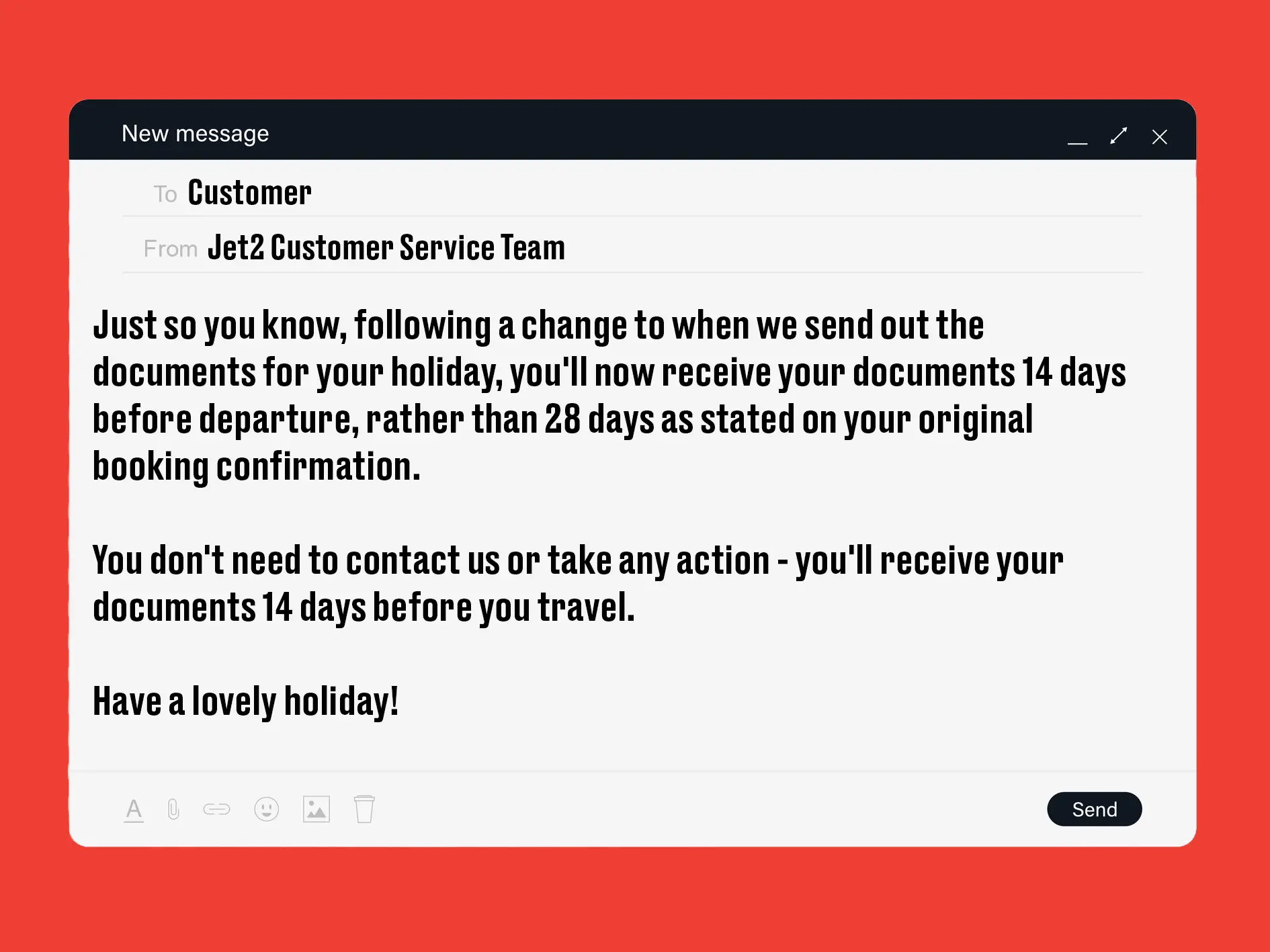
They say nothing beats a Jet2 holiday, but some Jet2 passengers have been worried after they got a message from the company telling them they'll get their travel documents 14 days before their departure instead of 28 days.
While some Jet2 customers were worried they were being scammed, Jet2 confirmed the email it sent out was genuine, with the Liverpool Echo reporting that lots of passengers are concerned about the jet fuel shortages.
Some of them wondered if the switcheroo of passengers getting travel documents a fortnight before had something to do with the travel worries.
One holidaymaker wrote: "Makes me wonder if they are looking ahead to cancel holidays."
A second said he was concerned 'there is potential for flights and holidays to be cancelled'.
But Jet2 has reassured customers it's not planning on cancelling flights.
A spokesperson for the airline told a concerned customer on social media: "All flights are planned to go ahead as normal.
"If anything were to change regarding your booking, we would be sure to reach out to you directly to make you aware, and discuss the options available to you."
In a response to another customer, Jet2 said the change was due to 'a new system we are using' rather than the situation in the Middle East.
easyJet
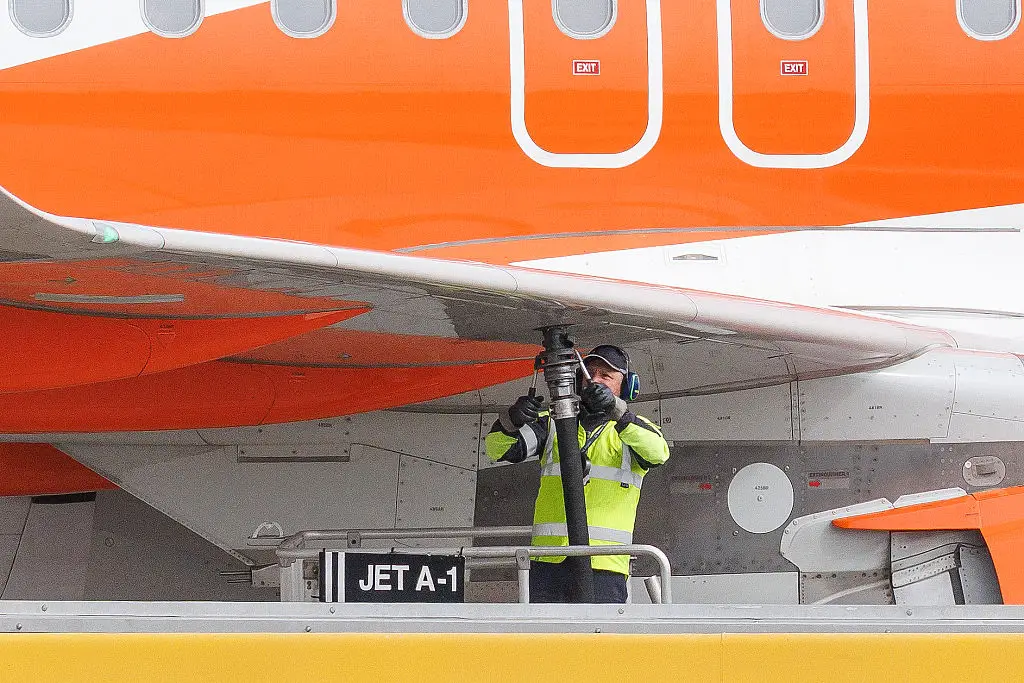
Higher fuel costs resulted in the holiday company paying £25 million more in fuel costs during March, with easyJet expected to make a loss of between £540 million and £560 million in the six months leading up to the end of March.
The airline bought fuel in advance according to Susannah Streeter, chief investment strategist at Wealth Club, who said easyJet had 'a deep well of liquidity' to absorb the loss but it could mean higher prices for holidaymakers who've yet to book their tickets.
easyJet boss Kenton Jarvis said on Thursday (16 April) that the airports they were flying between were 'operating as normal', but that they only ever knew about the next three to four weeks as far as jet fuel supplies were concerned.
He said: "We only ever in this industry have three to four weeks visibility, and that is the same as it was pre-crisis.
"We have visibility to the middle of May, and we have no concerns.
"What we’re seeing is airports and fuel suppliers working well to bring jet fuel to the airports."
Last month, he said that while easyJet was 'well-hedged' and had 'fuel at attractive prices for the coming months', people should book their holidays early to avoid being stung by price rises.
Ryanair
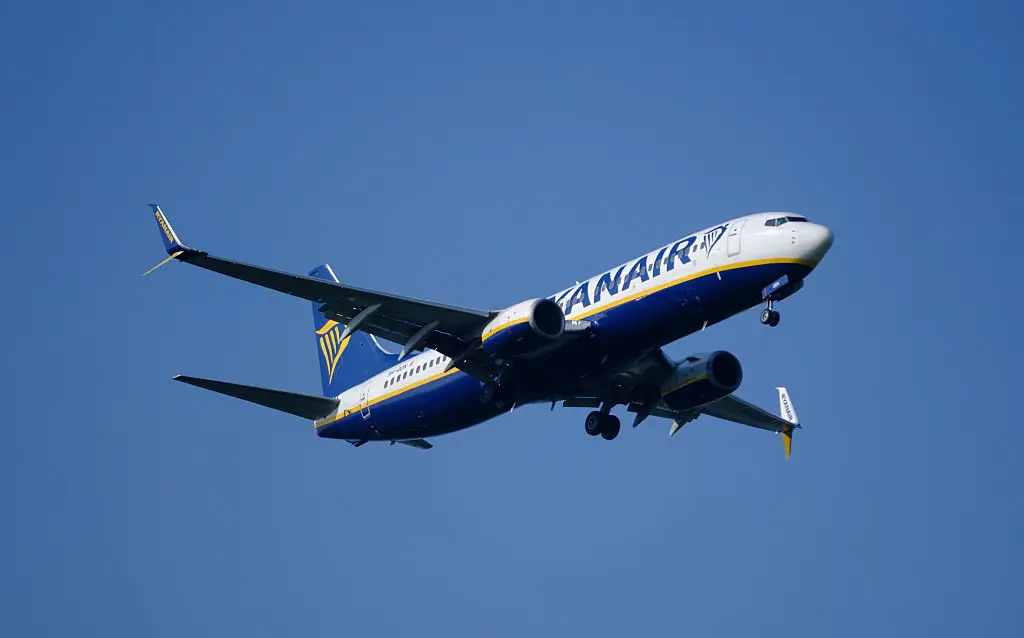
At the beginning of April, Ryanair boss Michael O'Leary told ITV they may have to cancel up to 10 percent of their flights if the Strait of Hormuz remains closed.
He warned if an end to the war didn't come 'by the end of April' then airlines in Europe would have to start cancelling flights.
O'Leary said: "The Strait of Hormuz has been closed for 30 days.
"If it remains closed for 60 or 90 days, then we’re all facing an unknown scenario, and we are certainly looking at maybe having to cancel give percent to 10 percent of flights through May, June and July."
He said airlines wouldn't get to decide in advance which flights were called off, as it would all depend on which airports might suffer fuel shortages.
The Ryanair boss added that the later you booked the more you'd expect to pay, and that airlines might only get notice of problems with fuel supplies a few days in advance.
The Airports Council International (ACI) has warned that if the conflict in the Middle East continues then 'systemic jet fuel shortage is set to become a reality for the EU', especially as Europe entered 'peak summer season'.
British Airways
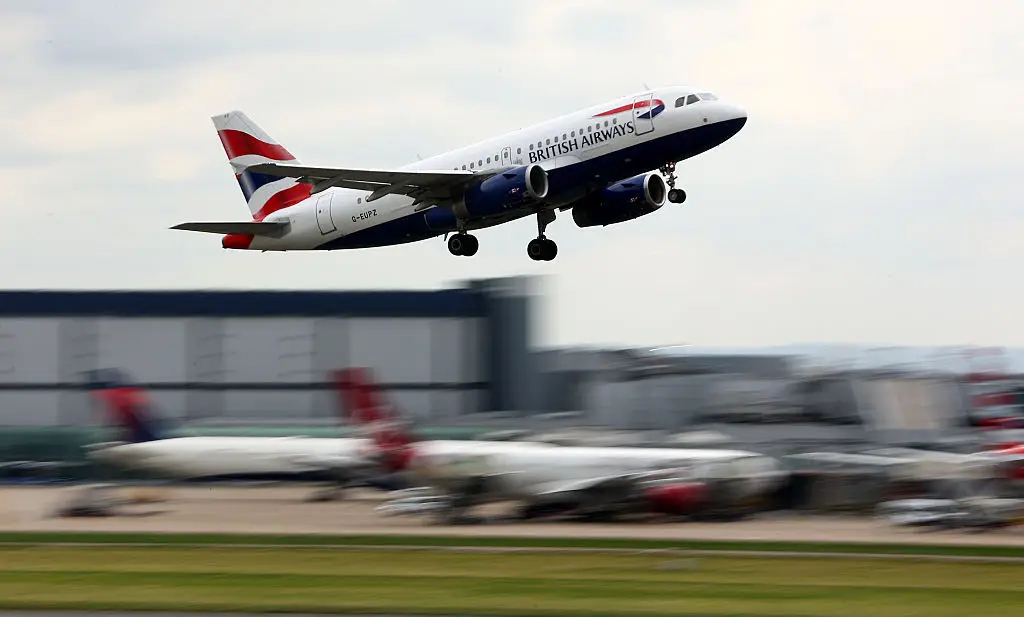
Like the other airlines here, British Airways 'hedged' its buying of jet fuel so it's paid up for a supply for a while.
Most airlines buy their supplies of fuel in advance so the impact of higher prices hasn't come through yet, but some operators have had to stop flying certain routes.
According to The Independent, BA's owner IAG said in March they weren't planning on immediately increasing ticket prices.
Meanwhile, CityAM reports that IAG and Ryanair were named as the two operators best placed to navigate the crisis by Gerald Khoo, an analyst for investment bank Panmure Liberum.
Khoo said their high margins meant they had the best chance of taking the strain of any disruption, but warned 'the crisis could yet deteriorate'.
He said that even the airlines best placed to deal with problems could experience 'supply disruption' and the longer the war went on the worse the risks got.
In the event there was any rationing of jet fuel, Khoo suggested airlines would 'clearly prioritise their most profitable routes, while preferring to trim frequencies on routes with multiple daily flights'.
 Joe Harker