
Forensic scientist who worked on OJ Simpson and JonBenét Ramsey cases makes deathbed confession

A forensic scientist who worked on various high-profile US crime cases made a shock deathbed confession after a judge ruled he had fabricated evidence in a 1989 murder trial.
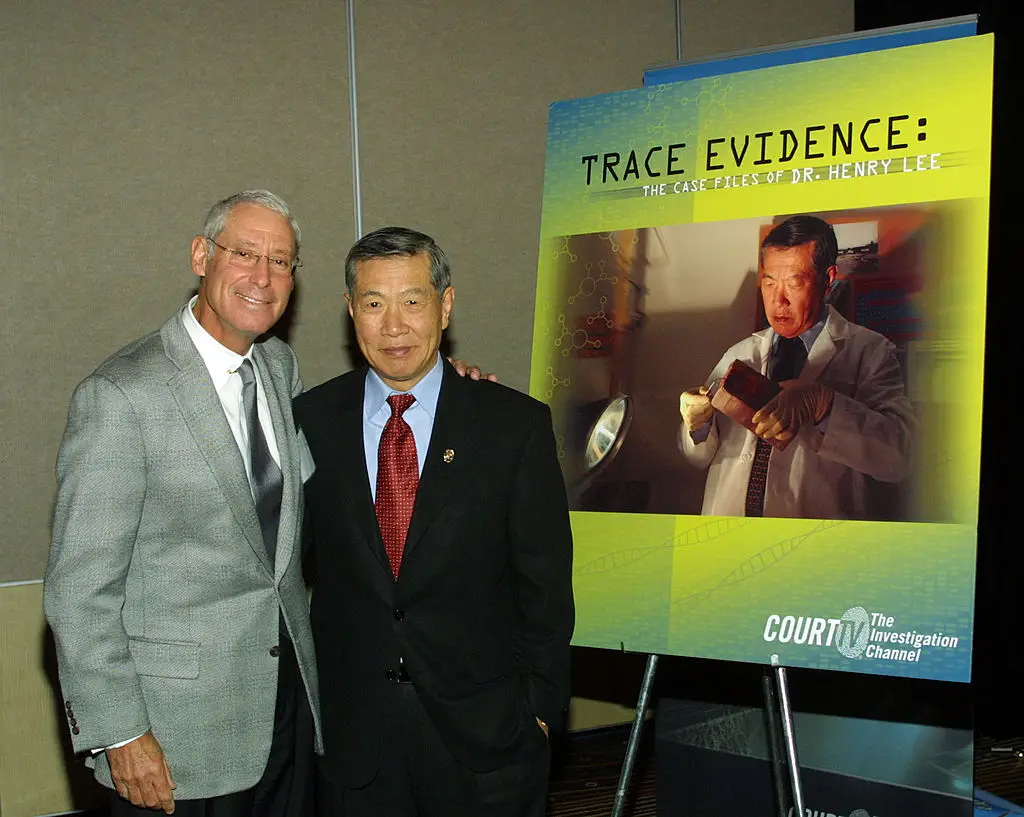
Henry Lee died last Friday (27 March) at the age of 87, and was considered the 'world’s most highly regarded forensic criminologist', according to a 2000 report in The New York Times.
He worked on over 1,000 criminal cases, including the killing of JonBenét Ramsey, OJ Simpson's 1994 murder trial and the first trial of music producer Phil Spector.
However, the criminologist's work was later called into question after a 1985 murder case he testified in was overturned.
Advert
In 1989, teenagers Shawn Henning and Ricky Birch were convicted of brutally murdering Everett Carr in the US state of Connecticut four years prior.
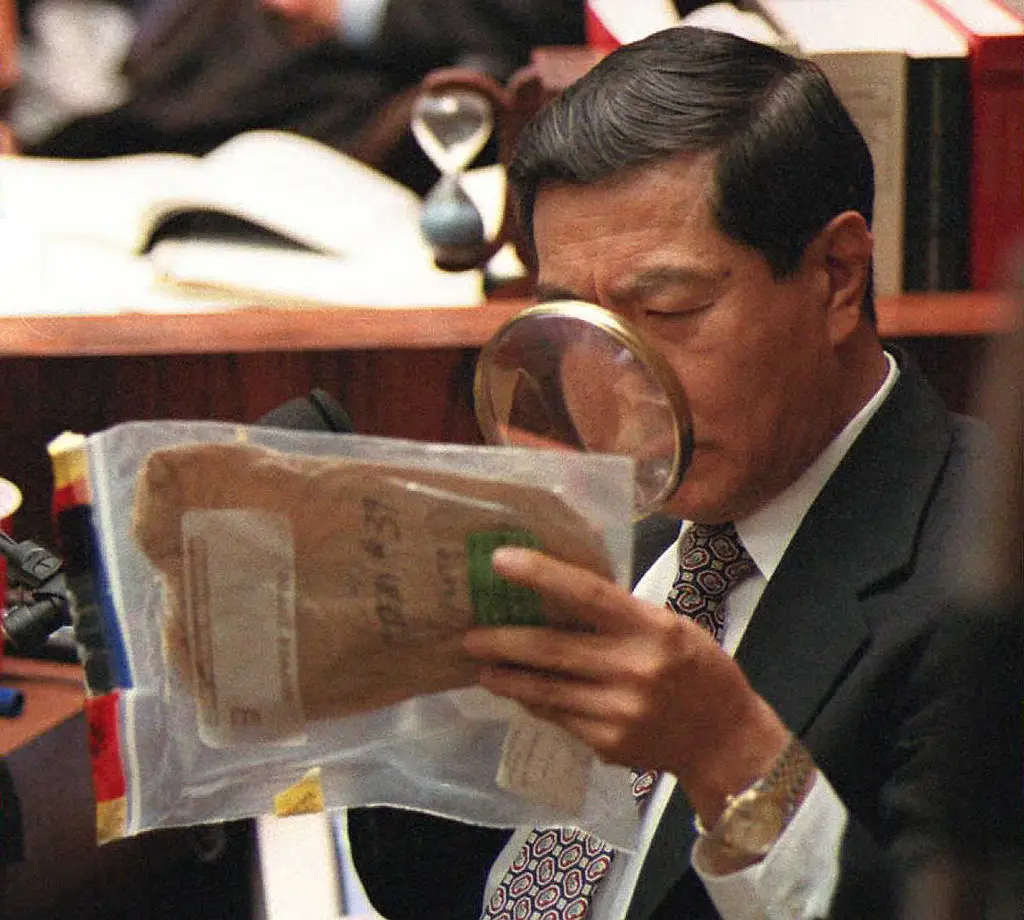
Lee's testimony played a significant part in convicting the two men, after the criminologist claimed the pair could have committed the crime without getting any blood on themselves.
He also claimed that 'blood evidence' from a towel suggested that Carr's blood had spattered in an 'uninterrupted' fashion.
Both Henning and Birch - who were 17 and 18 at the time - would spend three decades behind bars before the Connecticut Supreme Court overturned their charges.
The court later ruled that Lee's evidence had been fabricated in 2023, awarding the two men a $25.2 million (£18.9 million) settlement, via AP.
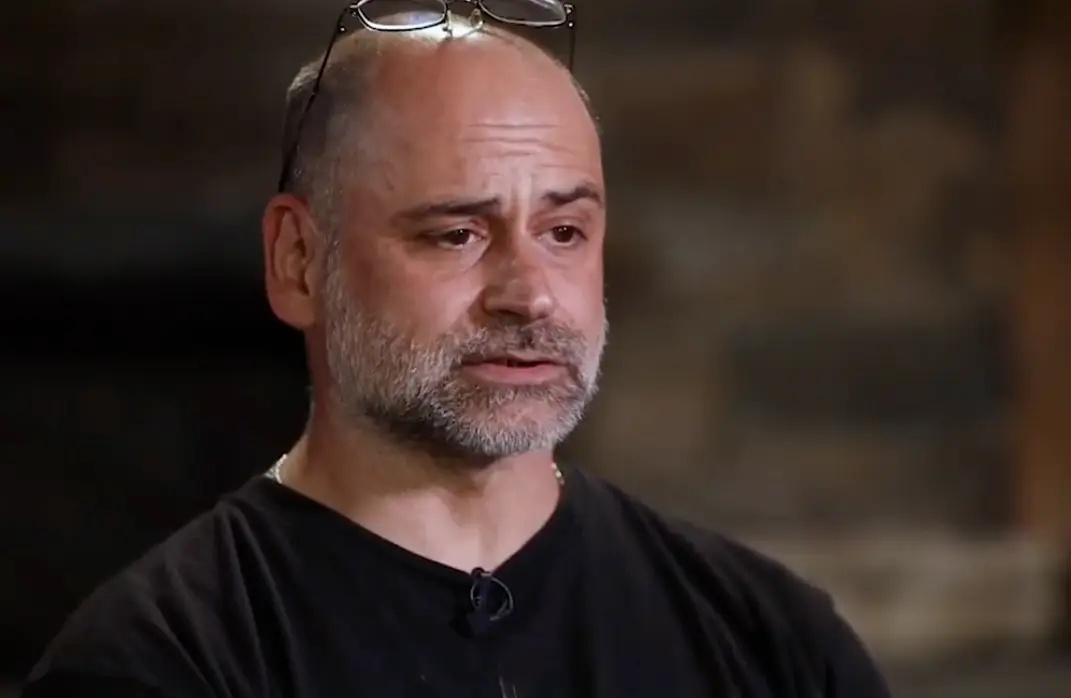
Birch said of Lee in an interview with NBC: "I'm angry, but I just can't dwell on it. He's going to have to live with what he did, that's all."
He described the 'shock' and 'disbelief' when he was handed a 55-year sentence, despite the fact he 'didn't even know Everett Carr'.
Henning told the outlet: "What these guys did is brutal and it's ugly and it's unforgivable."
In response to the ruling, Lee gave the following statement: "In my 57-year career, I have investigated over 8,000 cases and never, ever was accused of any wrongdoing or for testifying intentionally wrong."
Now, an alleged deathbed interview with Lee has emerged in the New York Post, showing the late criminologist attempting to defend his career. The interview was given to a documentary crew in response to claims suggesting that his actions had led to six other people losing their freedom.
Giving his response to the claims, Lee is said to have told the documentary makers: "Logic is the bottom line for law enforcement. But I only did one thing in my life. It’s to make the impossible be possible."
It's understood that the interview took place shortly before his death.
Forensic scientist Brent Turvey added that the revelations led him to recall a comment made by Lee at a university commencement, in which he told attendees 'Just remember, it takes 25 years to build a good name and 25 seconds to destroy it'.
"He was always speaking out against fraud, always speaking out against negligence and incompetence," Turvey said.
“But, as we now know, that was a confession of guilt to what he did in practice.”
The Henning and Birch acquittal isn't the only time in which Lee's judgment has been called into question, with the Daily Beast noting that Lee had been accused of taking a broken nail from the house of record producer Spector, where actor Lana Clarkson was shot and killed in 2003.
Lee had been part of Spector's defence in the murder trial, which saw the accomplished music producer found guilty and sentenced to 19 years behind bars in 2009. He later died from complications of Covid in 2021.
Topics: Crime, True Crime, US News
 Brenna Cooper