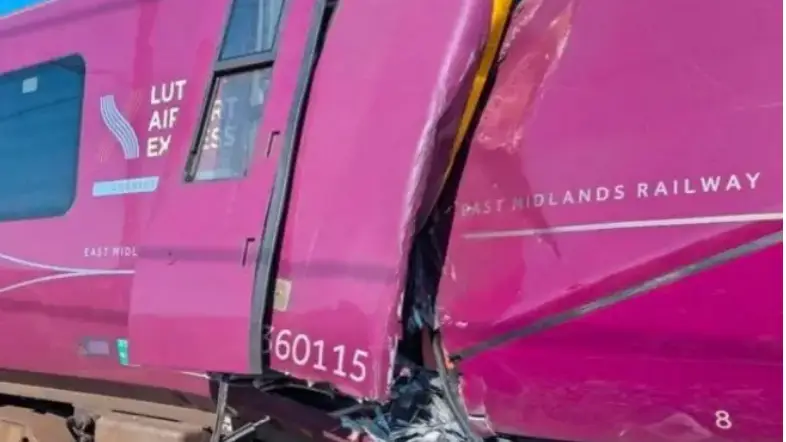
Railway expert shares likely cause of UK train crash that killed one and injured 90

A train driver was killed and more than 90 passengers left injured after a horrific train crash close to London yesterday.
On the afternoon of Friday 19 June, police confirmed that two passenger trains had collided just outside of Bedford, around 56 miles north of London.
According to British Transport Police, from the 90 people said to be injured in the crash, 33 of those were taken to hospital, 11 of whom are said to have serious injuries, while the rest were treated at the scene.
Passengers have already come forward to share their experience of the bloody aftermath from the collision, with one doctor even suggesting that the scenes were similar to a 'bomb explosion'
Advert
"I saw all of the chairs everywhere. It felt like I'd been in a bomb explosion," Dr Peter Knapp, told the BBC.
"I didn’t hear any explosions or slowing down of the train. Some people were spitting out blood. Lots of people are sat down. I can’t sit down because my back hurts so much."
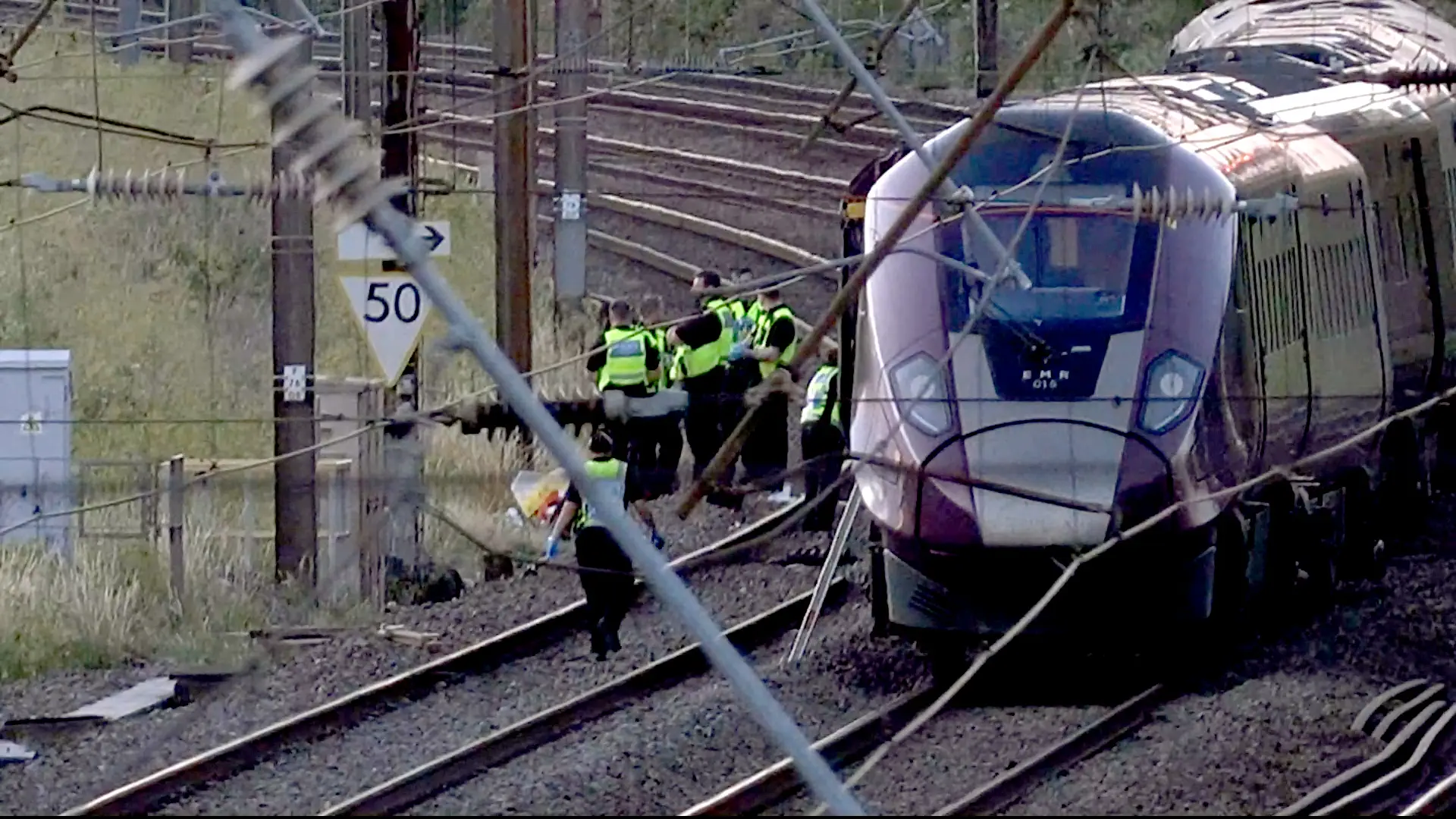
Considering the strict schedules that trains follow in the UK, it is rare to see a rear-end collision where one train essentially catches up with another train in front, and now a rail expert has assessed why that might have occurred.
Rail expert Tony Miles told Sky News: "It does look like two trains are in the same place and shouldn't have been there. From the single diagram that I've looked at on my phone it does look like the airport express has gone into the express train. The damage to the trains actually looks fairly minimal, they've stood up very well to the collision so I suspect that the injuries that people are reporting are mainly to do with people being shaken around on the trains. It's a Friday evening, people were probably travelling on quite packed trains, so I suspect it's people being thrown around on the trains, but the actual damage to the trains looks remarkably slight considering the trains have come together."
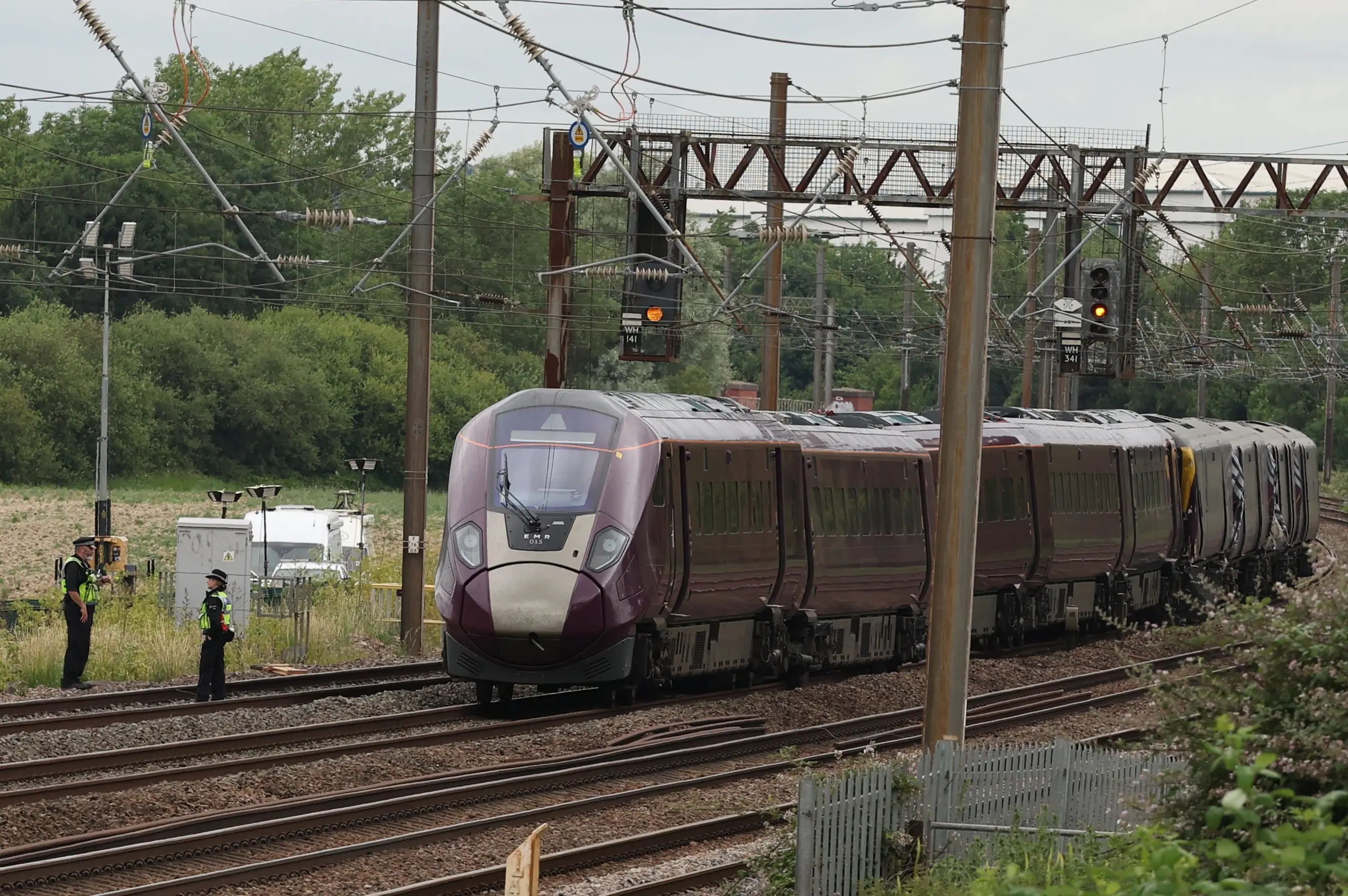
However, that will be little consolation to the families of the victim, and the passengers on board who suffered some severe injuries.
Miles continued: "Both trains were going in the same direction and would have been on the same tracks so the assumption is that one of the trains had come to a stop for some reason, possibly stopped at a signal, and the other train has gone into the back of it. Obviously it's a rear-end collision, they were going in the same direction, so the rear one was going faster than the one it caught up with for some reason. That's not a complicated assumption, so the question has to be how has that train that's in the rear got into contact with the train that it was following. It's either gone past a signal that was telling it should stop, or the signal was faulty, or the driver has made a mistake in some way. Over the years, all of those different scenarios have happened, and it's not a question of why one train caught up with the one in front of it, which was obviously going more slowly."
The British Transport Police has also issued an update following the crash, insisting that officers will do everything they can to establish how this incident happened.
Topics: UK News
 James Moorhouse