Rules of UK hosepipe ban that will affect 23,000,000 explained as punishment revealed

Hosepipe bans are coming into effect for millions of people in the UK, with anyone who breaks them at risk of costly punishment.
With the United Kingdom going through another heatwave and an extensive dry period of little rain threatening drought, hosepipe bans are being enforced across large swathes of southern England and the Midlands.
Thames Water, which supplies water to London and the Thames Valley, became the latest company to announce a hosepipe ban on Tuesday, 21 July, impacting 10 million people.
On Monday, South East Water extended its ban from just covering Kent by a further 2.4m people to Sussex, Hampshire, Berkshire and Surrey.
Advert
With five other companies already having bans in place, 20 regions are now under, or soon will be, restrictions on how they can use their mains water supply outside.
That's about 23 million people.
All regions under hosepipe bans in the UK
When temperatures rise, the demand for water naturally rises with it as more drinking water is consumed as people try to stay hydrated.
But that increase in water consumption coupled with a lack of new supply falling down from the sky puts a strain on water reserves in some areas.
As a result, hosepipe bans, or a Temporary Use Ban (TUB), are brought in to ensure enough vital drinking water is available to everyone within regions experiencing such supply issues.
The regions currently under, or set to be under, the bans are:
- Bedfordshire (Anglian Water)
- Berkshire (Thames Water)
- Buckinghamshire (Affinity Water and Anglian Water)
- Cambridgeshire (Anglian Water and Cambridge Water)
- Essex (Affinity Water and Anglian Water)
- Gloucestershire (Thames Water)
- Hampshire (South East Water and Southern Water)
- Hertfordshire (Affinity Water)
- Isle of Wight (Southern Water)
- Kent (Affinity Water, South East Water and Thames Water)
- Lincolnshire (Anglian Water)
- London (Affinity Water and Thames Water)
- Mid and East Devon (South West Water)
- Norfolk (Anglian Water)
- Northamptonshire (Anglian Water)
- Suffolk (Anglian Water)
- Surrey (South East Water and Thames Water)
- Sussex (South East Water)
- Thames Valley (Thames Water)
- Wiltshire (Thames Water)
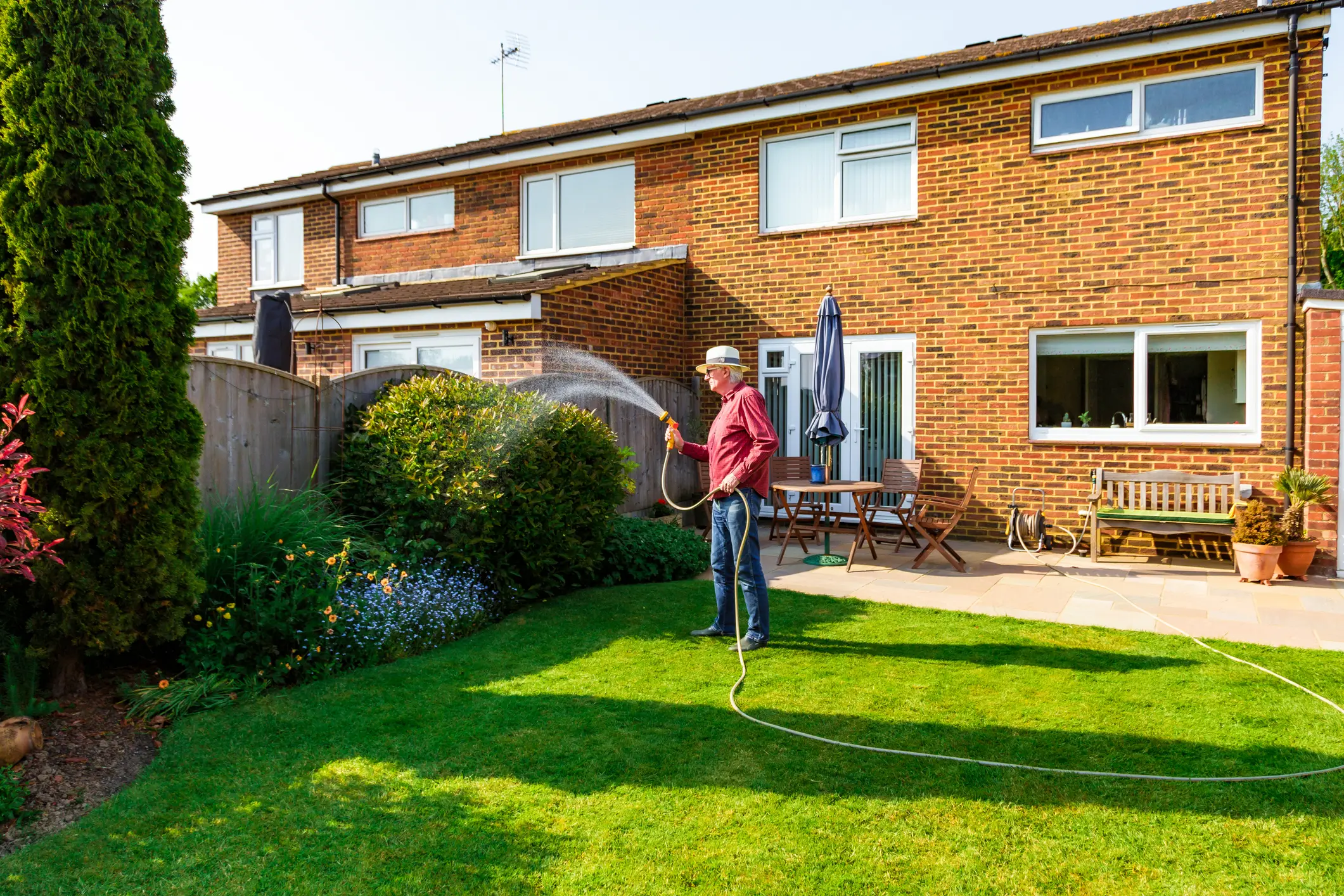
What you can't do under a hosepipe ban
It's simple. If your region is under a hosepipe ban, then you can not use a hosepipe that is connected to your mains water supply.
This ban extends to similar tools which would be connected to a hosepipe, like pressure washers, sprinklers or irrigation systems.
That means a hosepipe can not be used to water plants in the garden, to wash a car or any other vehicle, to fill up paddling pools or hot tubs, clean walls, windows, patios.
In general, you can't use your hosepipes to water, fill or clean.
What you CAN do under a hosepipe ban
There are some exceptions.
A hosepipe can still be used under a ban in specific circumstances, reports Sky News.
These include when they are needed for 'unavoidable' health and safety reasons.
This can be to remove or reduce risk to human and animal health or to prevent the spread of diseases.
So if you fall in a slurry pit, you can still get hosed down. Don't worry.
A hosepipe can also be used if its needed to protect the welfare and safety of animals, like if you have a fishpond that's getting dangerously low and it needs refilling.
However, South East Water say they may still 'question your use' of an exemption if it receives reports of usage during a ban.
There are further exceptions, with commercial businesses such as car washes and window cleaners not being under the purview of a ban.
Meanwhile, blue badge holders can use hosepipes if they need it to clean an adapted vehicle, with the same applying to those registered on a water supplier's priority services register.
Punishment for breaking a hosepipe ban
The punishment for knowing and repeatedly breaking a Temporary Use Ban would certainly put a dent in your wallet or purse.
If prosecuted under the Flood and Water Management Act 2010, you could be fined up to £1,000 in a magistrates' court.
However, such legal action is seen as a last resort.
Topics: UK News
 Daniel Murphy