
Thousands of Brits with more than £3,500 in savings will be getting fine in the post

Thousands of Brits whose savings exceed £3,500 are set to be hit with an unexpected bill in the coming days.
With a new financial year having started on Monday (April 6), HMRC is now set to begin assessing what's owed for the 25/26 tax period. And while you aren't taxed on money that you've saved, you do pay tax on interest earned over a specific amount - and many will find themselves in this bracket.
The type of account you have and your income tax band also play a role in determining the amount you'll pay, but with interest rates having risen and tax thresholds being frozen, thousands more people are expected to be hit with a fine this year.
It's been estimated that over two million Brits will receive a letter from HMRC in the next few weeks, including a mix of both basic rate and higher rate taxpayers.
How much will I have to pay depending on my tax bracket?
Those who earn between £12,571 and £50,270 annually fall into the basic rate bracket and are allowed to earn £1,000 per year in tax-free interest, but anything over this is charged at 20 percent.
Advert
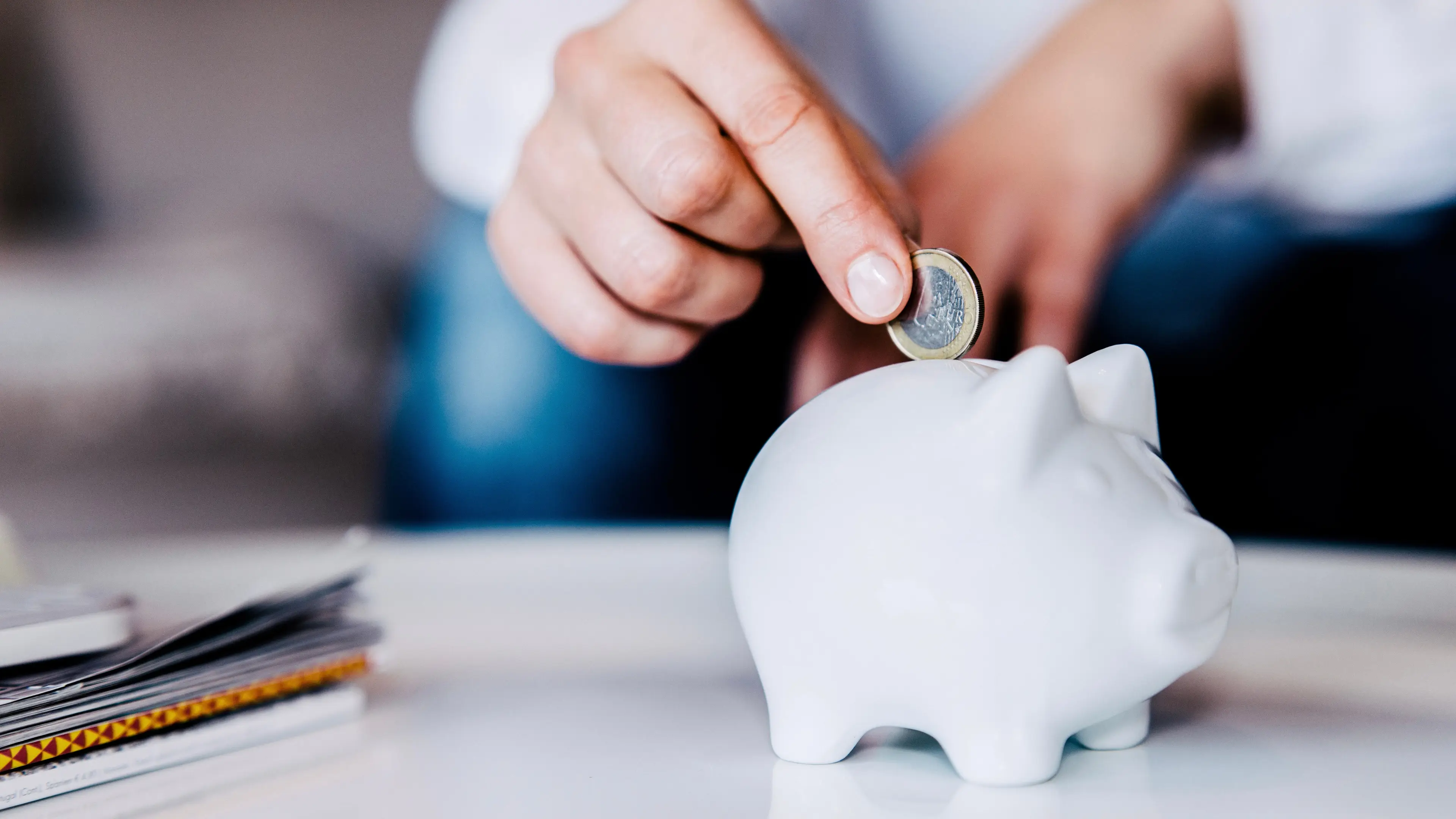
This differs for higher rate taxpayers, who earn between £50,271 and £125,140 each year. The personal savings allowance for these taxpayers is £500, with any interest earned over this allowance being taxed at 40 percent.
Those with an income exceeding £125,140 have no personal savings allowance and are taxed 45 percent on all savings interest.
Non-taxpayers - those earning less than £12,570 annually - can potentially earn up to £18,570 in savings interest tax-free, though this is dependent on other factors, such as how much income you have from work, pensions, etc.
New figures show that around 883,000 people on the higher rate will be hit with a tax bill, averaging around £2,030, while over 1 million basic rate taxpayers will receive a bill averaging £641, according to Paragon Bank.
How much do I need to have in savings to receive a fine?
Martin Lewis' Money Saving Expert estimates that basic rate taxpayers will need to have about £22,000 in an easy access savings account, and £11,000 for higher rate taxpayers.
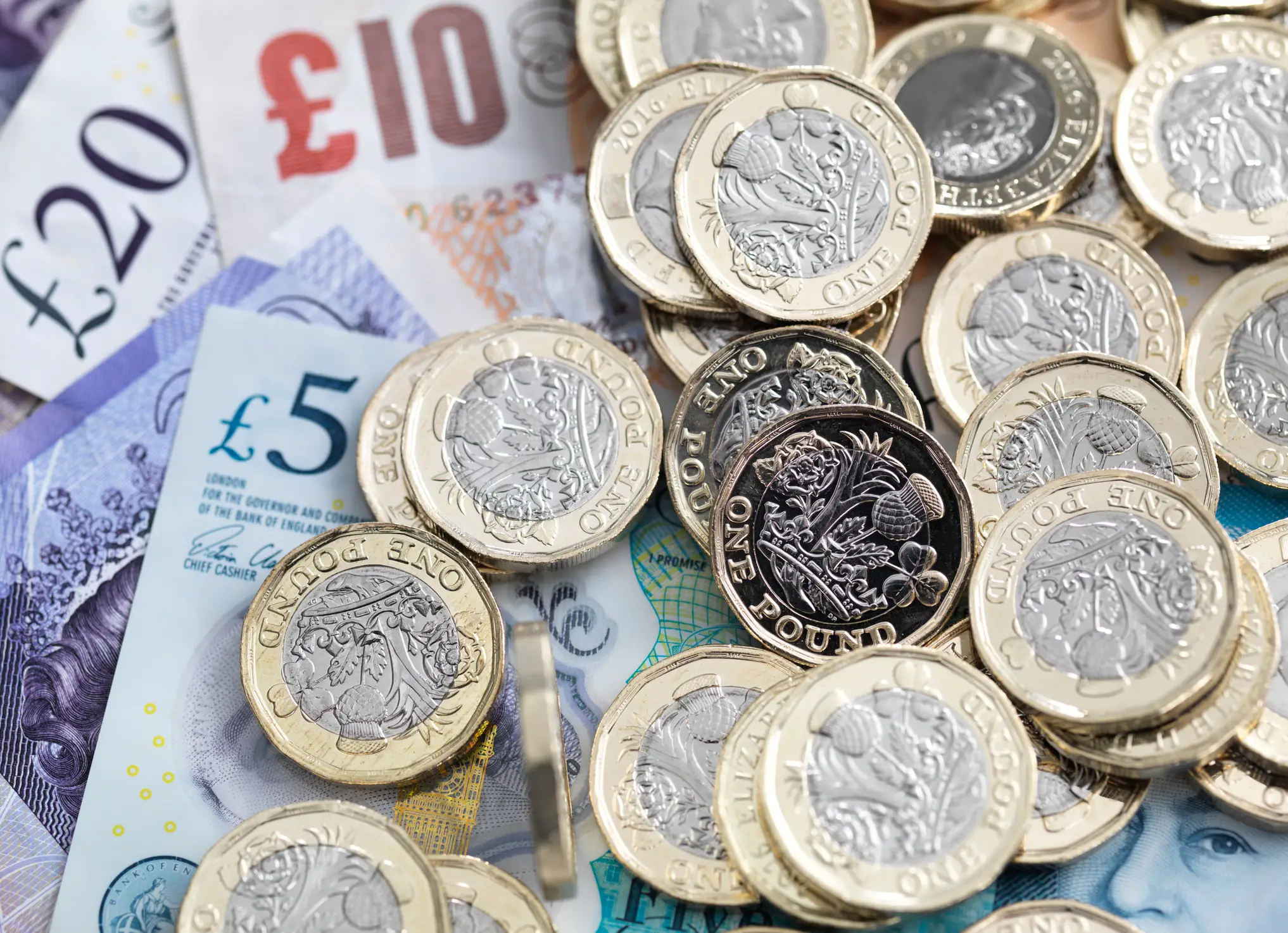
But an important caveat is that you're taxed on interest in the year you can access the money, so people with fixed-rate savings accounts that run for longer than a year will be hit harder.
So if a higher rate taxpayer put any more than £3,500 in a three-year fixed-rate savings account with a five percent interest rate, the interest they'd earn would exceed their allowance, Metro estimates.
For a basic rate taxpayer, they'd need to put about £7,000 in the same savings account before they'd be taxed on the interest.
There are several types of savings subject to tax, including certain life insurance contracts, bank and building society accounts, trust funds, government/company bonds, payment protection insurance, unit trusts, investment trusts and open-ended investment companies, savings and credit union accounts and life annuity payments.
Savings sitting in tax-free accounts like ISAs do not count towards your allowance.
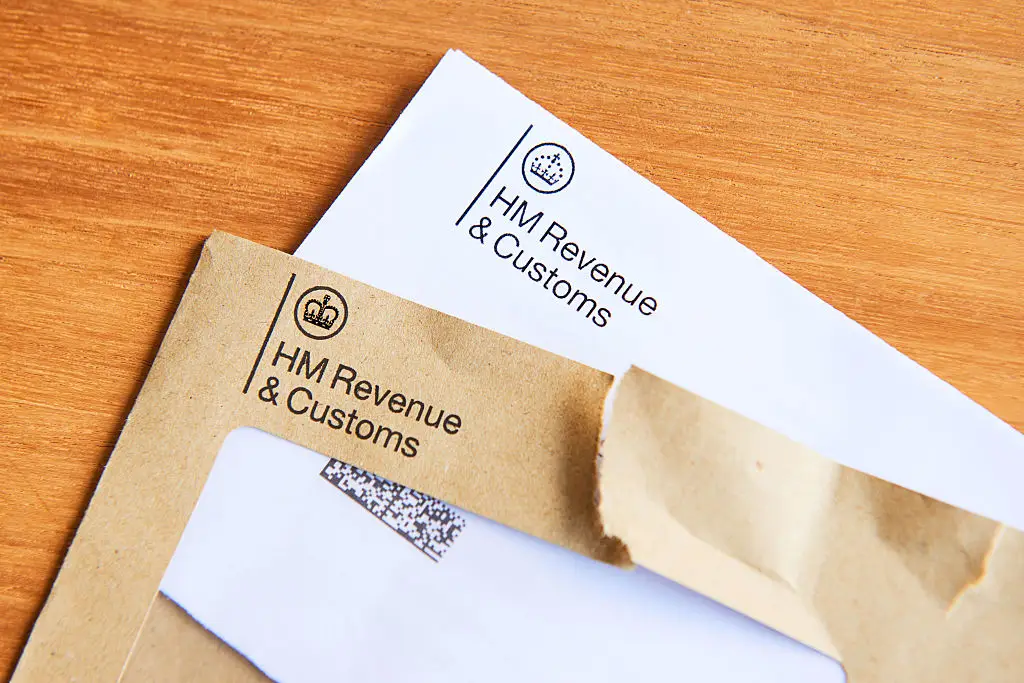
How will I find out if I owe HMRC money?
Information about the interest of each saver is shared with HMRC by banks. If HMRC finds you owe tax, a P800 letter - or in some cases, Simple Assessment - will be sent to you.
Often the money is recouped through a deduction to your personal allowance and your tax codes is therefore altered.
There is no specific timeframe for the letters to be sent out, with HMRC sending them 'as information becomes available', though your annual statements from your bank should provide you with the amount of interest you've earned and maybe an insight into what's going to be taxed or not.
 Danni King