Advice to holidaymakers as 1,700 fall ill and 'eight die' after visiting holiday hotspot

Holidaymakers hoping to enjoy an illness-free break abroad should err on the side of caution when it comes to what food and drink they consume.
It's also seriously important to ensure that you're following good hygiene practices while visiting another country, as not doing so could have dire - and even deadly - consequences.
Currently, more than 800 Brits are locked in a legal battle with travel company Tui after a host of people visiting Cape Verde became seriously unwell during their trip.
Lawyers from Irwin Mitchell, who are leading the personal injury claim, are investigating more than 1,700 cases of illnesses and deaths linked to infections contracted in the holiday hotspot between 2022 and 2025.
Advert
Many of these incidents 'occurred at hotels and resorts operated by TUI', the law firm said. The solicitors claim at least eight people from the UK have passed away after travelling to Cape Verde in recent years.
Clients who have joined the legal claim reported being struck down by various gastric illnesses such as E coli, salmonella and shigella, as well as parasitic infections such as cryptosporidium.
Children as young as six-months are alleged to have fallen ill during what should have been an enjoyable holiday abroad which they booked through Tui, Irwin Mitchell says.

One of the firm's lawyers, Jatinder Paul, said he hasn't seen a 'case this large' in his entire career - nor this many deaths 'as a result of the illnesses'.
"We are pursuing all of our cases against Tui," he told the BBC. "They had a responsibility in taking our clients away on a package holiday which was not going to cause them any illness.
"Unfortunately, it was the opposite of that. If we're unable to resolve them amicably we expect a judge in the High Court to make an order which would involve payment of millions of pounds worth of damages to our clients."
He described the number of people who have become seriously ill in Cape Verde over the last three years as 'truly staggering', while explaining the impact of these sicknesses 'should never be downplayed'.
"As many of our cases demonstrate, they can result in life-changing complications and in some cases, even death," Paul said. "Nearly three years on, many of our clients for whom we’ve issued legal proceedings on behalf of continue to suffer from debilitating symptoms linked to their illness. While it’s too late for those we represent in terms of their holiday being ruined by such illness, we’re determined to provide them with the answers they deserve and, where appropriate, access to ongoing support and treatment they may require."
Irwin Mitchell said the illnesses are allegedly a result of poor hygiene standards and food safety failings at various hotels and resorts.
The firm claims that 'TUI breached its legal duties by failing to protect holidaymakers from illness and by not ensuring that hotel and swimming pool facilities were maintained to reasonable standards of cleanliness'.
The mammoth legal case has likely left a lot of holidaymakers heading to Cape Verde and elsewhere panicked - but thankfully, Irwin Mitchell have shared some 'key advice' to those heading for a break in the sunshine.
Their team of solicitors, who have a ton of experience in helping victims who have fallen ill across the globe, advised travellers to exercise caution...particularly if you're flying to the place at the centre of the lawsuit.
Irwin Mitchell suggested using sealed bottled water for both drinking and brushing your teeth if you are 'in doubt about the safety of the water'.
Furthermore, you should ask staff how food items such as salads and raw foods have been washed, to ensure you're not inadvertently consuming anything dodgy.

Another essential step is confirming that your cutlery is 'clean' and that it hasn't been 'contaminated' if you're at a buffet to eat, while Irwin Mitchell adds: "If you have any allergies, always ask if there is no clear labelling present."
You should ensure you have 'travel insurance with good medical assistance cover', as well as 'researching the area to find reliable medical care' before you land there, just in case the worst happens.
And if that unfortunate scenario did come to fruition, Irwin Mitchell said you must 'report this as soon as possible to the local holiday rep or hotel staff'.
The law firm adds: "If you seek medical help abroad, make sure you get a copy of the doctor's report."
The Centres for Disease Control and Prevention (CDC) also recommends avoiding 'lukewarm' or raw food if you want to be on the safe side when you're abroad, as these are more likely to cause issues.
Eating from street food vendors, chowing down on unusual local delicacies and piling ice into your drinks are all also big no-nos in the eyes of the CDC. You can find the entirety of the advice here.
Who are the eight Brits who have died after falling ill in Cape Verde?
According to solicitors Irwin Mitchell, last year five Brits died following or during a TUI Cape Verde holiday - including part-time nurse Elena Walsh.
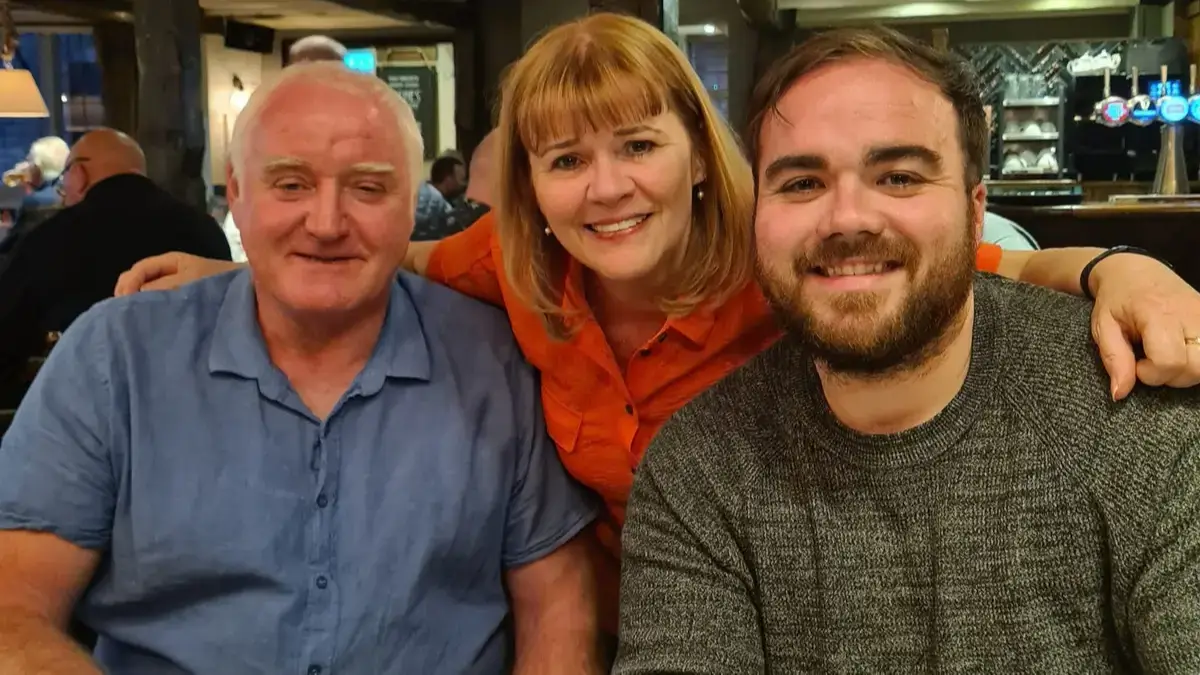
The 64-year-old, from Birmingham, stayed at a five-star resort in August for a 12-night all-inclusive holiday with her family when she experienced sickness and diarrhoea. She died two days after becoming unwell.
In October, Mark Ashley, 55, from Bedfordshire, started suffering from stomach pain, diarrhoea, vomiting, fever and extreme lethargy three days into his Cape Verde £3,000-plus holiday on the island of Sal.
His symptoms continued once he returned to the UK. He collapsed at home weeks later and was pronounced dead at the hospital.
Also in October, Karen Pooley, 64, from Gloucester, also visited Sal, and fell ill with diarrhoea and vomiting.Her condition worsened to the extent that she had to be air-lifted to Tenerife, where she died shortly afterwards.
Two unnamed men in their 50s, including a firefighter from County Durham, also died in 2025.
In 2024, an unnamed man in his 60s from Watford died, while a 71-year-old retired civil servant suffered a heart attack on her flight back from Cape Verde and died shortly after landing.
In 2022, Jane Pressley, 62, from Gainsborough, set off on a two-week holiday with her husband to Sal to celebrate her birthday Two days into the break, she fell ill with vomiting and diarrhoea. Her symptoms continued when she returned home, and she died two months later.

What has Tui said?
TUI has confirmed that it is investigating the claims but also suggested that it did 'not yet have access to the full Cape Verde health report, which remains unpublished'.
The company suggested that customer health and safety is its 'highest priority' and emphasised that it was 'deeply saddened by the reports of these tragic losses'.
A TUI UK & I spokesperson told LADbible: “We are deeply saddened by the reports of these tragic losses and extend our sincere condolences to the families affected.
"While we cannot comment on individual cases, customer health and safety is always our highest priority. We have established procedures in place to support any customer who becomes unwell while on holiday, including access to appropriate medical care and assistance in resort.
"To provide that support, it is important that illness is reported to our teams while customers are in destination. Where this does not happen, it limits the assistance we are able to offer at the time.
"We continue to follow FCDO advice and engage with hotel partners and relevant authorities where appropriate.”
Illnesses are seemingly spread through contact with contaminated faeces, which can often occur either from person-to-person transmission or by ingesting unclean food or water.
People are advised to therefore only eat food which is piping hot and fully cooked, as well as ensuring that salads are washed and fruits are only peeled by the person eating them.
"Taking a few simple precautions against traveller's diarrhoea and food poisoning can make all the difference," Dr Gauri Godbole, the UKHSA's deputy director for gastrointestinal infections and food safety, said.
"The best way to avoid gastrointestinal infections, including shigella and salmonella, or passing them to others, is simply by washing your hands regularly and thoroughly with soap and water or alcohol gel – particularly after using the toilet, changing nappies, and before eating or preparing food."
Topics: Travel, Food And Drink, Health, News, World News
 Olivia Burke