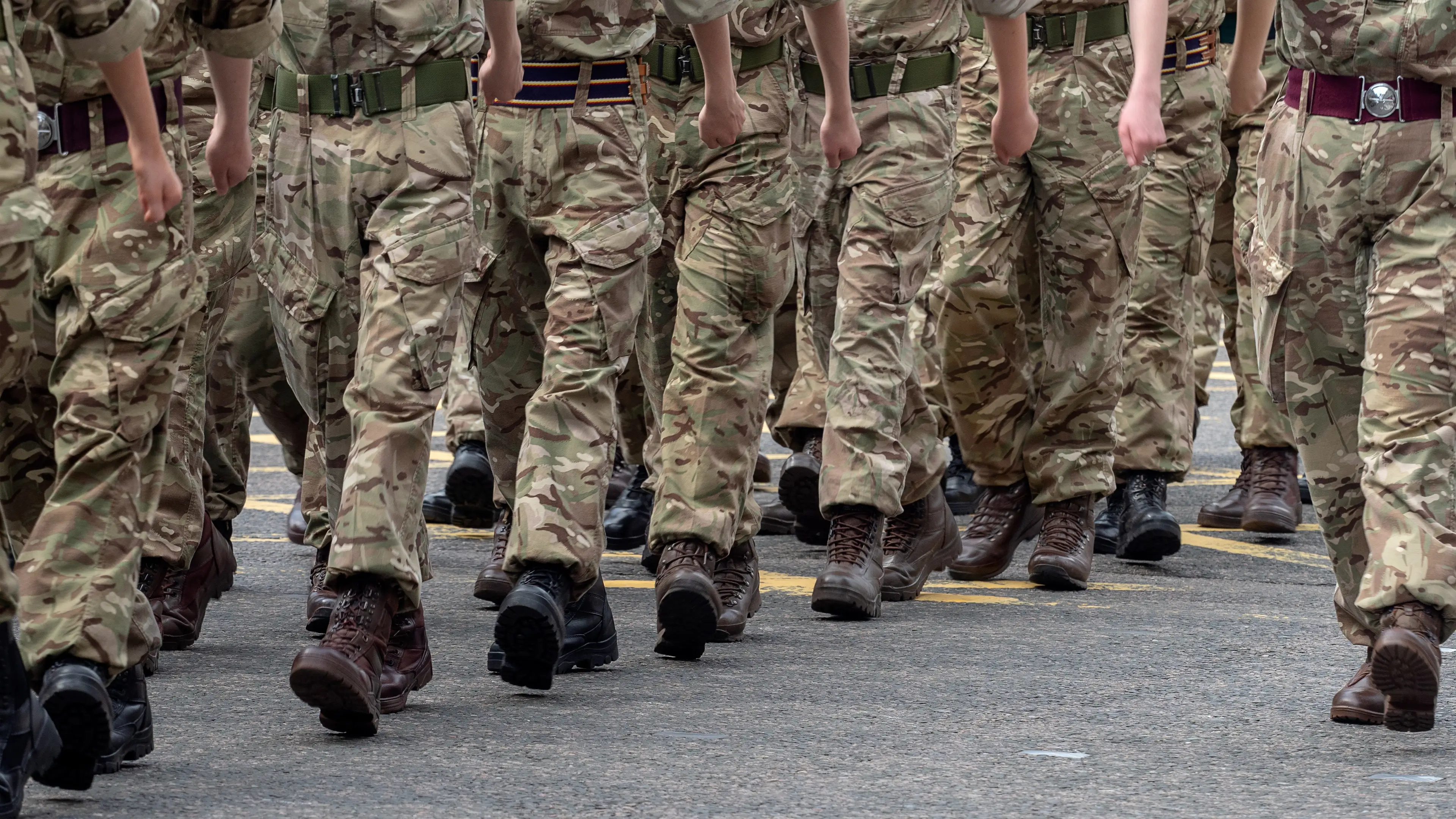
What UK conscription could really look like as five groups most likely to serve first revealed

Many have worried about the potential of conscription becoming introduced by the UK government amid rising geopolitical tensions across the world.
The subject matter has left Brits on their toes, though it has recently been revealed that certain job types may be exempt from conscription as bakers, farmers, doctors, nurses and engineers will be let off the hook due to their links to the food and healthcare industries.
While Prime Minister Keir Starmer has claimed that conscription isn't currently in the realm of possibility, the messy start we've had to 2026 could force his hand sooner rather than later.
Donald Trump ordered the US military to carry out strikes on Venezuela and abduct the president of the country, Nicolás Maduro, in the first week of this year.
Advert
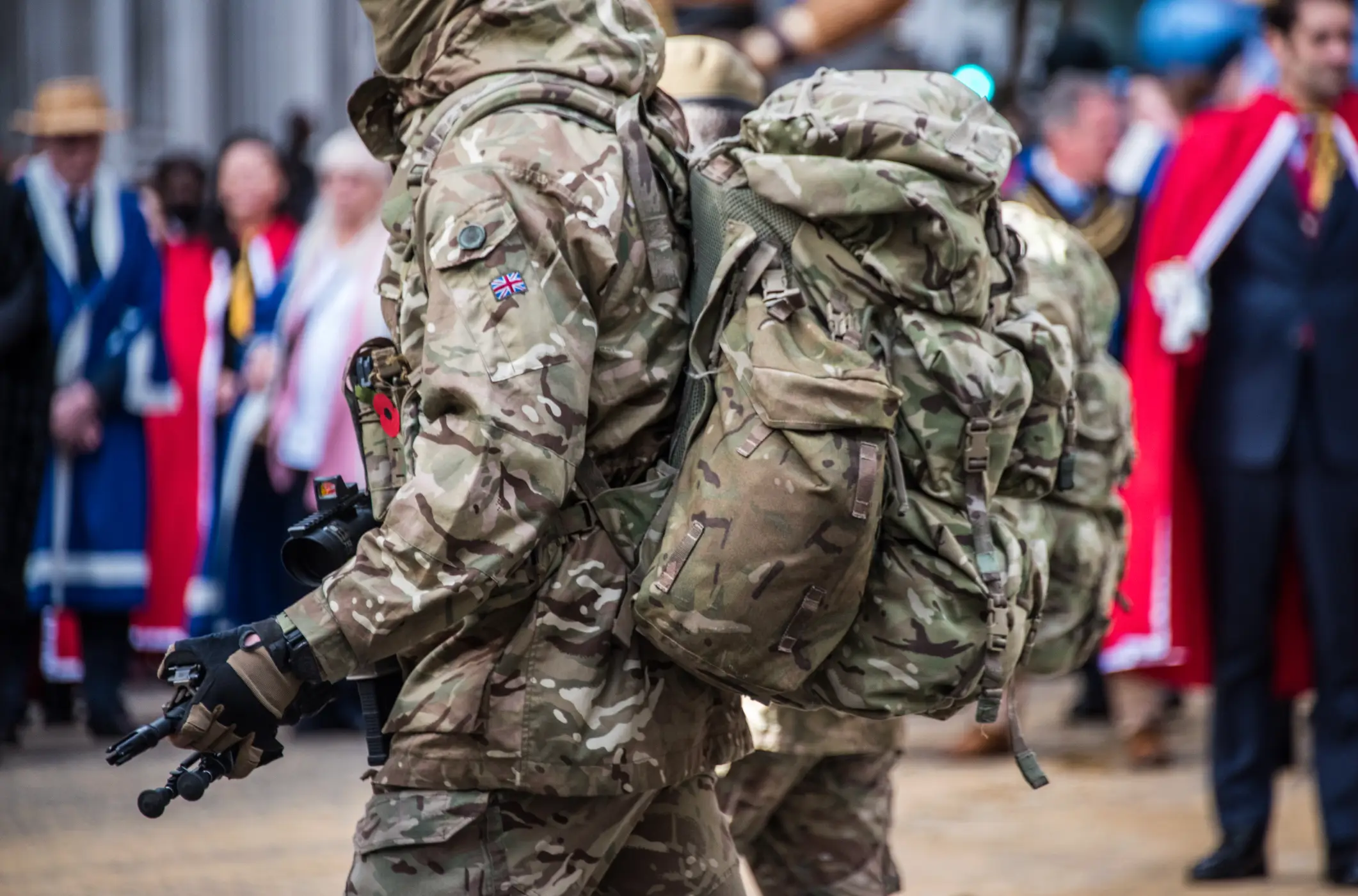
The US leader has also spoken of doing things the 'hard way' when it comes to acquiring Greenland in addition to claiming that the US would 'run' Venezuela.
Ongoing conflicts between the west and Russia, stemming from their ongoing war with Ukraine, could also result in the UK getting involved.
What is conscription?
Conscription is introduced when a military requires people to fight in a war, but there aren't enough volunteers for the armed forces - so those who are able to fight will legally be obliged to fight on the frontlines.
While this was first introduced in the months leading up to World War II, Sir Richard Knighton, Chief of the Defence Staff, recently said he 'cannot see conscription returning in the short term'.
Claiming that there are 'no plans' to introduce it on our shores, he warned that 'the situation in the world may deteriorate very significantly'.
Refusing conscription would have got you into trouble in the 1940s, but the government would look to place you in work in farming, hospital work, civil defence or forestry, or even non-combat military roles.
Prison time would await those who refused all war-related work though, but as Starmer penned a deal to deploy British troops in Ukraine in the event of a peace deal with Russia, time will tell if we'll be involved in a war anytime soon.
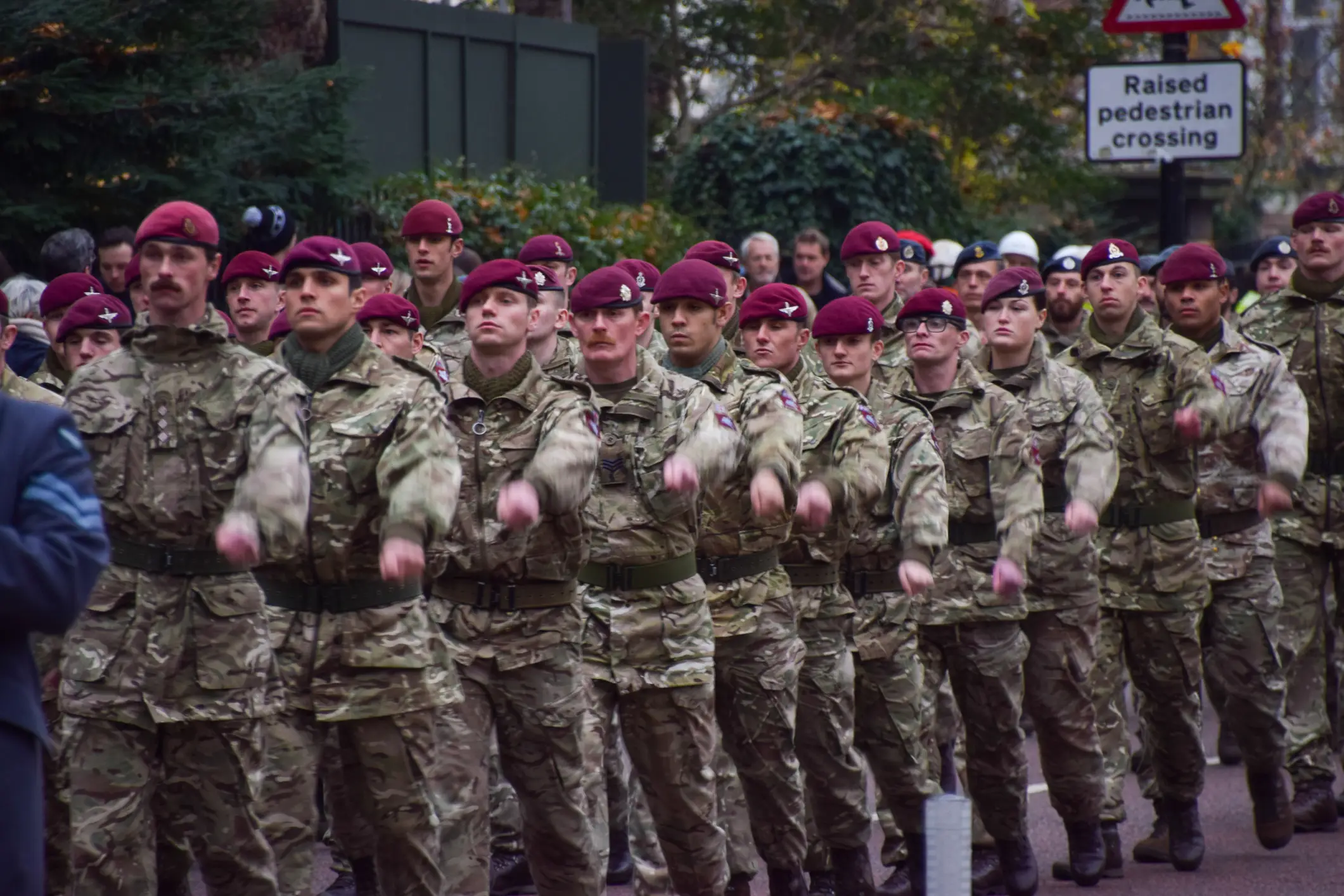
What will conscription actually look like?
Professor Anthony Glees, an expert on European affairs from The University of Buckingham spoke to The Mirror about the possibility of national conscription.
It was recently revealed that the five groups of people who would serve first, in the order they would be called up, are:
- Young, fit men
- Single people with no children
- Women
- Ex-soldiers and reservists
- Older people (people up to the age of 51 were required to serve in the military by the end of WW2)
Professor Glees believes that conscription is 'one of the most important and cheapest ways we have of countering and addressing' threats to the UK.
He added: "A well-trained, resourceful UK land army of young and spirited Brits will deter Putin where nukes fear to tread, because as his attack on Ukraine shows, our nukes do not deter him, any more than his nukes deter Ukraine."
The expert then explained how conscription could look like for the youth of today.
Cyber training
Glees noted that 'not everyone should undergo military training', but explained: "Cyber skills, for example, for offensive and defensive purposes, are a form of weapons training."
He went on: "Those who are up for proper military training should be given it. The EU, the UK and Norway have a population of 523m, more than three times as large as Russia with 144m. Our joint GDP is $24tr compared with Russia's $2tr."
Defence Secretary John Healey previously spoke about 'new opportunities' for young people to learn from the Armed Forces, adding that when young people consider their futures, he hopes they think of 'the outstanding opportunities on offer in our Armed Forces'.
Incentives
Those under the age of 25 could be tempted by the chance to get a step ahead in life, as Glees said that there would be 'fabulous inducements' which would come with even one year of national service.
He listed cheap loans for mortgages, free university and college places as potential incentives.
Glees said that Starmer spoke of the need to 'use national security to strengthen our country', adding that it extends beyond AI and IT, explaining: "It is our young people who need to understand that their future liberty relies on their willingness to serve. That is where conscription comes in."
'Strong land army' over nukes
Glees believes than any European War will be fought with 'conventional means, not nukes', as they are 'last resort weapons'.
He claims that this means that a 'strong land army' would be more crucial than a nuclear line-up, though Glees said that 'we could destroy Russia in the bat of an eyelid'.
The expert said this could result in the UK being decimated in response though, explaining: "A future war in Europe (just like the current war in Ukraine or the war between Israel and Iran) will be fought with conventional means, not nukes.
"Nukes are last resort weapons...
"We need a strong land army to keep our shores safe, not least from the very things the (Strategic Defence) Review outlines, which include the key demand that we properly protect our borders, which we are not doing at the moment."
Topics: Keir Starmer, UK News, Army, Politics, World News
 Joshua Nair