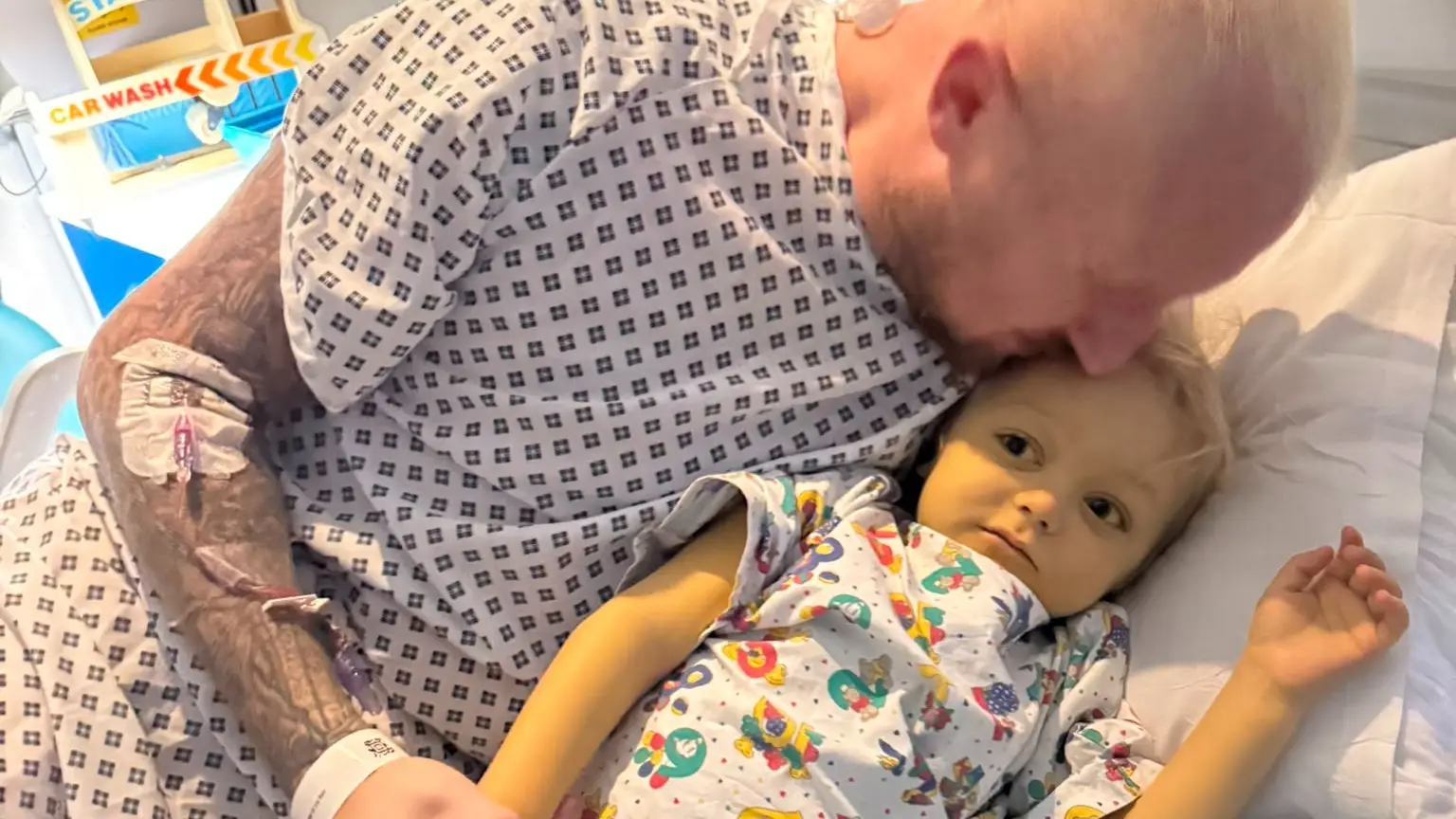
Hero dad loses six stone to undergo 'extremely rare' transplant to save son's life

A father who lost six stone so he could donate part of his liver and bowel to his son in an ‘extremely rare’ transplant says it is ‘the greatest privilege’ of his life.
Harry Jackson, six, was born with a rare abnormality of the bowel called malrotation which occurs when the baby is developing in the womb.
Malrotation carries a life-threatening complication known as volvulus, which occurs when the bowel twists so the blood supply to that part of the organ is cut off.
Little Harry has also developed an intestinal failure-associated liver disease (IFALD), a progressive liver condition that is caused by years of receiving an intravenous form of feeding to manage his condition.
Advert
Harry’s parents Annie and Gary, from Cambridge, were told by medics that the youngster needed a transplant and immediately signed up to see if they were a match.
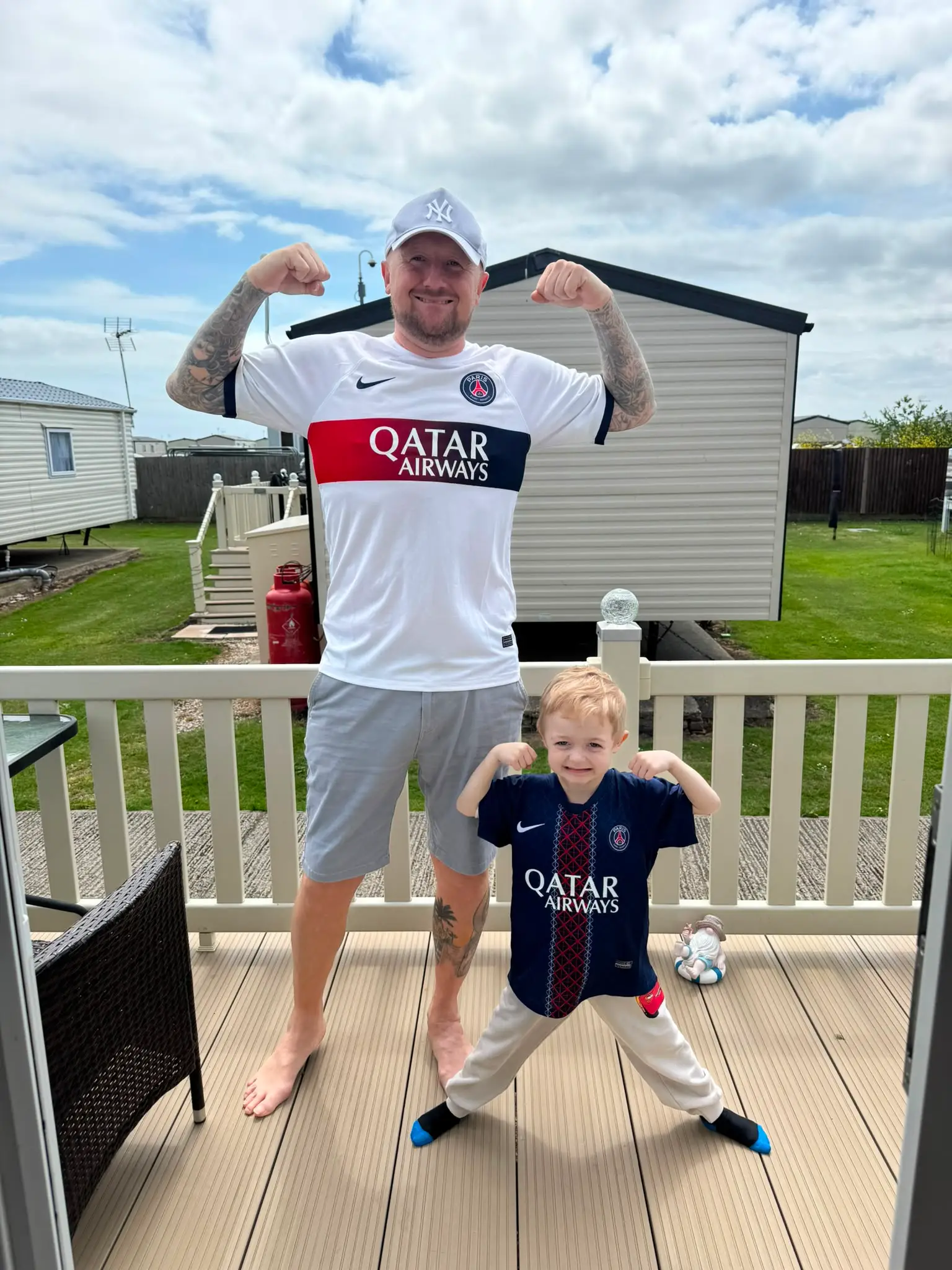
'You’d give your child anything in a heartbeat'
Annie said: “When Harry was diagnosed with malrotation, we always knew that a bowel transplant would likely be part of his journey one day.
“We just hoped that day would be many years away. When his liver began to fail because of the total parenteral nutrition keeping him alive, everything changed.
“Suddenly we were faced with the reality that he needed both a liver and bowel transplant much sooner than we had ever imagined.
“There are hundreds of children like Harry waiting for the phone call that could save their lives.
“As parents, you feel completely helpless watching your child wait for something so uncertain.
“The thought that one of us might be able to donate and give Harry that chance was something we wanted to explore immediately. If there was any possibility we could help him ourselves, we had to try.”
After weeks of tests and assessments, his parents were told that dad Gary was a 98 percent human leukocyte antigen (HLA) match with Harry, meaning their immune systems were incredibly similar and he would be an ideal candidate for transplant.
“When you’re a parent, you’d give your child anything in a heartbeat,” he said.
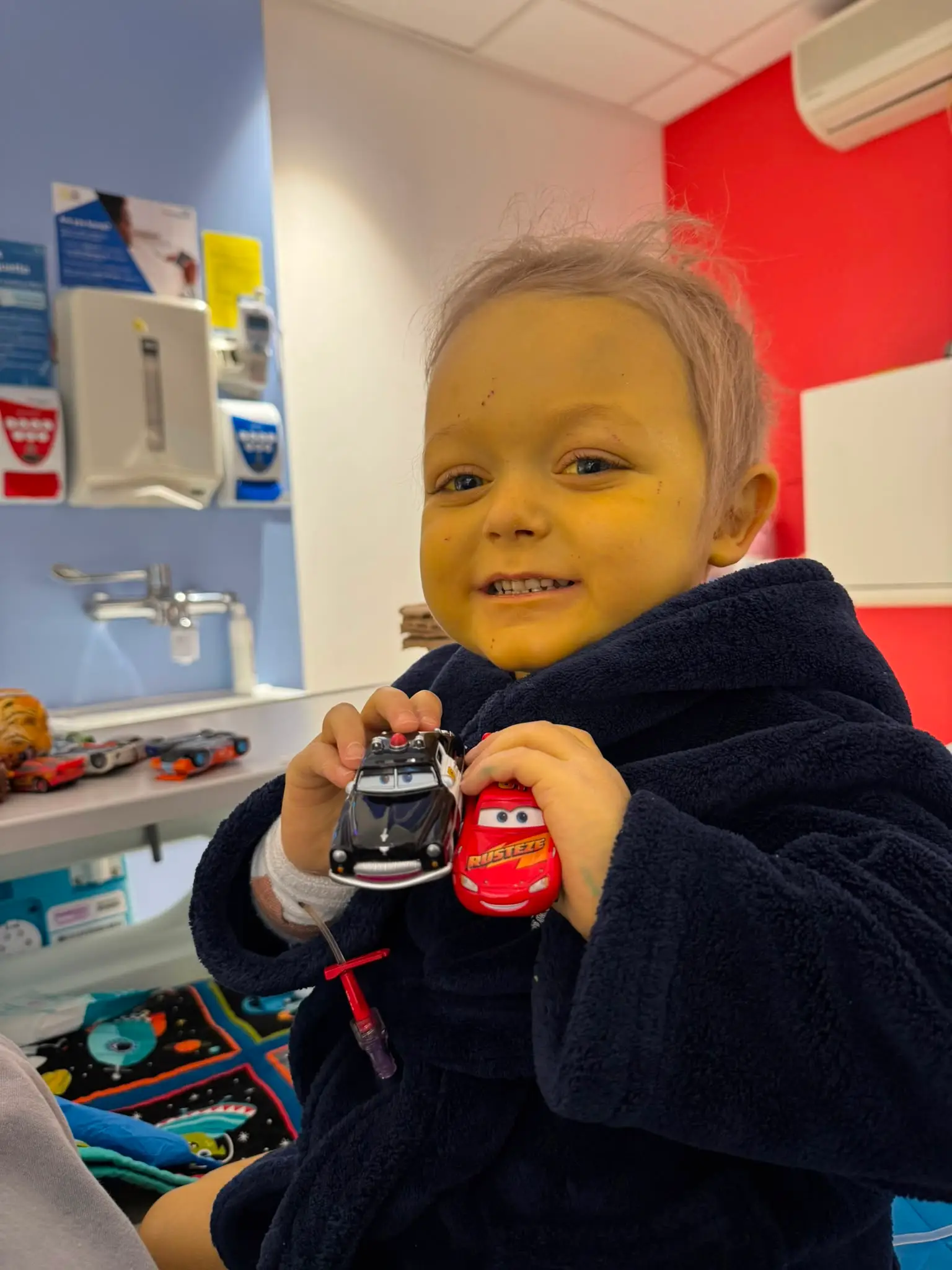
'Every challenge felt worthwhile'
“So when I was told I could donate part of my liver and bowel to Harry, there was never a decision to make.
“I was just incredibly grateful that I had the opportunity to do something that could help save his life and give our little boy a second chance.”
In the run-up to the life-changing surgery, Gary had to make sure he was as fit as possible so things went smoothly.
But in January last year, the operation went ahead at King’s College Hospital in London, with Harry thought to be one of only 10 children worldwide to have the procedure.
Gary continued: “The journey to surgery wasn’t easy. I had to lose six stone, follow a strict diet, completely give up alcohol and stay focused for months to make sure I was healthy enough to donate.
“It was physically and mentally demanding but every challenge felt worthwhile because it meant I was one step closer to helping Harry.
“The operation itself lasted 17 hours and my recovery took around six weeks. It was tough, but nothing compares to seeing Harry looking healthier and stronger afterwards.
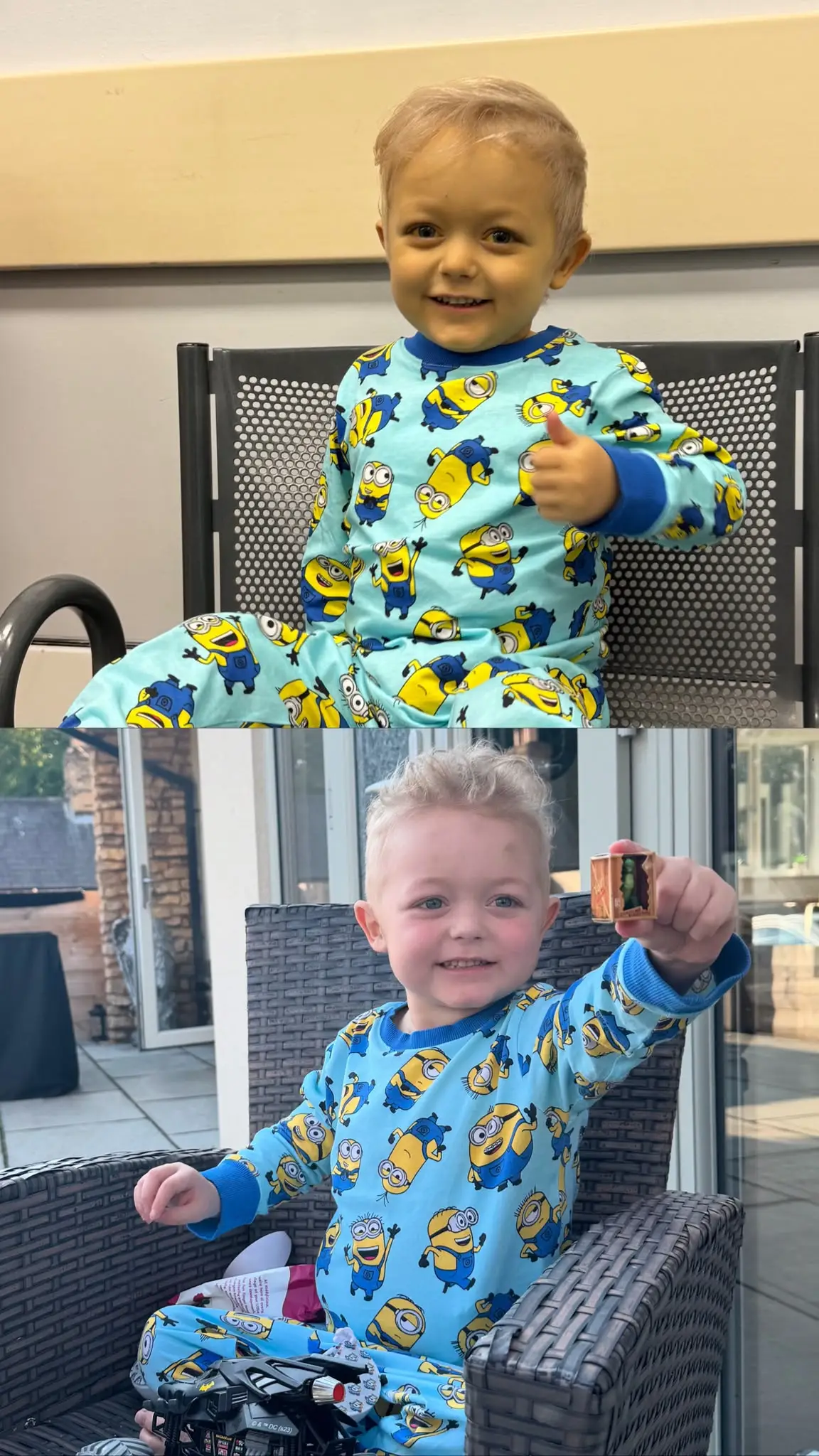
“Watching him recover and knowing that I had been able to play such a significant part in giving him that chance is something I’ll never be able to put fully into words.
“It remains the greatest privilege of my life, and I would do it all again without a second thought.”
Currently, around three in 100 liver transplants performed in the UK are from living donors and the majority of these are for children.
Professor Nigel Heaton, consultant transplant surgeon at King’s, who was part of the team that operated on Harry, said: “From the first meeting, it was very clear that Gary was set on doing all he could to help Harry recover.
“He took the idea of living donation very seriously and reduced his weight through healthy eating and exercise.
“The surgery was performed through a vertical scar in the upper abdomen and removed about 20 percent of Gary’s liver and one and a half metres (4-5ft) of the small bowel (normal length 20ft).
“Gary was always positive and uncomplaining, and recovered very quickly.”
This year marks 60 years since the King’s liver unit was set up and it has performed over 300 living donor liver transplants.
Just three NHS centres in the UK provide this service (King’s, Leeds and Birmingham).
 Claire Reid