Doctor says worrying rise in serious liver condition is 'not down to alcohol'

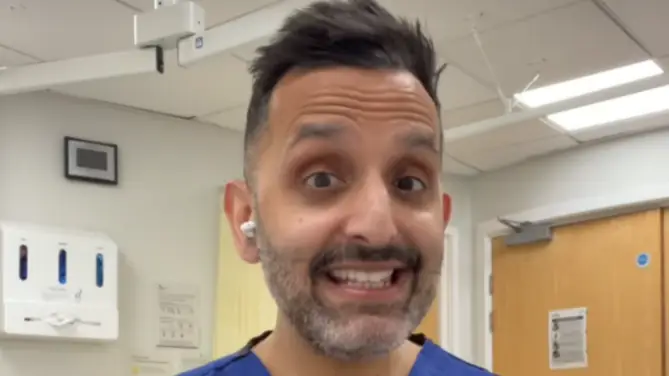
A doctor has warned that he's seeing an increase in cases of a serious liver condition which he stresses is 'not down to alcohol'.
Many people would reckon that if there's liver damage in a person then it was probably to do with alcohol but that's not always the case, as Dr Amir Khan (not to be confused with the boxer of the same name) spoke about another danger.
Describing a person's blood sugar and liver as 'basically best friends', the medic explained how that relationship could turn 'toxic' and cause problems for a vital organ.
He said: "Every time your blood sugar rises, your body releases insulin. Insulin's job is to move sugar out of your blood and into your cells.
Advert
"But if your blood sugar is high all the time, lots of sugary foods, refined carbohydrates, snacking all day long, your body stops responding to insulin properly."

Dr Khan continued: "That's what we call 'insulin resistance'. Here's where the liver comes in, your liver starts taking all that extra sugar and actually turns it into fat. This process is called de novo lipogenesis.
"Literally, it means making new fat. At the same time, insulin is telling your body not to burn fat so even more fat ends up getting delivered to the liver and slowly fat starts building up inside of your liver cells.
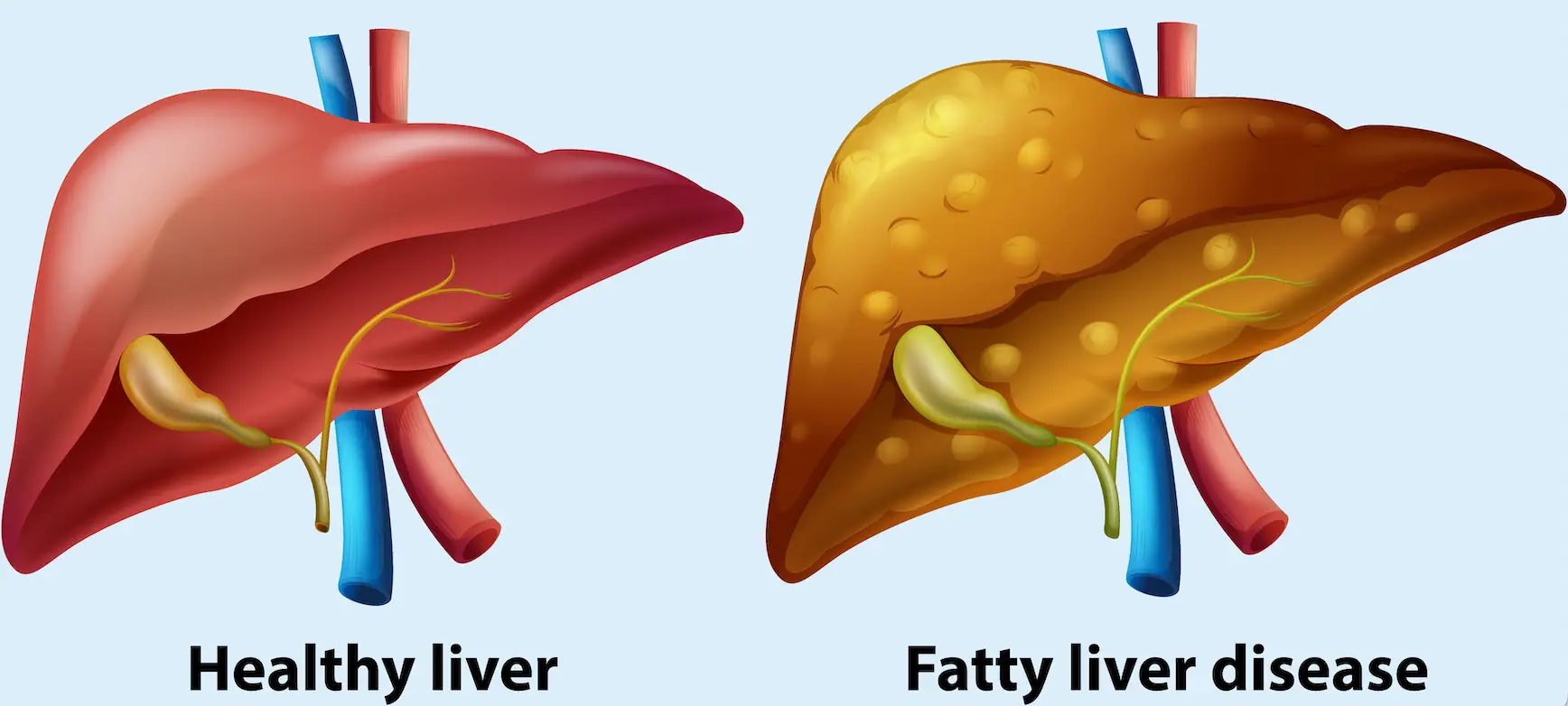
"Over time that can lead to inflammation damage and a condition called non-alcoholic fatty liver disease. Most people don't even know they've got it."
Non-alcoholic fatty liver disease is pretty common in the UK, according to the British Liver Trust, it's estimated to affect up to one in five people.
Is non-alcoholic fatty liver disease reversible?
Fortunately, the doctor had some good news as he explained the damage was 'often reversible' and there were things you could do to help deal with it.
One of his key health tips was losing between five and 10 percent of body weight, as Dr Khan said shedding a bit of weight could 'significantly reduce liver fat'.
Another tip was to 'move your body every day, even if it's a brisk walk' as the doc explained that getting active for a portion of the day would 'improve how your body handles sugar'.
Since eating lots of sugar and foods with processed carbohydrates caused a lot of this liver damage, cutting them from your diet or at least reducing your consumption of them would help.
Dr Khan identified things high in fructose like fizzy drinks as prime targets to ditch from your diet, as research into drinks with ingredients like high fructose corn syrup found they could raise the risk of fatty liver disease by as much as 50 percent.
It may be advice you've heard many times before, but the doctor said a focusing of the diet onto healthier options like 'whole foods, fibre, protein, healthy fats' would be just the ticket.
While alcohol isn't the cause of this form of liver harm, Dr Khan did say people should 'limit your alcohol' because that organ is already dealing with a lot with all the sugar going through it, so it'd be best not to overburden the poor thing.
Getting a good night's sleep was also crucial as it helped with your body's ability to deal with sugar, while the doctor also said the liver was a very 'forgiving' part of the body if you were willing to 'give it a chance'.
What are the symptoms of non-alcoholic fatty liver disease?
According to the NHS, there are some warning signs of the disease even if they note, much as Dr Khan did, that many people don't even know they have it.
Explaining that most people diagnosed with non-alcoholic fatty liver disease get it spotted while they're being checked for something else, the NHS said the following symptoms were tied to the condition:
- Feeling very tired
- Feeling generally unwell
- Liver pain or discomfort, which is felt in your tummy (abdomen) under the right side of your ribs
The site said the people most likely to get non-alcoholic fatty liver disease were overweight with fat around their waist, over 50, not physically active or consuming a healthy diet, have type 2 diabetes, polycystic ovary syndrome, high blood pressure or high cholesterol.
Topics: Health, Food And Drink, NHS
 Joe Harker