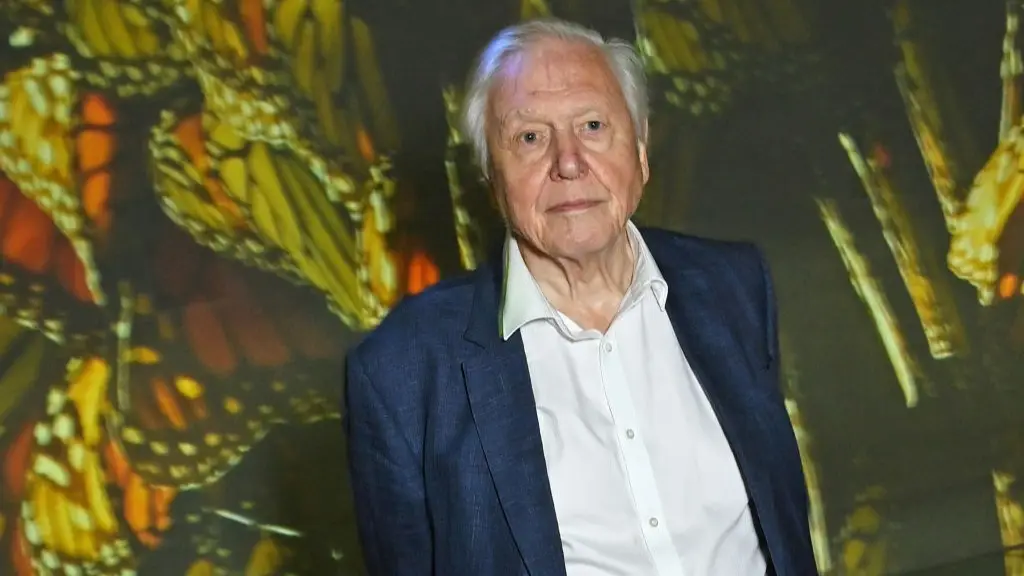
David Attenborough has worrying 2030 global prediction that could devastate the world

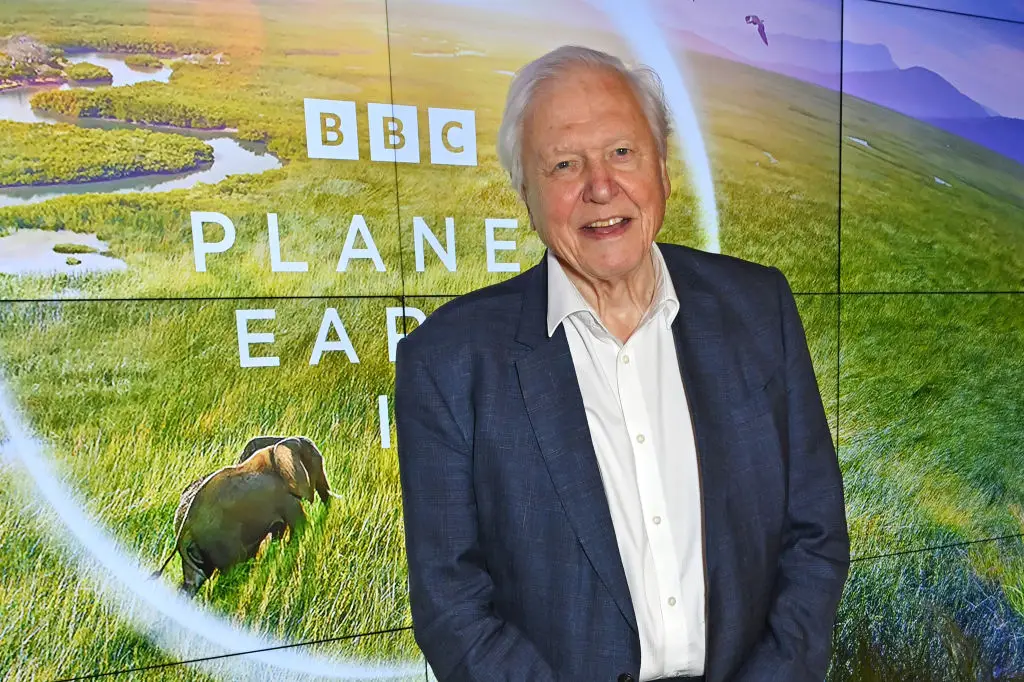
Broadcasting legend and icon of the natural world, Sir David Attenborough turns 100 this week.
A star-studded celebration is set to be held at the Royal Albert Hall later this month, on May 8, with plenty of celebrities and musicians performing music from some of Sir Attenborough's documentaries and shows.
The likes of Dan Smith from Bastille will be performing songs from the Planet Earth soundtrack, as well as other tunes the many shows Attenborough has featured in throughout his illustrious career which spans more than 60 years.
A certified national treasure, the broadcaster made some worrying predictions about where our planet is heading if nothing changes in the way we treat the world.
Advert
Back in 2020, he released a film called A Life On Our Planet, in which he forecasted what Earth will be like in the 2030s and beyond, and here are some of his predictions.
Our water cycle will be ruined
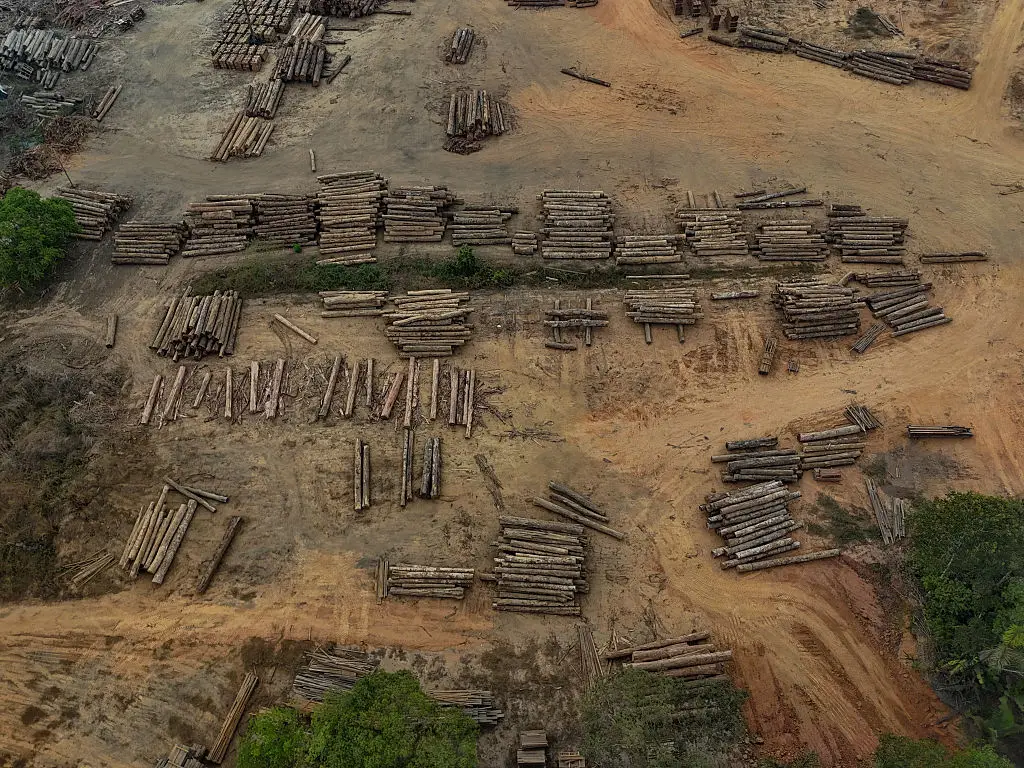
Sir Attenborough predicted that if deforestation in the Amazon rainforest continues at the same pace, it will eventually be unable to produce enough moisture and humidity.
This in turn would transform what was once a lush, green rainforest into bone dry savannah conditions.
This would destroy the incredible biodiversity and the scope of wildlife and plants found in the rainforest, and it will also alter the global water cycle.
Global warming will accelerate
In addition to the rainforest turning into a desert, it will have another knock on effect.
The Arctic will start to suffer from ice-free summers.
As well as being an alarming change to the landscape, this has huge repercussions elsewhere.
Without the white ice caps, much less of the sun’s energy will be reflected back into space.
This in turn will accelerate global warming.
If left unchecked, by the 2040s, the frozen permafrost soils will thaw, which will then release hugely harmful methane into the atmosphere.
The oceans will heat up
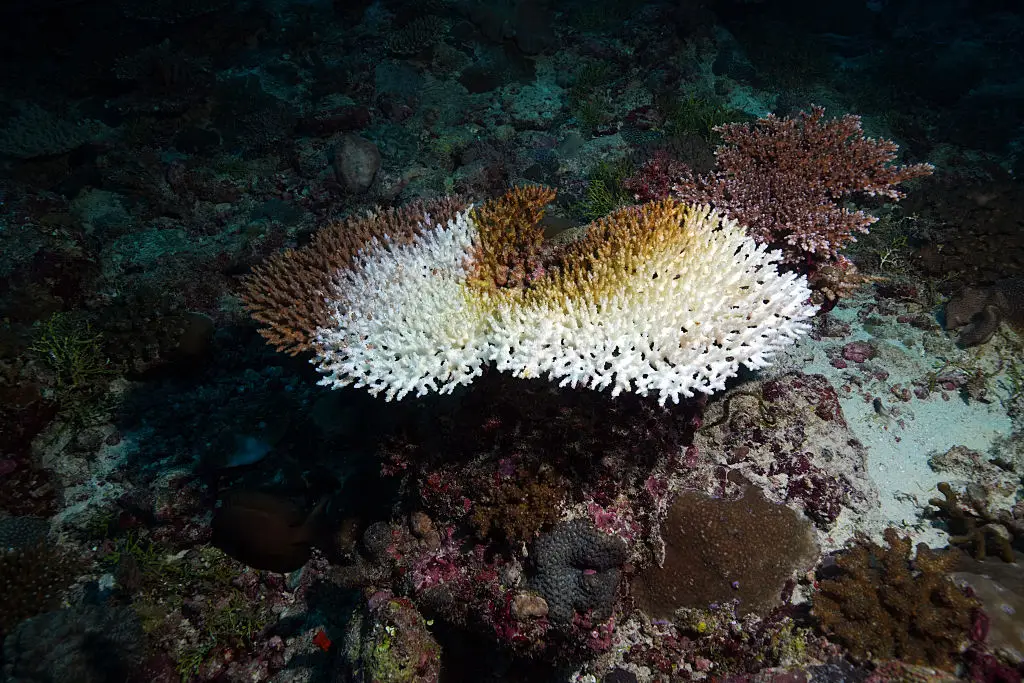
By the 2050s, if nothing changes our oceans will continue to heat, and will become more acidic too.
This heating and change in acidity will cause vital coral reefs to bleach and die.
If the coral reefs die, huge populations of fish will also be wiped out.
There will be a food production crisis
Into the 2080s and beyond, soil will start to become exhausted by overuse, leading to a decline in crop production.
Insects that are vital for pollination will also disappear.
Weather trends will become more violent and unpredictable, and the planet will be four degrees Celsius warmer.
From 2100 onwards, scientists are predicting that the 'sixth mass extinction' will be underway, and damage will be irreversible.
What can be done to prevent it?
Sir Attenborough says there are several crucial things left that can be done to try and reverse existing damage, and prevent any of the above from coming to pass.
One thing is to stabilise the global population and to try to slow the rate that the population is growing.
This can be helped by improving healthcare and reproductive healthcare globally, and by enabling children to stay in school for as long as possible.
The next vital step is switching to renewable energy, and move away from fossil fuels.
Rewilding our planet and increasing biodiversity is also key, Attenborough says.
If we all ate more plant-based food, we would use half the land we do now.
Using fewer pesticides and fertilisers are also key, as well as ending deforestation.
Topics: David Attenborough, Environment, Global Warming, Science
 Jen Thomas