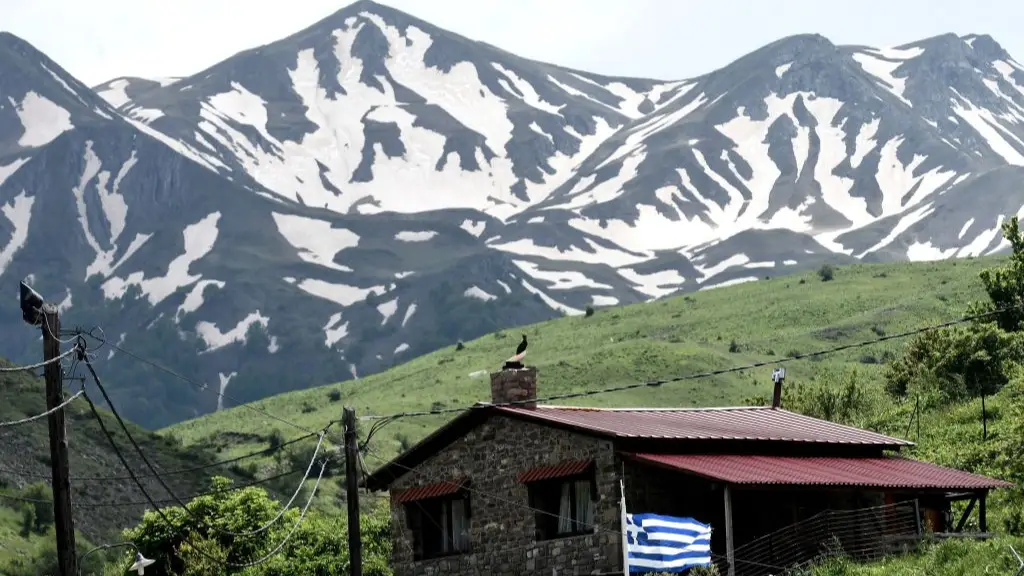
Cambridge scientists make worrying global discovery on Greek mountain top

It's almost a common consensus that things on planet Earth have gotten worse over the past few decades and that can be applied to a lot of different things.
While young people are less than happy about the rising costs combined with minor increases in pay, we're also pretty worried about the state of the planet and how it might soon become uninhabitable.
Climate change isn't mentioned as much as it once was but it's still a huge problem for many, with the massive increase in artificial intelligence use also having a particularly bad impact on the planet.
If the melting of the ice caps wasn't evidence enough, scientists from Cambridge have now identified just how much snow has disappeared from a Greek mountain range across the past 40 years.
Advert
Using a combination of satellite imagery, climate data and artificial intelligence, the researchers identified that snow cover in the Mediterranean mountain range has decreased by a staggering 58 per cent over four decades.
In their published results in The Cryosphere, the scientists suggest that this dramatic change has been driven by increasing temperatures, and also explained why the loss of snow can be so damaging.
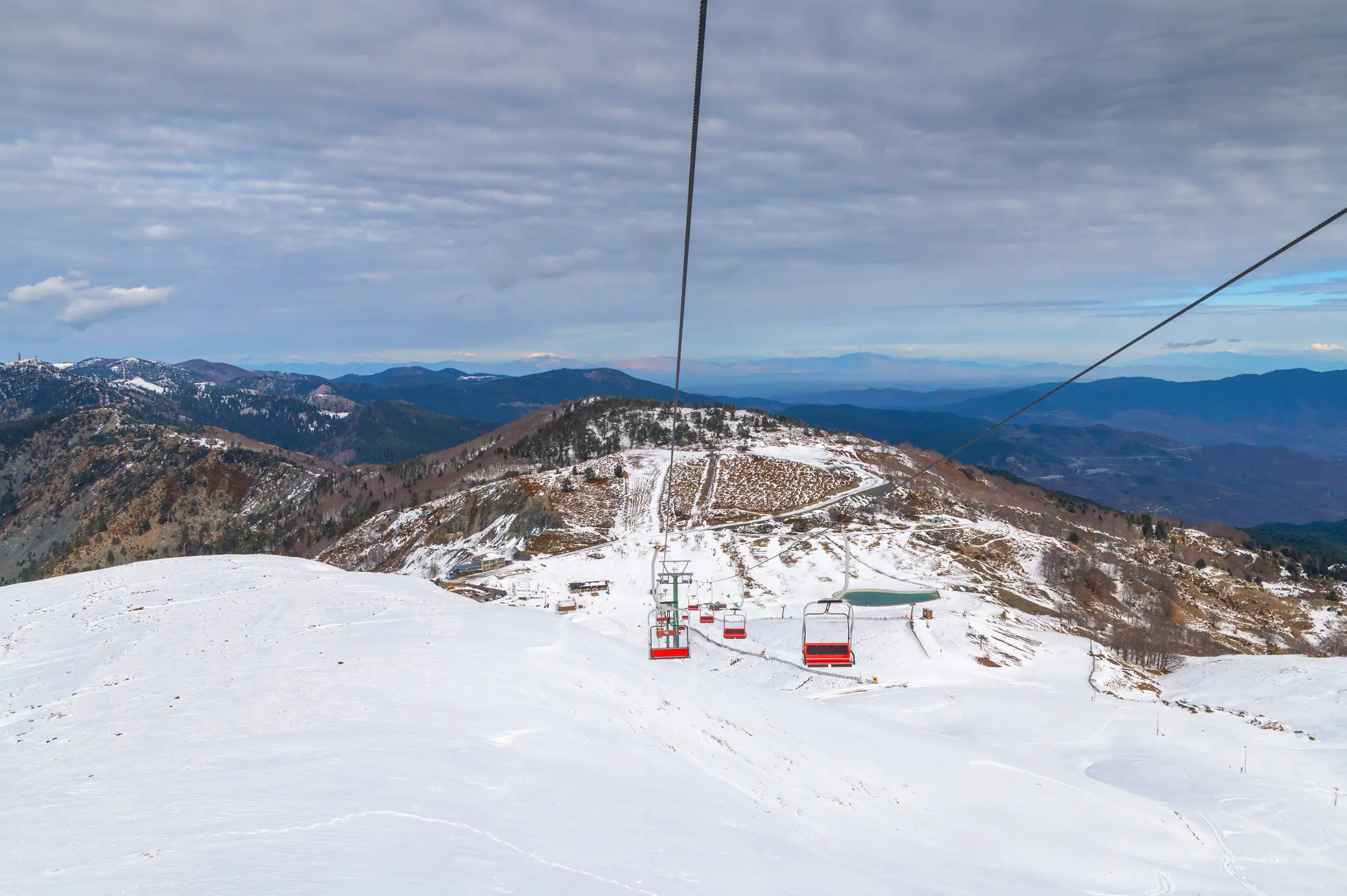
“Snow is like a natural reservoir,” said first author Konstantis Alexopoulos from Cambridge’s Scott Polar Research Institute (SPRI). “It’s sort of like putting money in your savings account versus spending it right away. If you store that money away for a while, it collects interest and is worth more when you need it.
"And because snow slowly melts instead of washing away like rain, it’s very valuable – for irrigation, hydropower generation, and household water needs – during the hot and dry summer months, as it keeps rivers, lakes, and groundwater topped up.”
Their results also made it clear that the snow season is starting later and ending earlier as the temperatures remain higher as we approach the colder months, which is another concern for people in the local area who depend on the snow preserve.
“It’s vital to understand how snow processes are changing, yet most mountain ranges around the world don’t have much ground-based monitoring,” said Alexopoulos.
"Our model is here to solve that problem, since it can work accurately for regions without any local ground-based information at all," he added.
Despite the world leaders meeting annually at the United Nations Climate Change Conference, little progress has been made in recent years to amend the way of life we have become accustomed to, as it continues to damage the planet, with Sir David Attenborough also pleading with people for change.
“Temperature controls how much of the precipitation will fall as snow rather than as rain, and how long-lived that snow will be once on the ground,” said co-author Professor Ian Willis, also from SPRI. “So as temperatures continue to rise, less snow will build up on the ground to begin with, and what does accumulate will melt faster too.”
Greece has been particularly hard hit by climate change, with winter temperatures rarely dropping below zero, meaning that the snow reserves which once helped to protect against droughts are quickly disappearing.
Topics: Environment, Global Warming, Science
 James Moorhouse