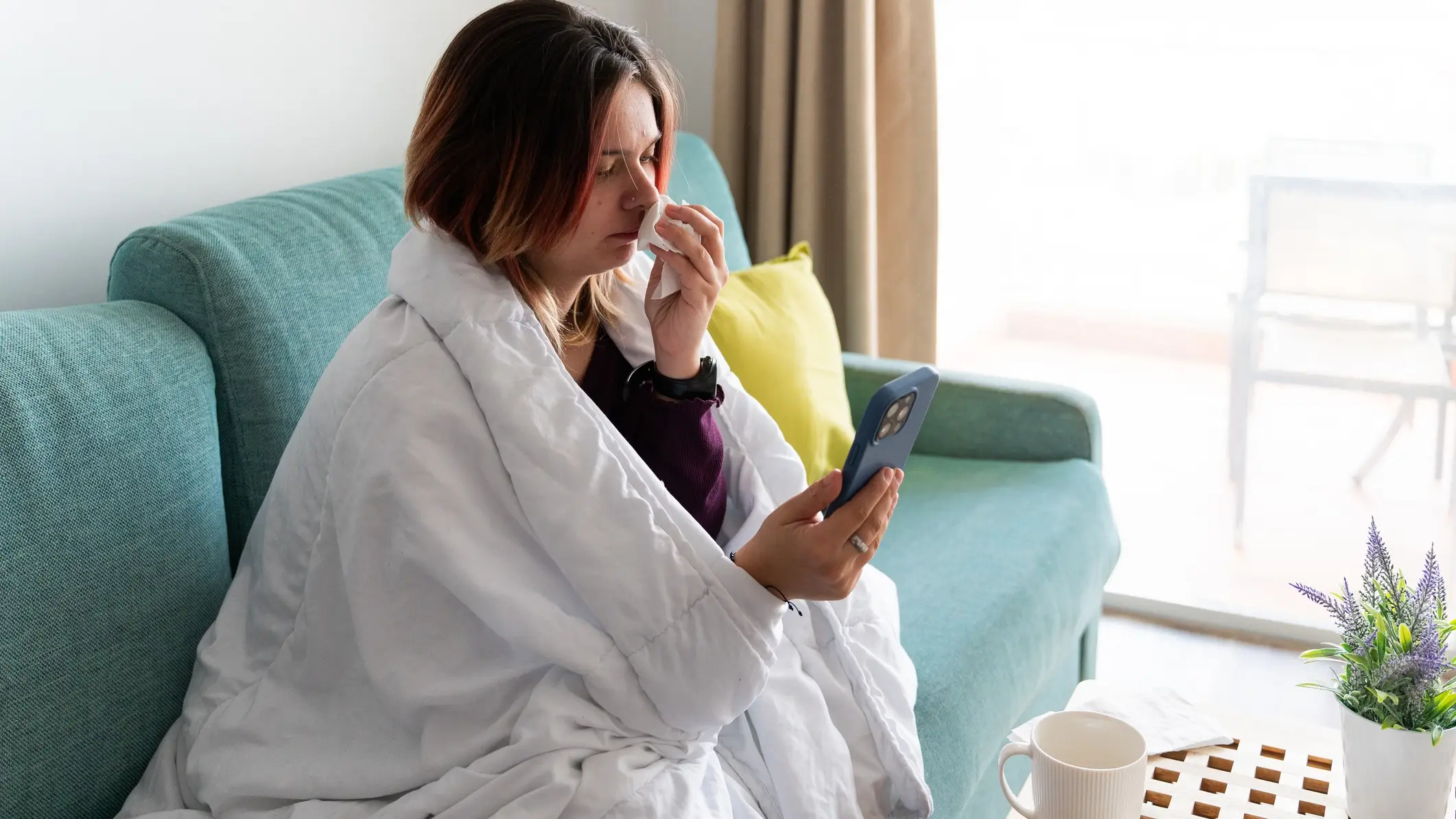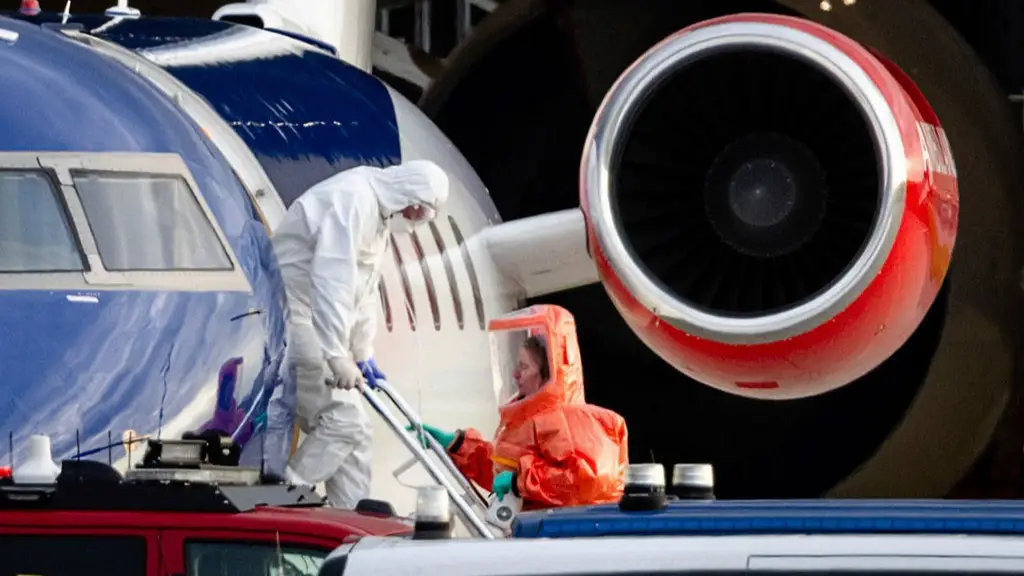
Former health chief warns another pandemic 'will happen' as hospital admissions for flu almost double

Another pandemic 'will happen', according to the former Chief Executive of the UK Health Security Agency.
During an interview with Sky News, Jenny Harries told Cathy Newman that a national pandemic has been assessed as both likely and catastrophic in the 2026 National Risk Register, meaning that it is 'right at the top of the agenda' when it comes to health care concerns.
"It will happen," she added.
Although Harries did not give a specific timeline for the risk of a potential pandemic or mass outbreak, her warning comes amid an early spike in hospital admissions caused by flu cases.
Advert
According to recent UKHSA figures, hospitalisations for flu currently stand at 9.0 per 100,000 within the last week, nearly doubling from the previous week's 5.0 per 100,000.

Meanwhile, admissions for the same week in 2025 stood at 4.9 per 100,000.
"What we’re seeing is that sharp rise is coming in a few weeks earlier than we saw this time last season, but last season was the earliest season that we’d seen for over 20 years," Dr Suzanna McDonald, national lead for the flu programme at the UK Health Security Agency (UKHSA), explained in a recent interview on BBC Radio 4’s Today programme.
"What we’re seeing is that sharp rise is coming in a few weeks earlier than we saw this time last season, but last season was the earliest season that we’d seen for over 20 years," she continued.
"So this is very early to be seeing such high demand in hospitals."
The dominant strain of flu currently circulating is believed to be a type of flu A called H1N1.
If that name sounds familiar to you, it's because the strain was the same one which caused the 2009 outbreak.

According to Mayo Clinic, specific symptoms associated with the H1N1 strain are similar to those of most flu strains, which include:
- Fever and chills
- A high temperature
- Headache
- Body aches
- Fatigue and Weakness
- Shortness of breath
Most people begin to show symptoms around one to two days after being exposed to the virus.
According to the NHS, the treatment for most cases of flu involves resting at home, regular hydration and taking paracetamol or ibuprofen to treat a fever as well as aches and pains.
The virus is at its most infectious in the five days after becoming infected, so it's advised to stay at home as much as possible.
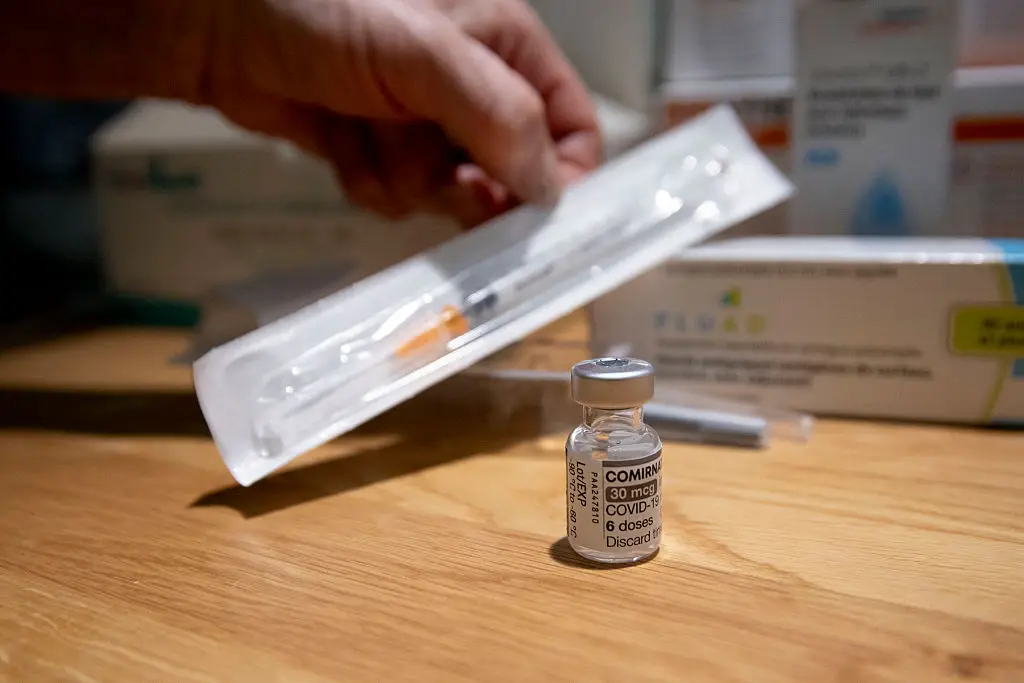
Health experts are also advising everyone who is eligible to get vaccinated, as the UK flu jab protects against the H1N1 strain.
"The H1N1 strain that we are seeing does seem to have picked up a few more changes than we would have expected over the season, which is what we saw last year," Dr McDonald explained.
"We would describe that as a drifted strain, but the really encouraging news was that, last year when we saw a drifted strain, the vaccine still worked very well," she added.
'We have no reason to think that isn’t the case this year as well, but we will have data on that very soon because as flu cases are starting to rise, we can see how well they’re working."
 Brenna Cooper