
When to seek medical help as NHS warns 'super flu' is presenting pandemic-level challenges

The current surge in 'super flu' cases in England is presenting the NHS with a challenge 'unlike any it has seen since the pandemic', according to health secretary Wes Streeting.
He described the health service as being in a 'precarious situation', warning that next week's doctors could be the 'Jenga piece that collapses the tower.'
It comes after reports that the number of patients being admitted to hospital with the vicious new strain of the flu has gone up by 55 percent compared to the previous week.
Experts recently identified the new strain as H3N2 or subclade K, which is believed to be causing more severe illness than previous flu strains, with symptoms occurring seemingly out of nowhere.
Advert
Concerns continue to mount, however, as the peak of the outbreak hasn't yet hit, meaning hospitalisations will continue to rise until then.
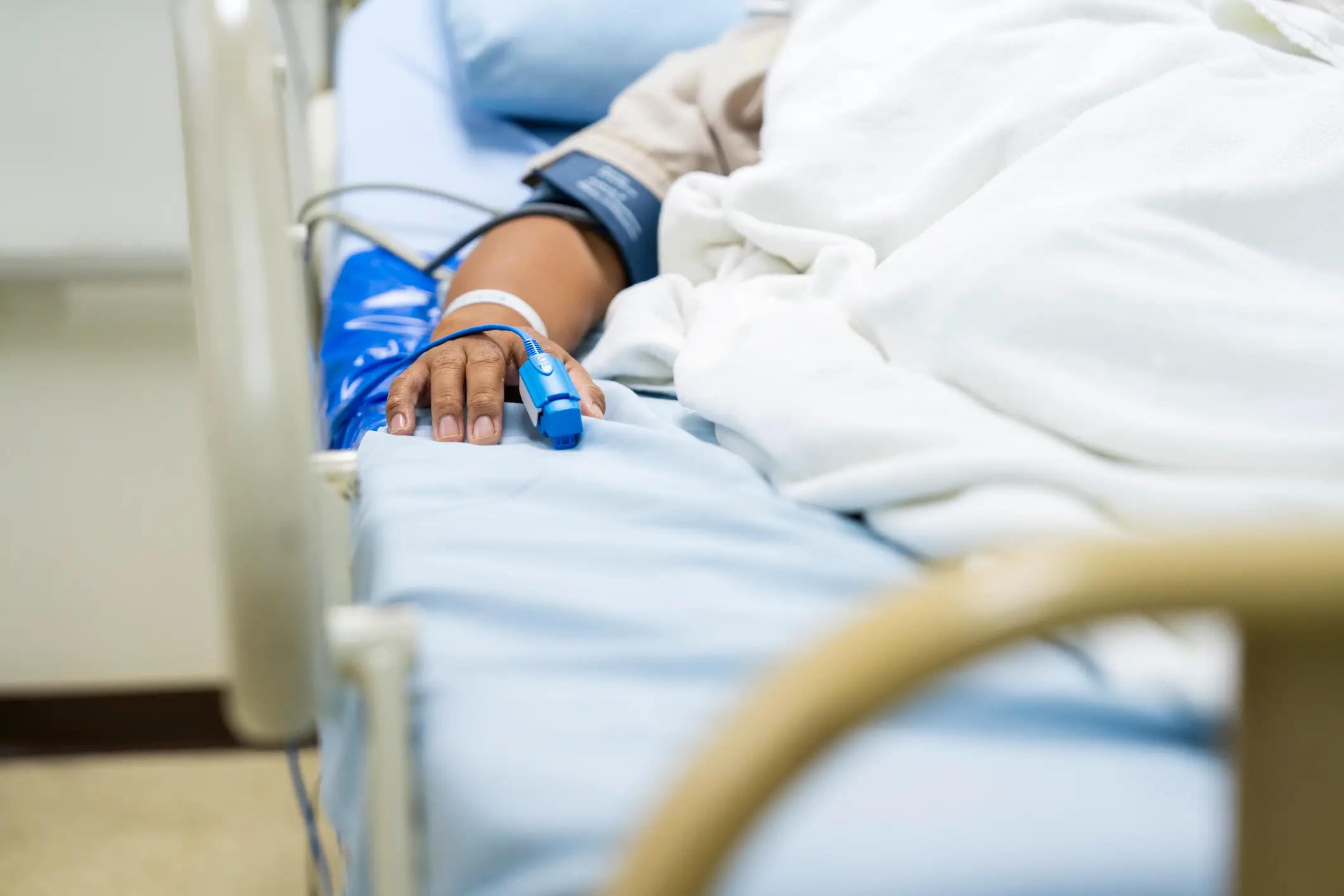
Writing in the Times, Streeting said the number of people being admitted 'could triple by the peak of the pressures', adding 'the NHS doesn't know when the peak will hit'.
His comments come after the country's leading doctor said the health service is currently facing 'worst case scenario' over the sudden flu outbreak.
"With record demand for A&E and ambulances and an impending resident doctors strike, this unprecedented wave of super flu is leaving the NHS facing a worst-case scenario for this time of year," NHS England's national medical director Meghana Pandit said.
Despite the concerns, NHS London's medical director Chris Streather has suggested professionals should be careful with the language they use so as not to stoke fear among the public.
He said the scale of the current problem is 'nothing like the 2020 pandemic', adding that 'the NHS is coping at the moment', but admitted that flu rates are increasing and they can't say when it will peak.
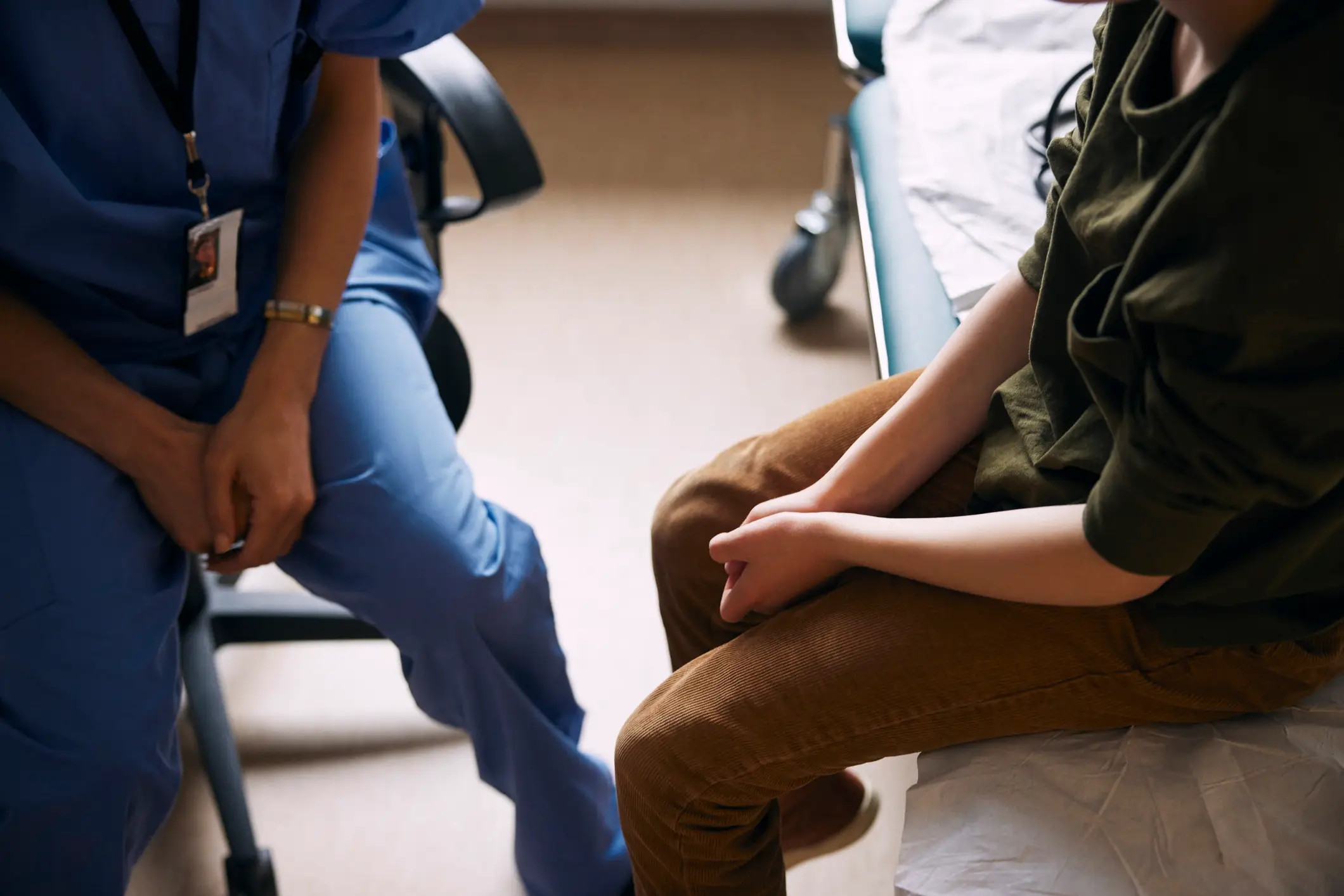
When to seek medical help for the 'super flu'
With fears over how the NHS will cope, many people might feel like they may be some kind of burden on the health service if they reach out for help, so it's important to know what to look out for when you should seek medical advice.
According to the NHS website, if you or your child have symptoms of the flu, you should request an urgent GP appointment if you are concerned about any of the symptoms, are 65 or older, are pregnant or have a long-term medical condition. You should also seek an appointment if you have a weakened immune system or your symptoms persist for more than seven days without improving.
If you're unsure, you should always phone 111 for further advice.
The NHS states that if you experience sudden chest pain, have difficulty breathing or start coughing up blood, you should call 999 or get someone to drive you to your nearest A&E.
If you do not feel like you need medical attention but need some support, you can also reach out to your local pharmacist for advice on what medications you can take to help your symptoms.
 Emma Rosemurgey