
Super flu hotspots across the UK as NHS faces 'nightmare scenario'

The towns and cities facing the biggest influx of flu cases has been revealed, as hospitals are braced for a 'tidal wave of flu' sweeping through the UK.
Feeling yourself getting ill over the past couple of days? You're not alone, as an aggressive strain of flu is currently making its way through the UK.
In most cases flu is often treatable at home with rest, over-the-counter medication and hydration. However this particularly gnarly strain, dubbed H3N2, has led to a rise in patients seeking hospital treatment across the country.
According to figures released by NHS England earlier this month, an average of 2,660 patients were in a hospital bed with flu – a 55 percent rise on the previous week.
Advert
With the outbreak not expected to hit its peak for another month, health boss area warning that 'the NHS faces an extremely challenging few weeks ahead'.
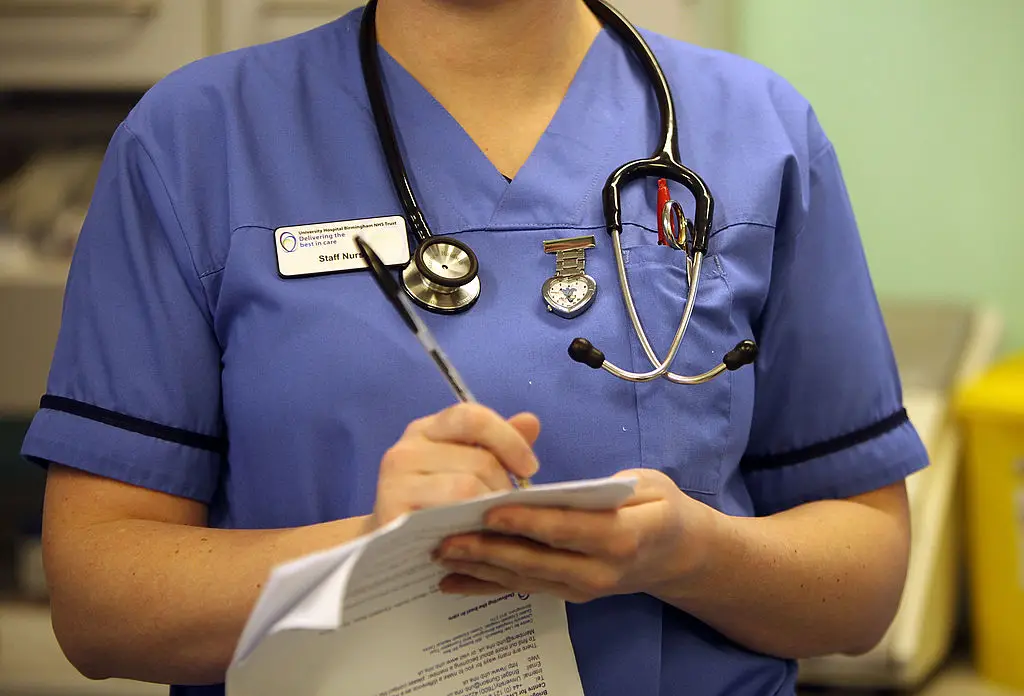
Areas in the UK with the worst super flu outbreaks
According to data compiled by The Mirror, the current hotspots for hospitalisations caused by super flu outbreaks are in towns and cities, with hospitals in Birmingham, Manchester, Sheffield and Leeds seeing high numbers of people seeking inpatient care for flu.
Birmingham topped the list for hospitalisations, seeing 217 patients hospitalised with flu in the week ending 7 December, while Manchester saw 109 hospitalisations, Sheffield 72 and Leeds 65
Meanwhile London's Whittington Hospital and Homerton University Hospital made up two of the top five hospitals which had the highest percentage of flu patients.
READ MORE
DOCTOR SAYS ONE SYMPTOM MEANS YOU'VE GOT COVID AND NOT THE FLU

Here is the full list of NHS trusts with the highest percentage of flu patients:
Whittington Health - 23 patients (9 percent)
University Hospitals Birmingham - 217 patients (8.4 percent)
Homerton Healthcare - 21 patients (7.9 percent)
Northern Lincolnshire and Goole - 45 patients (7.2 percent)
Dartford and Gravesham - 40 patients (7.2 percent)
North Tees and Hartlepool - 38 patients (6.7 percent)
The Hillingdon Hospitals - 26 patients (6.4 percent)
Croydon Health Services - 33 patients (6.4 percent)
Calderdale and Huddersfield - 45 patients (6 percent)
East Cheshire - 17 patients (5.9 percent)
University Hospitals of North Midlands - 83 patients (5.8 percent)
Blackpool Teaching Hospitals - 43 patients (5.6 percent)
County Durham and Darlington - (5.5 percent)
Countess of Chester Hospital - 29 patients (5.4 percent)
Bolton - 30 patients (5.4 percent)
Northumbria Healthcare - 46 patients (5.2 percent)
Barts Health - 85 patients (5.2 percent)
Barnsley Hospital - 24 patients (4.8 percent)
Manchester University - 109 patients (4.8 percent)
Airedale Trust - 19 patients (4.8 percent)
Sheffield Teaching Hospitals - 72 patients (4.7 percent)
Walsall Healthcare - 25 patients (4.5 percent)
What are the symptoms of superflu?
Symptoms for the H3N2 don't differ too much from most cases of flu or common colds, which includes: tiredness, body aches, fever, sore throat, headaches and a dry cough.
However experts have revealed the main difference is how quickly and severely symptoms develop.
 Brenna Cooper