Government responds after 'worst is yet to come' warning over fuel prices

The Government has issued a response after a former fuel company boss warned that the 'real crisis' is yet to kick in.
Nick Butler, previously vice-president for strategy and policy at BP, suggested that the 'worst is yet to come' after the Middle East ceasefire ends.
The professor predicted that the price of diesel could go up to more than £2 a litre by May following fuel shortage concerns.
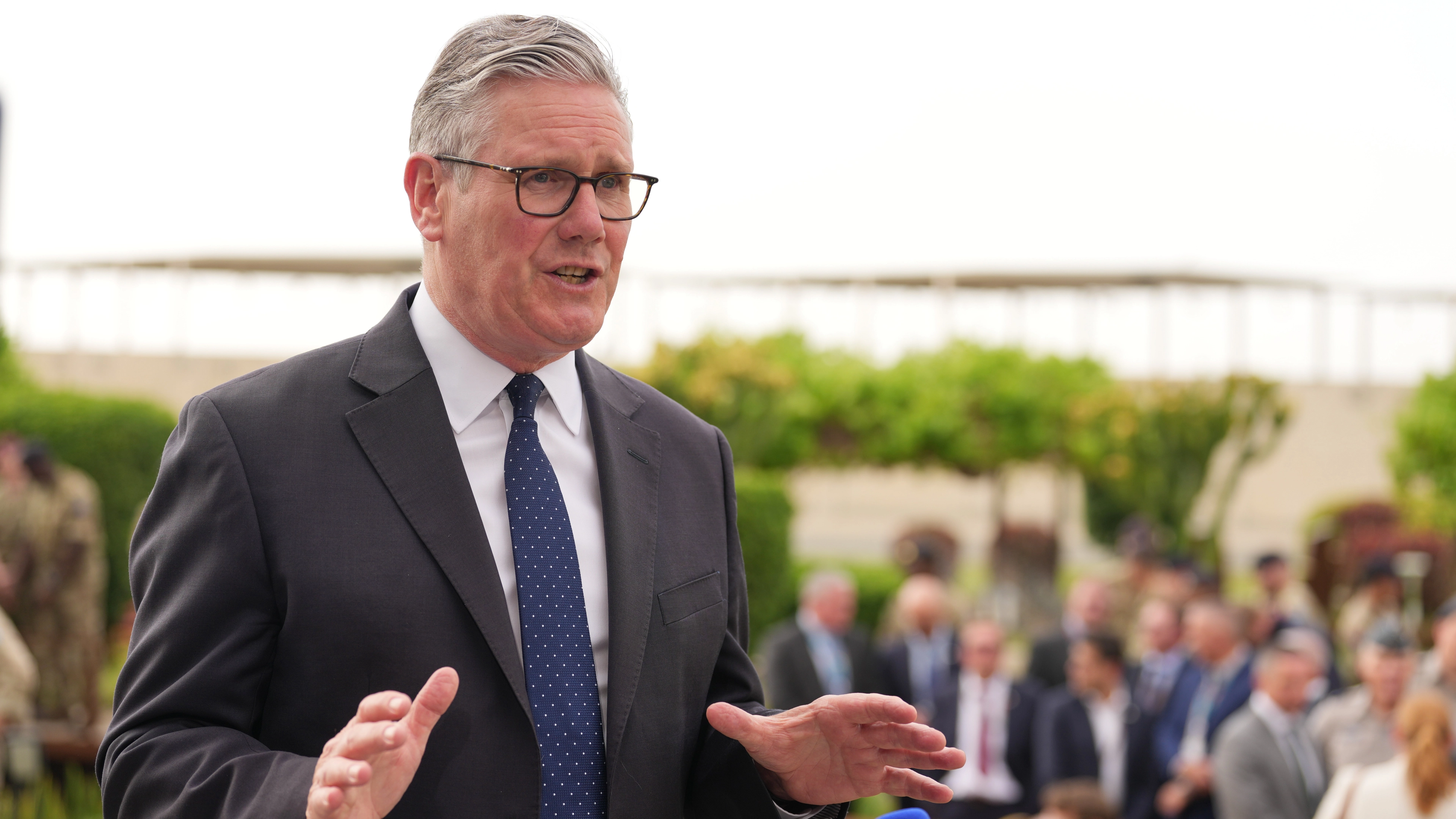
It comes after Keir Starmer recommended that car owners should try to work from home when possible.
Advert
"Some countries, I think particularly in Asia where the crisis has hit earliest, they're taking an extra day a week at home," Butler told Times Radio.
"People are being encouraged to work at home. And I think you have to test now whether there's a willingness.
"And as I read the behavioural science, people do respond. They don't all do it perfectly, but they respond if other people are responding."
He went on to say that 'the real crisis for Britain and for Europe will come at the end of April and in early May, when the real shortage will translate into both a physical shortage and a sharp rise in prices'.
"I don't think we've yet seen the full impact on prices of this loss of supply," Butler, who was adviser to Gordon Brown when he was prime minister, added.
The government, however, has insisted that there is currently enough fuel to go around.
In a statement to Manchester Evening News, a spokesperson for the Department for Energy Security and Net Zero (DESNZ) said: "Petrol stations in the UK are being supplied as normal and we have a diverse and resilient supply."
They noted that 'both the AA and Fuels Industry UK have been clear that fuel production and imports are continuing across the UK as usual with no issues being reported'.
How much is fuel?
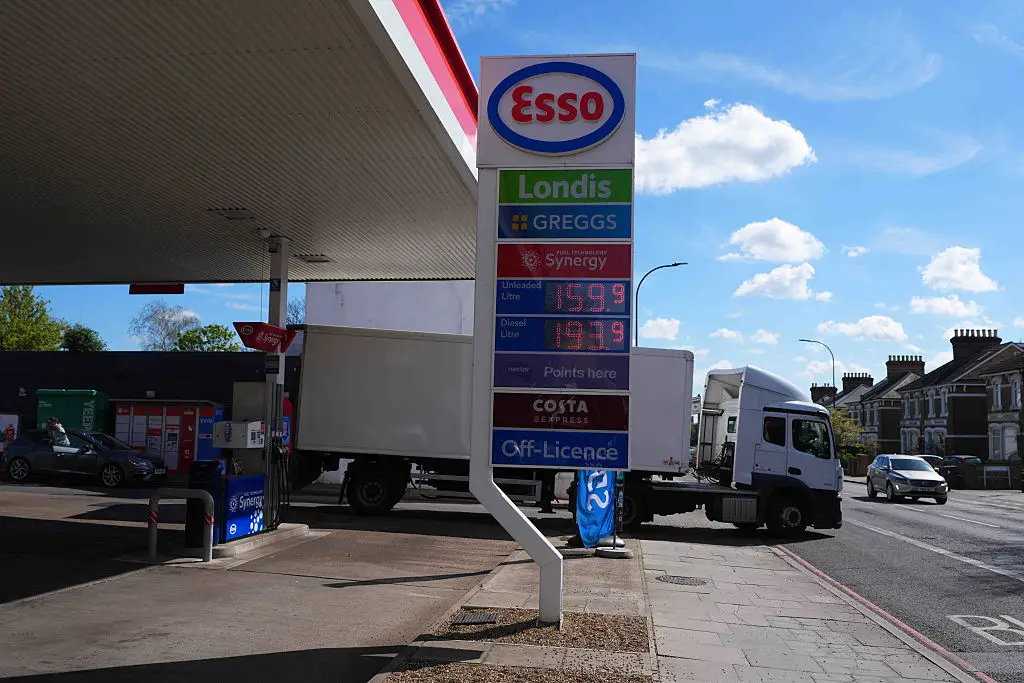
RAC head of policy Simon Williams said on Tuesday that 'pump prices appear to have finally stopped rising after 43 days of increases which saw petrol go up 25.5p to 158.3p and diesel 49p to 191.54p'.
"Wholesale fuel costs are now significantly lower than they were at the start of the month, so forecourt prices should begin to come down," Williams added.
"As things stand, we’d expect petrol and diesel to drop by several pence a litre in the next week or so.
“It will be very interesting to see if this plays out as the data indicates. We hope it does as drivers could do with some relief at the pumps with a tank of petrol for a family car now costing £87 and the diesel equivalent £105 - £14 and £27 more than they did at the start of the conflict."
Topics: UK News, Keir Starmer, Money
 Anish Vij