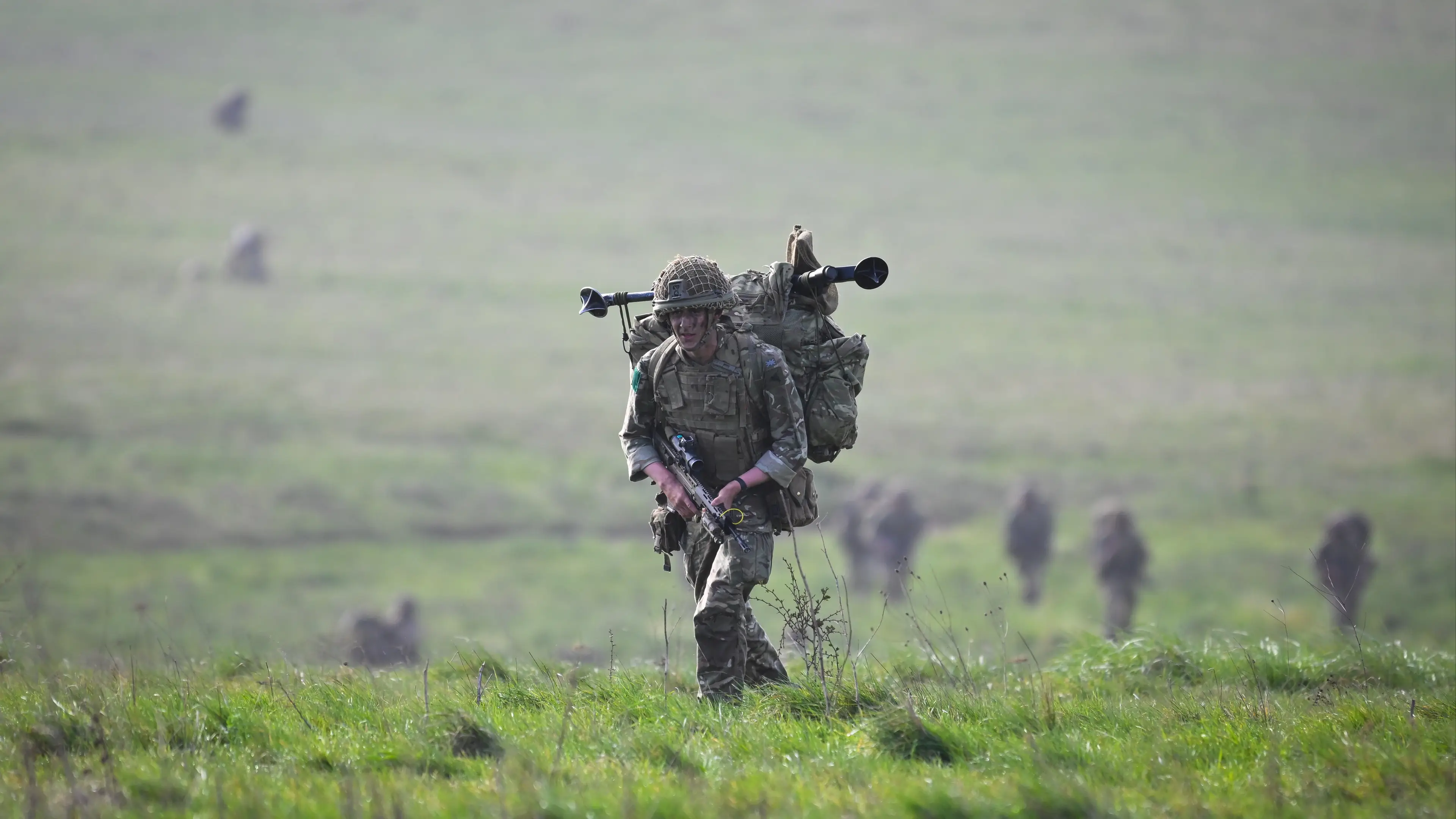
Poll finds half of Brits would not fight for UK 'under any circumstances' if war comes

A new study has found that almost half of Brits say they are not willing to go to war for their country under any circumstances.
The survey revealed that only one in three (36 percent) Britons would go to war, while 48 percent said they would not and 16 percent said they didn’t know, according to the data from IPSO.
The same poll found that more than half (51 percent) of respondents think the UK Government should spend more on defence and the armed forces, even if this means raising taxes or making cuts elsewhere.
Just 12 percent of Brits said spending on defence should be lowered, the Independent reports.
Advert
The survey, which polled 1,090 adults between 29 September and 1 October, also found that exactly half of those asked believe the UK should make building a close defence relationship with the EU a priority.
Caroline Paskell, research director at Ipsos in the UK, told the Independent: “Our latest polling underscores the continued public recognition of the demands facing Britain's Armed Forces, with half of Britons backing an increase in defence spending despite wider economic pressures.
"However, the public mood remains finely balanced when faced with the direct trade-offs required to fund this expansion.
"While there is strong enthusiasm for military investment that delivers broader economic dividends, such as job creation and civilian infrastructure, resistance grows sharply when funding mechanisms touch personal taxation or cuts to cherished public services.
"The key challenge for ministers will be navigating these competing fiscal priorities, communicating clearly how increased security investment can coexist with public service protection and broader economic growth."
The results of the survey have been shared after Nato’s top military commander said the alliance is ‘ready to fight tonight’ if it is attacked.
US General Alexus Grynkewich said he does not believe that a conflict is imminent or inevitable but went on to say that the most effective way to preserve peace is to prepare for war and to maintain open lines of communication to ‘resolve misunderstandings’.
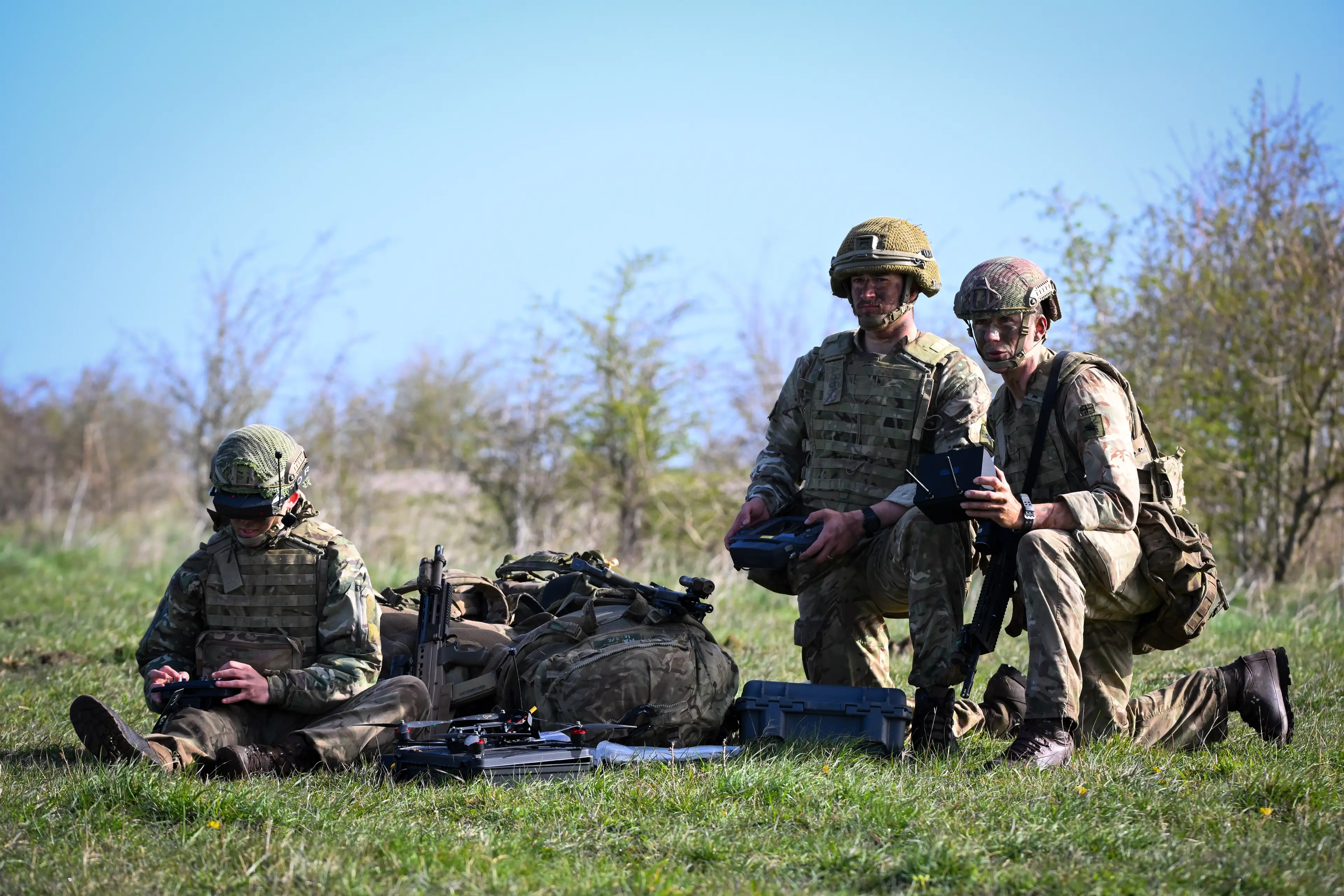
Gen Grynkewich provided no specific details about what kind of attack Nato is preparing for, nor where, nor with what kind of forces.
But outlining what a response to a Russian attack could look like, Gen Grynkewich said Nato’s combined land, sea and air forces will move to stop Moscow seizing territory and deny Russia the ability to hold ground.
“My theory of victory is simple,” he said at the Warsaw Security Forum.
“We will block the initial attack. If the attack persists, we will blunt it and prevent any enemy advance. And if required, we will break the enemy’s forces and the operational war-fighting system arrayed against us.”
In recent weeks, senior European officials and intelligence services have warned that Russia may be planning to test the Nato alliance with increased covert attacks or even an incursion after a spate of sabotage incidents across the continent.
Denmark’s defence intelligence service specifically warned Russia could use such tactics to split the Nato alliance.
 Claire Reid