
Researchers find how the brain fills in the gaps of what we see

The human brain plays a huge role in determining what we see when compared to what's actually out there, with a simulation claiming it helped explain why you might suddenly start noticing certain things.
The video suggested that if you were looking for a certain thing you'd start seeing it all over the place, or if you had a particular mindset it'd affect what you noticed.
How people do see is a very complicated but fascinating topic, as researchers explained in a study that they used to think what people saw is what was 'out there'.
The image of the physical world taken in by our eyes and faithfully represented to our minds is a comforting thought, but further study has indicated that's not how our mind and vision actually work.
Advert
Instead, scientists found that when it came to blind spots or reduced vision the mind would 'fill in the blanks' with things it expects are most likely there, so what you see is not necessarily what you get.
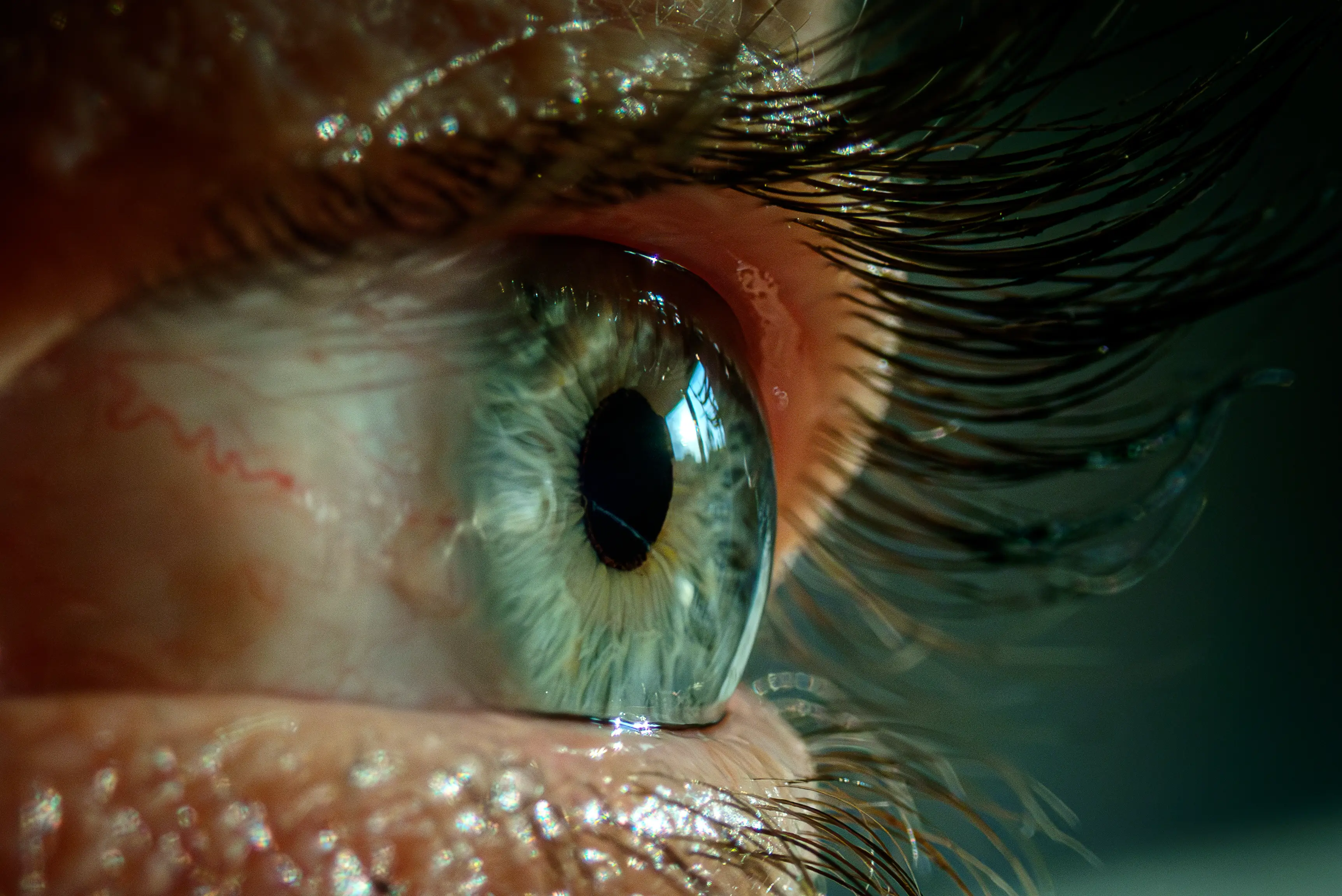
The brain filters what your eyes see
In an experiment people were shown two images, one of a monkey's face and the other of a jungle, each picture shown to one retina to give the brain conflicting information about what it was seeing.
They then mixed the images together into two pastiches and again showed them to one retina apiece, with the people not seeing the pastiches as they actually looked but two complete images of the monkey and jungle alternating.
Their brains were rejecting what they actually saw and choosing to see a much more plausible vision instead.
Scientists found that during a saccade, which is where the eye rapidly moves, your brain will largely create what you think you see from memory rather than relying on what the eyes are seeing.
It's like looking in a mirror and quickly moving your eyes back and forth, you can't look at your own eye movements as during the time your eyes are moving rapidly your brain tunes down what you're actually seeing from them and filters it out in favour of memory.
Your mind is 'filling in' the blanks
"Thus what we see does not depend entirely on what is out there but also to a considerable extent on what the brain computes to be most probably out there," the researchers declared.
At times when your vision is either focused on something else or your brain decides to turn down the input from your eyes such as in the case of rapid eye movement it takes over filling in what might be there.
The brain is always working to process and interpret the information it's getting from your vision, as MIT researchers looked into how 'everything seems to be unified' in your eyes but this isn't the case.
Instead there's a sophisticated process going on behind the eyes to track objects that move across your field of vision in a manner akin to information being passed from network to network.
Many optical illusions rely on the brain filling in the blanks with what it expects to see in order to hide what's actually there.
Topics: Science
 Joe Harker