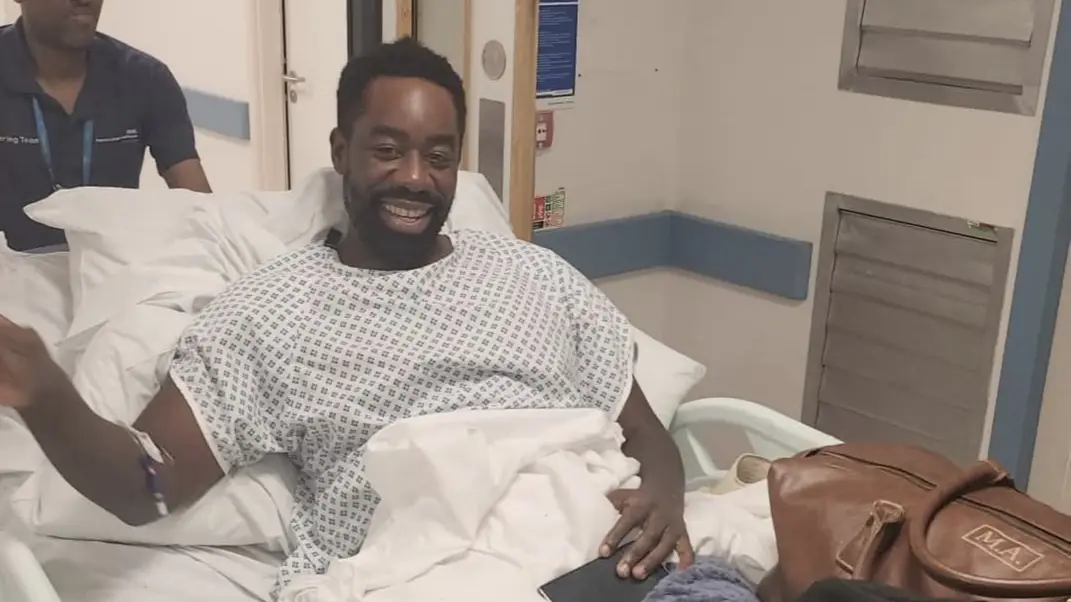
Man who came back from the dead asked heartbreaking question when he woke up

In 2023 a fit and healthy 40-year-old named Matthew Allick suffered a heart attack which left him clinically 'dead for ten minutes', leaving him without a heartbeat or breathing.
The Ealing man remembers discussing how painful his chest felt, saying it was at '11' before going up a couple of notches, with the council worker saying that right after he said 'oh my gosh, it's a 13 now'.
As soon as he said that he had a cardiac arrest which left him clinically dead, he told the BBC that he was given 'aggressive CPR' so hard it gave him internal bleeding, and he'd been informed he'd suffered from a pulmonary embolism.
Clinically dead for 10 minutes, Matthew said he remembers nothing of that time even if he's regularly asked whether he saw anything during that time.
Advert
He was in an induced coma for three days, saying: "When I woke up and after a few hours I remember I tried to sit up, tried to move my hands and I couldn't feel anything. I was like 'why is my hands not moving, why is my leg?'.
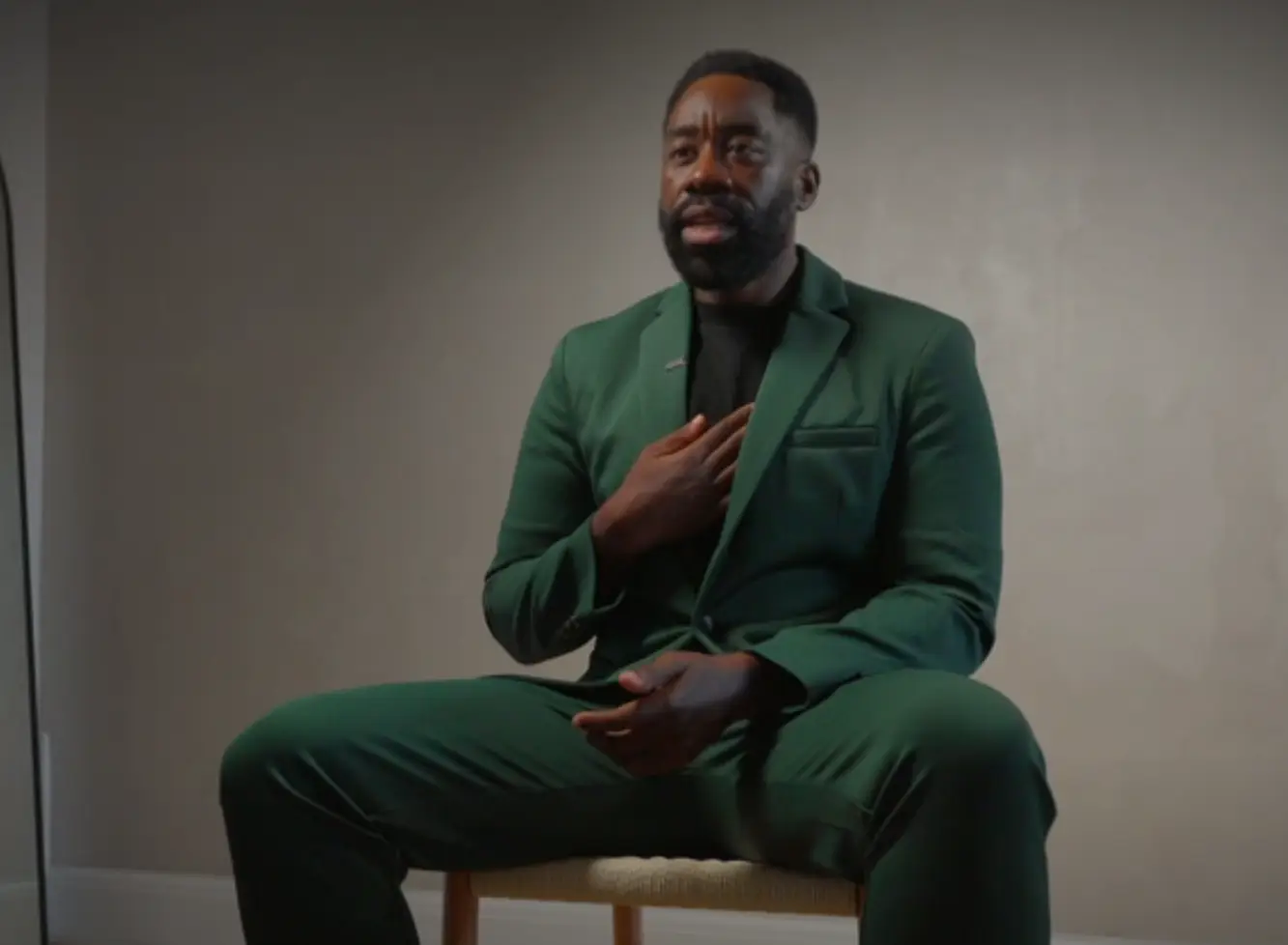
"I was really like 'brain, move hand, brain, do this, brain'. And it wasn't.
"In that moment that was when I prayed to god, I said 'listen, I can't live my life like this'. There's no way. I said 'Lord, listen, I'm ready to die, if there's a way I can die tonight I'm happy'.
"Because I've already experienced death, I don't remember it so there's no problem. I'll go."
But then he went to wiggle his toes and they moved, and he kept doing it because he was worried that if he stopped he'd lose the signal to his extremities.
Moving was very difficult for Matthew but he kept doing it, and he spent a month and a half in hospital during which time he had to have seven blood transfusions as his own blood was so thick.
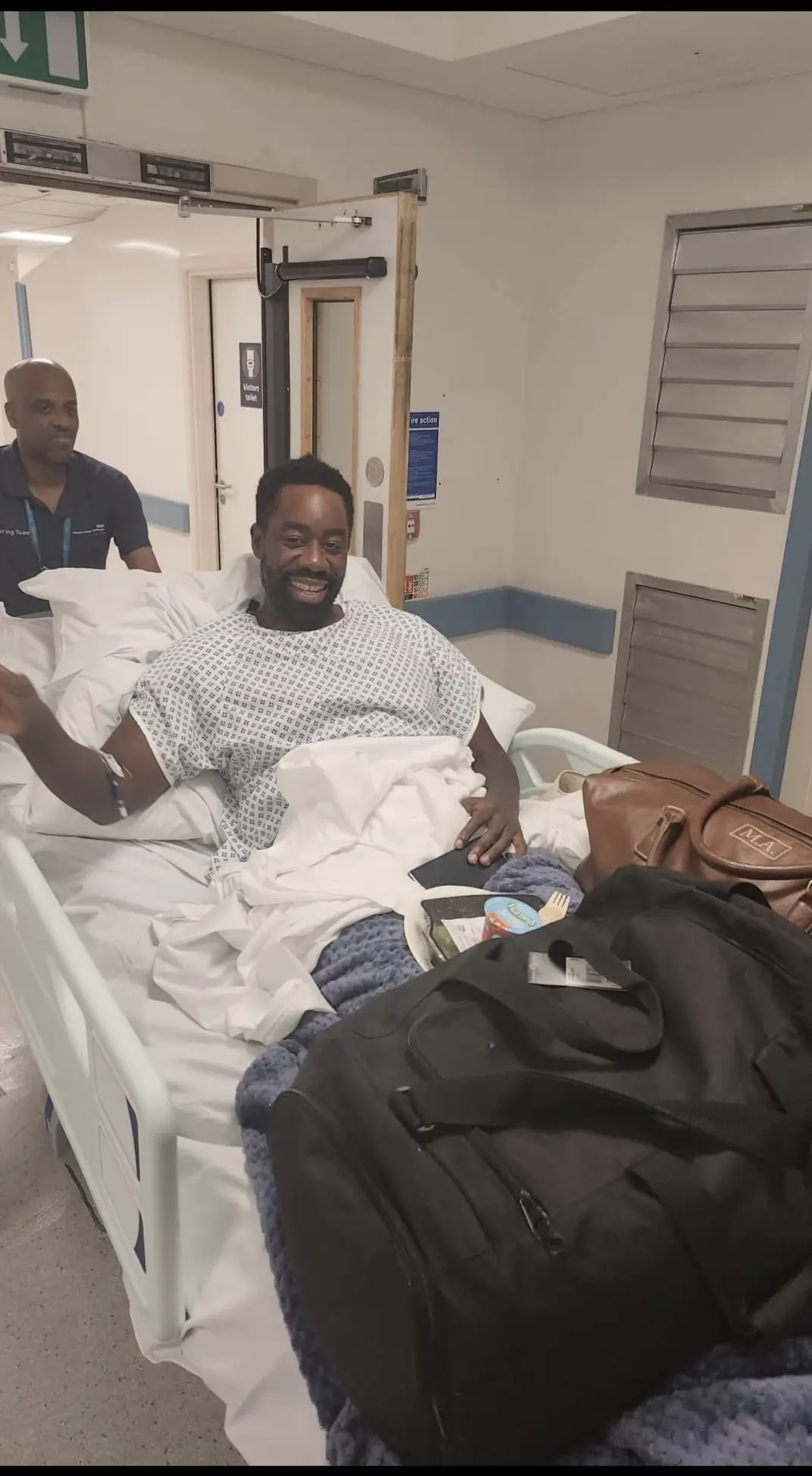
"Without blood transfusions I wouldn't be here today. The left side of my body was filled with clots. Having the right blood ready and waiting gave me a second chance at life," he told the NHS.
"We often don't realise how critical blood donation is until we're on the receiving end. Someone's decision to give blood saved my life. And that's what I want more people to realise."
It took Matthew two years of rehabilitation to reacquaint himself with the basics of life including walking and feeding himself, and has since campaigned for more people from black communities to give blood so the NHS has more supplies of the Ro blood subtype.
It's 10 times more common for people with black heritage to have Ro blood, but only two percent of blood donors in the UK have it.
 Joe Harker