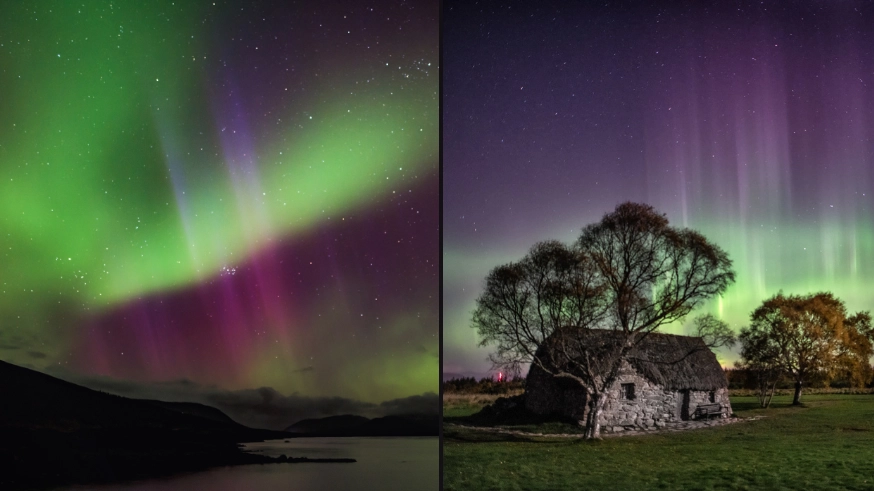
ladbible homepage
ladbible homepage
  • iconNews
  • videos
  • entertainment
  • Home
  • News
    • UK
    • US
    • World
    • Ireland
    • Australia
    • Science
    • Crime
    • Weather
  • Entertainment
    • Celebrity
    • TV
    • Film
    • Music
    • Gaming
    • Netflix
    • Disney
  • Sport
  • Technology
  • Travel
  • Lifestyle
  • Money
  • Originals
    • FFS PRODUCTIONS
    • Say Maaate to a Mate
    • Daily Ladness
    • UOKM8?
    • FreeToBe
    • Citizen Reef
  • Advertise
  • Terms
  • Privacy & Cookies
  • License Our Content
  • About Us & Contact
  • Jobs
  • Latest
  • Archive
  • Topics A-Z
  • Authors
Facebook
Instagram
X
Threads
Snapchat
TikTok
YouTube
Submit Your Content Here
  • SPORTbible
  • Tyla
  • GAMINGbible
  • LADbible Group
  • UNILAD
  • FOODbible
  • UNILAD Tech
Northern Lights could be visible from parts of UK tonight due to solar storm
Home>News>UK News
Updated 18:25 25 Mar 2024 GMTPublished 18:26 25 Mar 2024 GMT

Northern Lights could be visible from parts of UK tonight due to solar storm

Brits might be able to get a glimpse of the spectacular display in the sky this evening

Olivia Burke

Olivia Burke

google discoverFollow us on Google Discover

There's nothing like the Northern Lights turning up unexpectedly to spice up your Monday, is there?

The extraordinary-looking aurora borealis are set to light up skies throughout parts of the UK tonight (25 March), while our pals across the pond in the US will also be treated to a spectacular display.

They only usually emerge within the Arctic circle, so thousands of people flock there to try and track down the colourful, dancing waves of light overhead - but this evening, you might not have to head so far afield.

Advert

The natural phenomenon is the result of a 'coronal mass ejection', which the Met Office explains is the large expulsion of plasma from the sun's corona.

When these particles hit our atmosphere, they create the aurora.

And we've got a solar eruption to thank for sending the Northern Lights our way this evening.

Australia's Bureau of Meteorology issued an aurora alert this morning, explaining that a severe solar storm is currently unfolding and that, as a result, this means the southern lights could be visible.

The storms are caused by coronal mass ejections, which refers to when clouds of plasma erupt from the Sun’s outer atmosphere and expel particles towards Earth, which create a dazzling display as they hit the planet's magnetic field.
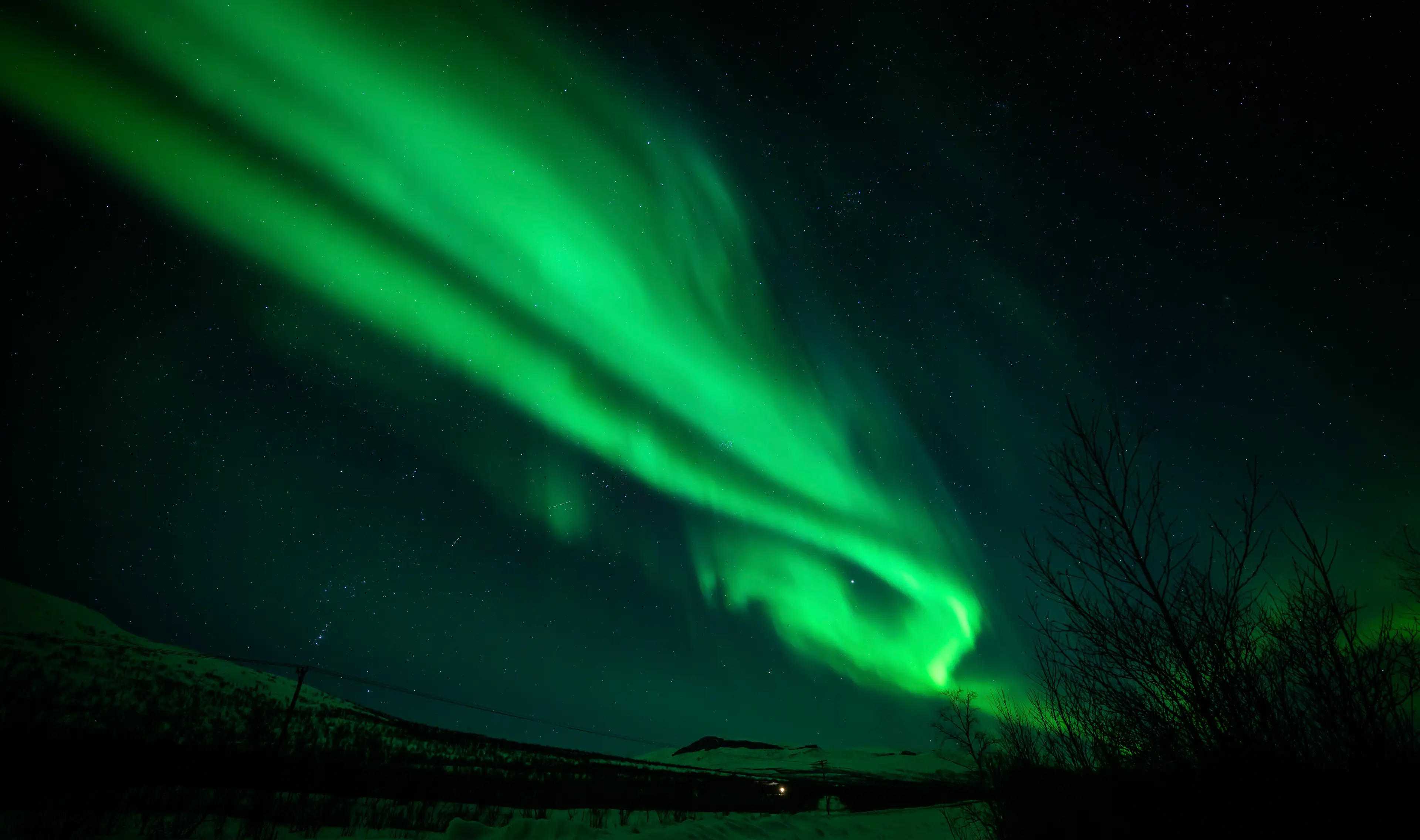
Leon Neal/Getty Images

Because the Northern Lights are simply radiation from the Sun being deflected by the magnetic field, they are much easier to see when there is a large amount of solar activity - like in a solar storm,

This is down to the fact there is more solar radiation hitting the Earth. Clever, isn't it?

And to make witnessing this even more special, just think that people in southern Australia, from Victoria to Western Australia, and across the States - as far south as the midwest - will also be looking up at the sky tonight too.

On top of that, this impromptu appearance clashes with the penumbral lunar eclipse, which will also be visible across the globe.

I bet people are going to be wishing they bought blackout curtains while they're trying to get some shut-eye.
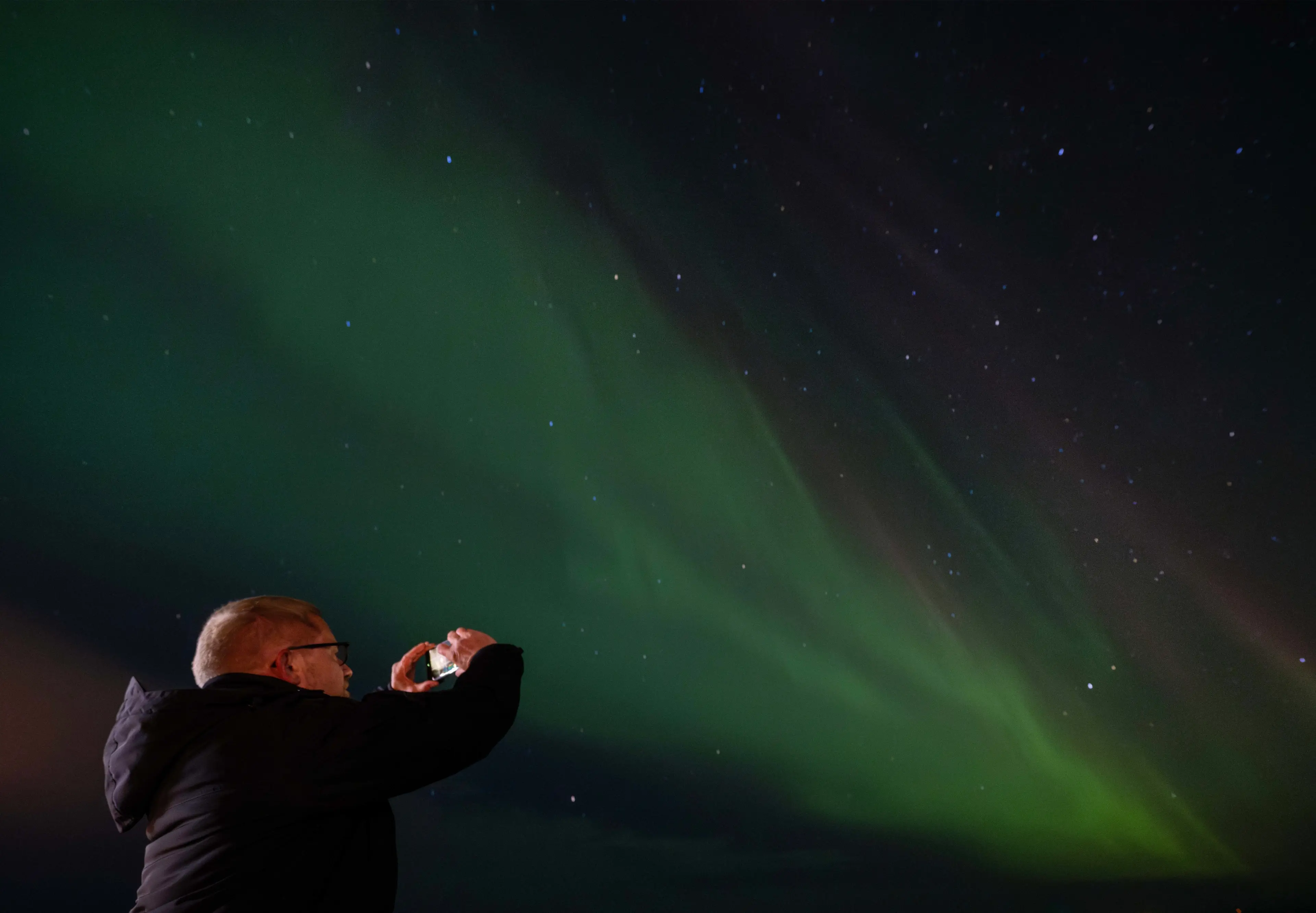
Jorge Mantilla/NurPhoto via Getty Images

Forecasters have told Brits that there is a chance they will be visible across the UK throughout Monday evening, although it looks like Scotland are going to get the best sightings.

We can only blame the good old British weather, as the clouds and rain can obscure our view of the Northern Lights drastically, but they usually emerge after darkness falls - and, you never know.

The experts Down Under at the Bureau of Meteorology (BoM) recommend that people find somewhere very dark - like a beach or a hill - which has an unobstructed view facing south.

An indicator that you are in as good spot to witness the Northern Lights is if the sky is dark, moonless or cloudless and away from the glare of artificial lights.

The BoM said that between 10pm and 2am is usually the best time to catch a glimpse of the auroras.

Featured Image Credit: Getty Stock Images

Topics: UK News, World News, US News, Weather, Science, Space

Olivia Burke
Olivia Burke

Olivia is a journalist at LADbible Group with more than five years of experience and has worked for a number of top publishers, including News UK. She also enjoys writing food reviews (as well as the eating part). She is a stereotypical reality TV addict, but still finds time for a serious documentary.

X

@livburke_

Recommended reads

One man says he's proven his sperm is different to all 4 billion men in the worldInstagram/@bryanjohnsonEasyjet and Ryanair have no jet fuel shortage worry - but seven airlines have folded since crisis beganCredit‘Chinese Nostradamus’ makes four chilling new predictions after Iran War claimsYouTube/TheDiaryofaCEOMy Name is Earl star Jaime Pressly launches OnlyFansMike Guastella/WireImage

Advert

Choose your content:

17 mins ago
an hour ago
2 hours ago
3 hours ago
  • Instagram/@bryanjohnson
    17 mins ago

    One man says he's proven his sperm is different to all 4 billion men in the world

    He also revealed his three methods for achieving such a momentous feat

    News
  • YouTube/TheDiaryofaCEO
    an hour ago

    ‘Chinese Nostradamus’ makes four chilling new predictions after Iran War claims

    He explained how Trump could remain president after 2028

    News
  • (Lina Selg / AFP via Getty Images)
    2 hours ago

    New Hantavirus vaccine in development as US declares it 'level 3'

    Three people are either confirmed or suspected to have died from hantavirus since the outbreak began

    News
  • Danny Martindale/WireImage
    3 hours ago

    David Attenborough's diet he credits to long life as he turns 100 today

    There's plenty of evidence to suggest we should all be making the same small lifestyle change

    News
  • Northern Lights could be visible tonight as alert issued
  • Northern Lights to be visible from the UK tonight
  • Earth could be hit by extreme geomagnetic storm tomorrow following 600,000 mile-wide solar eruption, scientists warn
  • NASA's Mars rover makes history after capturing 'Northern Lights' for first time from another planet