
Real reason the school year starts in September and not January

It's January which means it's back to school for everyone still young enough to have to go there every weekday, but despite it being the first month of a new year it's not the beginning of a new school year.
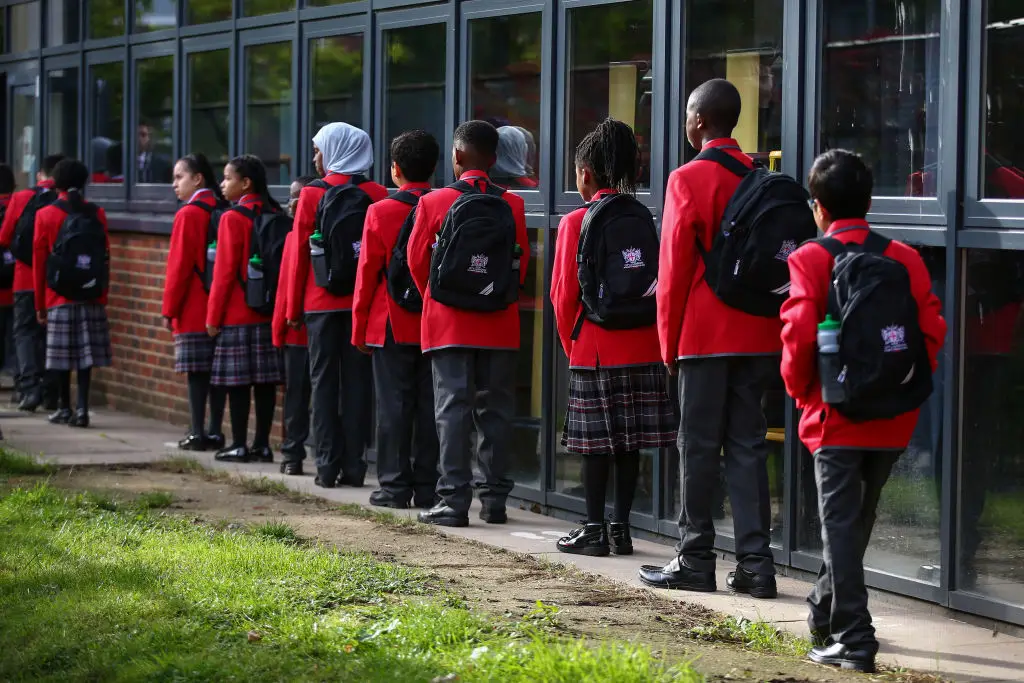
School years start in September, you do your first term up until Christmas, then another term until Easter and then finally you have the last chunk of the year until it's time for the summer holidays.
You might be wondering why exactly we do it this way round and the academic year begins more than halfway through the calendar year, but there's a historical reason for it all.
It wasn't until 1880 that it became compulsory for children in the UK to go to school, with families getting in trouble if they kept trying to send their kids to work instead to bring a bit more money in.
Advert
All children aged between five and 10 had to be in school, but there were problems with them actually showing up, so the school year started in September as it was reckoned this would result in the biggest number of kids turning up.
That's because September is the end of the harvest season and during the time you'd most often think of as your summer holidays would be when the fields and farms needed as many hands as possible.
If you started school in January, then a lot of kids would stop showing up halfway through the year, but starting in September meant there were fewer reasons for them not to turn up.
Historian Paula Kitching told the BBC: "Through the winter months there was less to do, so children being absent for part of the day for school was acceptable.
"But from late May onwards everyone was increasingly needed to do their bit on the land - fruit picking, livestock care, harvesting and preserving.
"In many communities it would be the boys of 10 to 13 that would do the shepherding in the higher pastures and be away for days or more at a time."
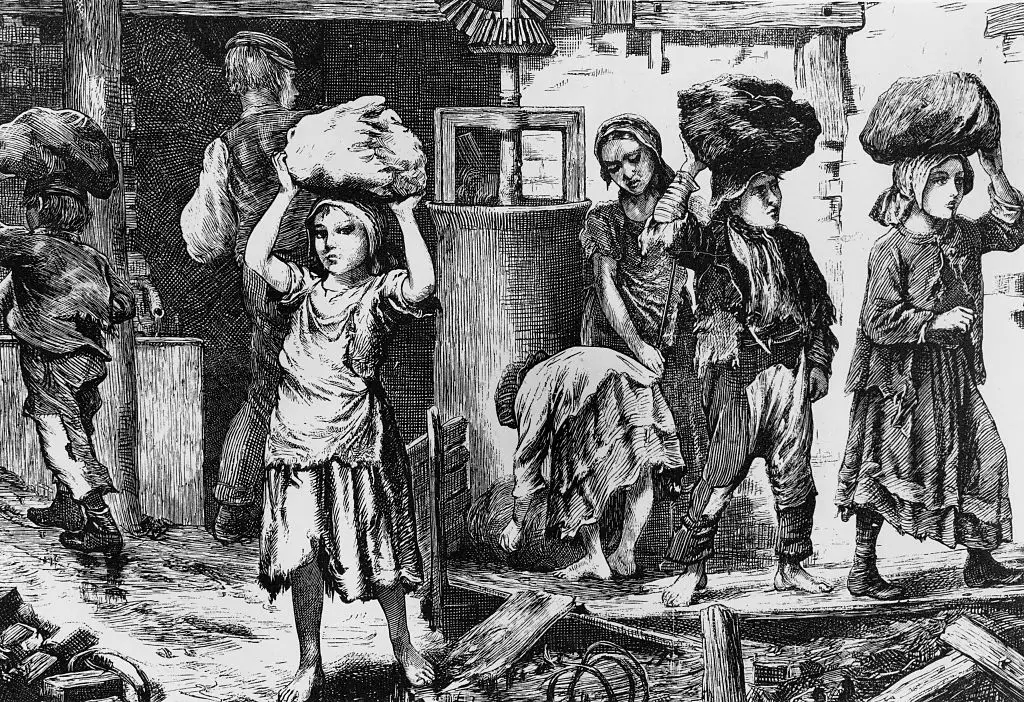
She explained that children would also have to help look after their siblings while their parents were busy working, so the September start was the perfect spot to begin the academic year.
These days, things have changed a lot but there's been little reason to fix what isn't broken and keeping things the way they are does mean kids get to be out of school and enjoy the summer while the weather is at its best.
Those glorious six weeks of summer holiday wouldn't hit quite the same if you get them over the back half of November and all of December when it's chuffing miserable outside.
 Joe Harker