Treasure hunters earned £2 million from 950-year-old discovery in UK's biggest ever find

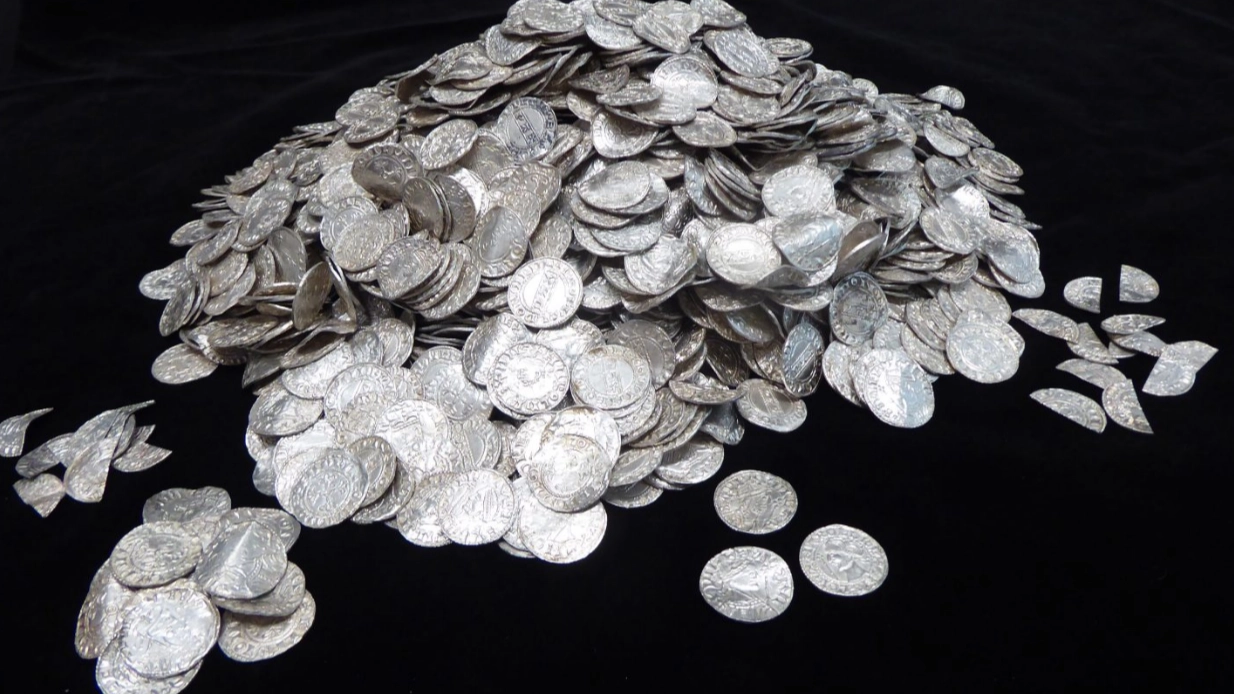
In 2019 detectorists Lisa Grace and Adam Staples found the biggest hoard of coins ever discovered in the UK while training their friends how to use metal detectors.
Since the stash was found in Chew Valley, Somerset, that's what the incredible find has become known as and the detectorists discovery made them a good sum of money.
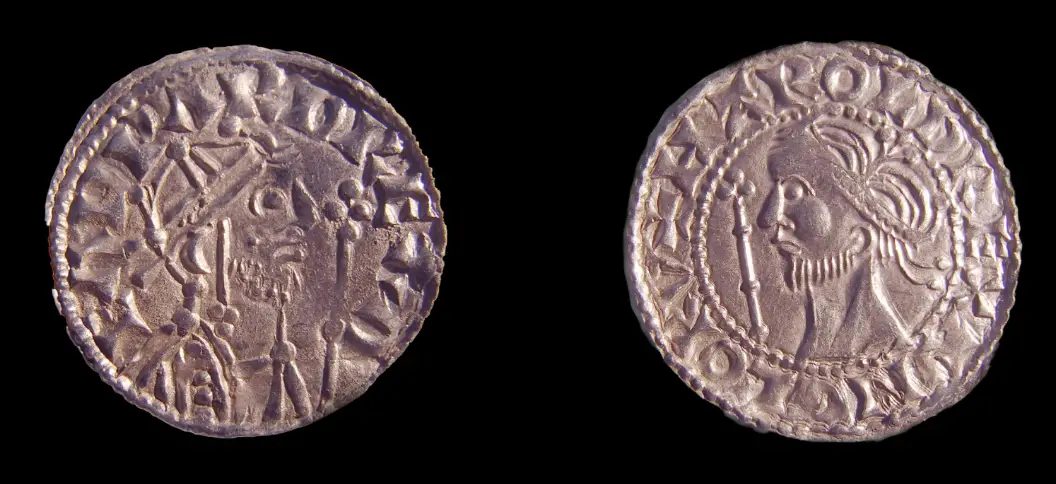
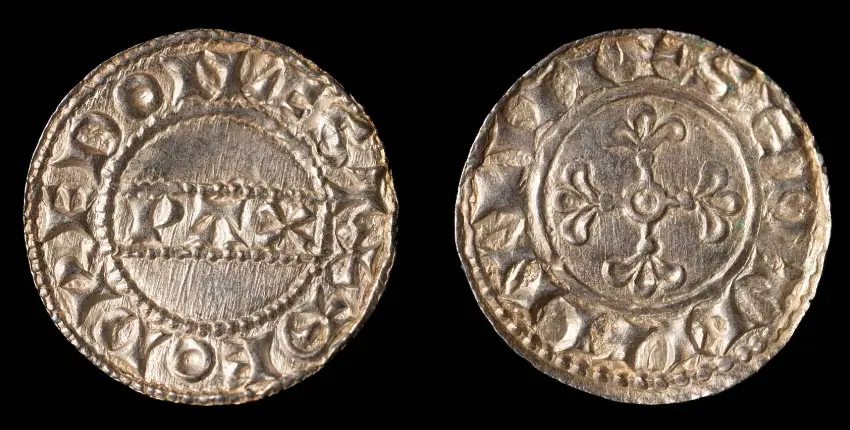
The coins themselves were around 950 years old and featured the image of multiple kings, including those who predated the Norman Conquest.
In total the detectorists discovered 2,584 silver pennies thought to have been made between 1066 and 1068, as they bear the images of Edward the Confessor, Harold Godwinson and William the Conqueror.
Advert
Anyone who knows their English history will know all three were kings during 1066 in what would it would be an understatement to call a very eventful year.
In 2024 the hoard of coins was bought by the South West Heritage Trust for the sum of £4.3 million, and according to treasure finding laws in England and Wales the detectorists earned half of this sum.
£4.3 million is the highest valuation from a hoard of coins ever discovered in the UK so it turned out to be a very good day for the detectorists who uncovered the Chew Valley Hoard which spent almost a millennium buried beneath the soil of England, and for the landowner who gave them permission to detect on their land.
According to the law if you find treasure you have to report it, and financial gains from selling the historical discovery gets split 50/50 between those who found it and the owner of the land it was discovered on.
The coins themselves went on display at the British Museum for a time before being moved to museums across the UK before finally finding a forever home at the Museum of Somerset.
As for how they ended up in the ground in the first place, historians reckon the stash of coins was buried some time around 1068 as a means of keeping them safe.
In that year William the Conqueror laid siege to the nearby city of Exeter where Harold Godwinson's mother Gytha had taken refuge, pillaging towns along the way.
The aftermath of the Norman conquest was a particularly dangerous time as William stamped out Anglo-Saxon resistance to his rule in brutal fashion, the most deadly of which was the Harrying of the North where it's estimated that as much as 75 percent of the population of northern England were killed or moved on never to return, with some modern scholars describing it as a genocide.
As such it's understandable that someone with a big pile of money who didn't want to have it taken from them or even be killed for it might bury their stash to avoid becoming a target when the Normans showed up to pacify an area.
The Chew Valley Hoard has coins from an estimated 46 mints with them being made all over England, they all made their way into the Somerset soil to be discovered almost 950 years later.
Why the owner of these coins never returned for them is anyone's guess, the most obvious answer would be that they didn't survive long enough to go back for their stash of money when it was safe.
Topics: Archaeology, History, UK News
 Joe Harker