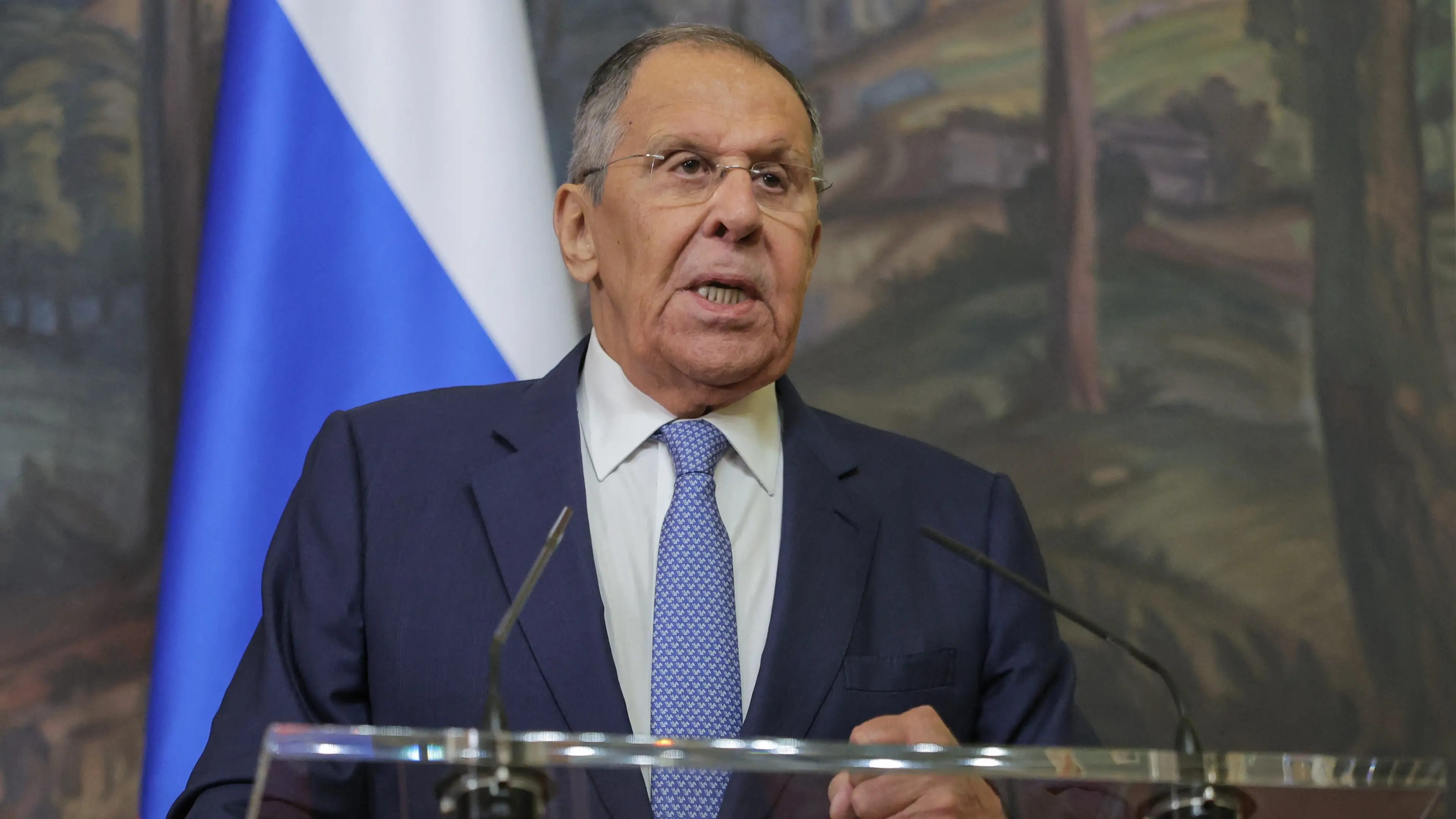
Russia chief questions if UK will survive as Britain has 'diminished to the utmost degree'

Russia’s foreign minister Sergey Lavrov has suggested that the future looks uncertain for the United Kingdom.
Lavrov, a close ally of President Vladimir Putin, said that ‘the Celts’ were looking to hold independence referendums, which could signal the end of the UK.
He made the comments at a youth conference in Russia, The Times reports, where he argued that the West has too much influence when it comes to the United Nations security council.
He went on to say that Britain had ‘diminished to the utmost degree’ since it joined the UN in 1945.
Advert
Lavrov said: “Turning to the UN security council, its current composition does not reflect the realities of today.
“I do not know what will become of the country called Great Britain. The Celts - Wales, Ireland, Scotland - are now seeking to hold referenda.
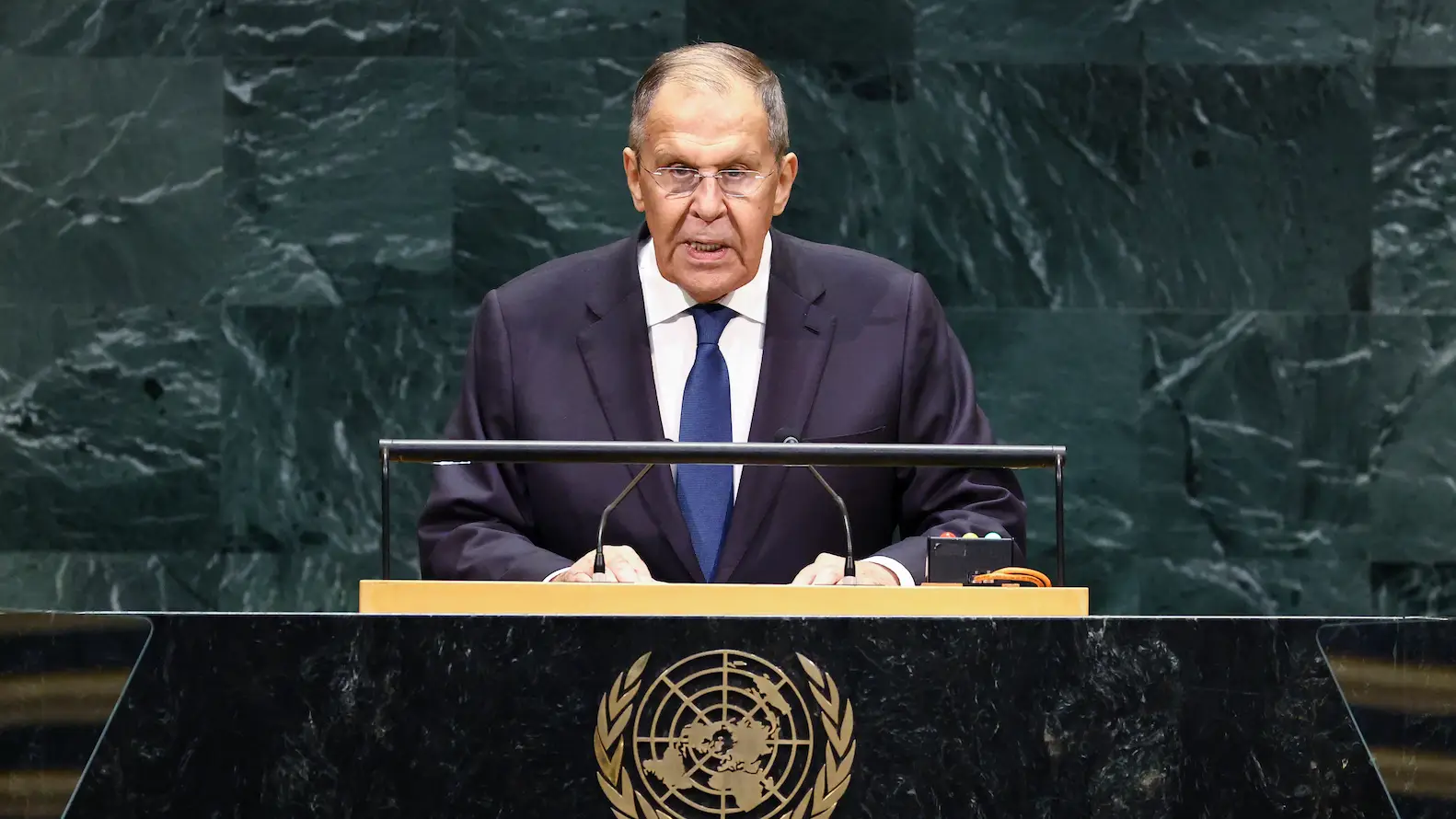
“We do not advocate the expulsion of any of the permanent members of the security council.
“Although, of course, the scale of the British Empire, when it first took its seat in the UN security council at the organisation’s founding, has, naturally, diminished to the utmost degree.”
His comments come after the first ministers of Wales, Scotland and Northern Ireland announced that ‘Westminster's time is coming to an end’.
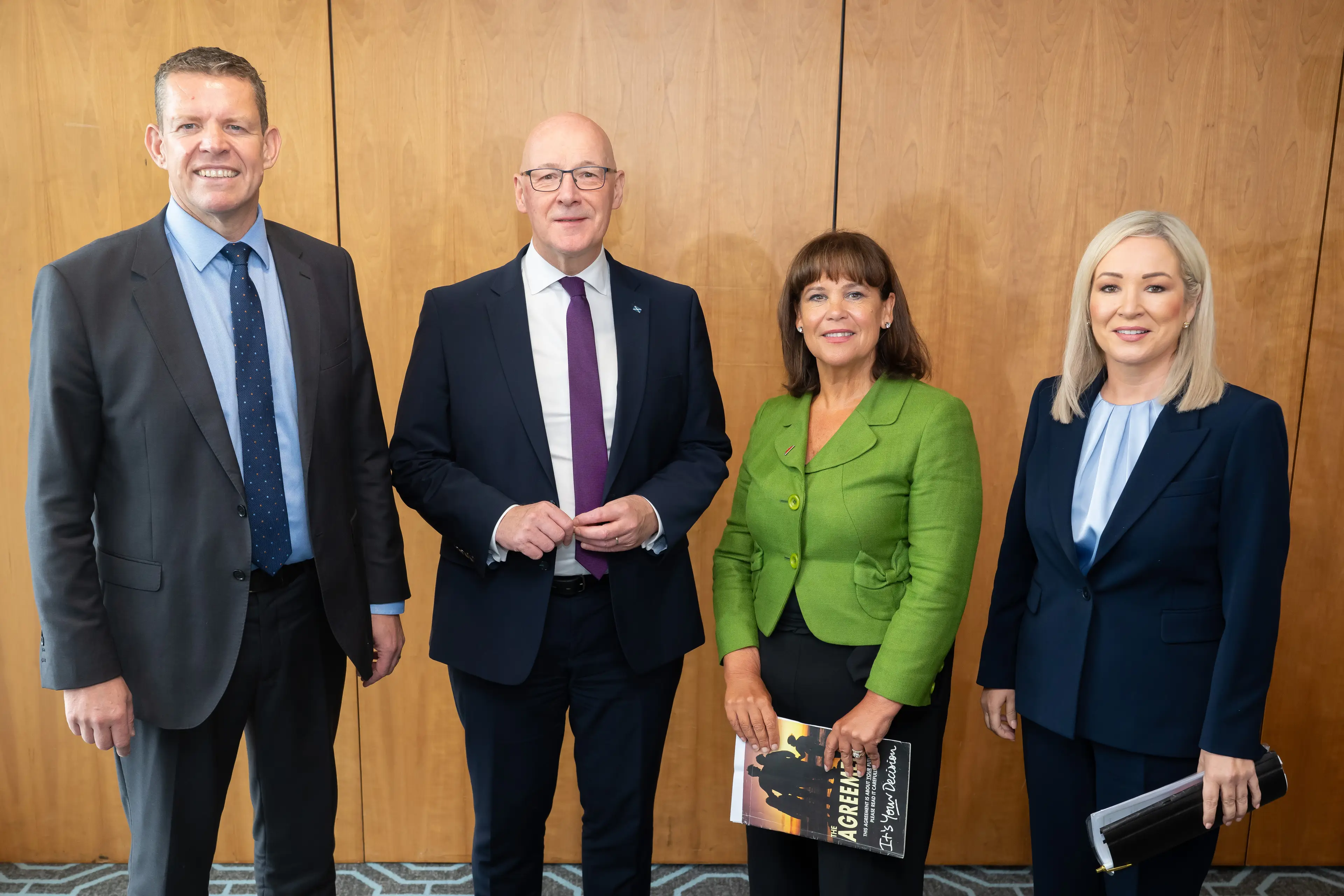
The first ministers of the UK’s three devolved nations – SNP leader John Swinney, Plaid Cymru leader Rhun ap Iorwerth and Sinn Féin vice president Michelle O’Neill - met earlier this month and signed a joint agreement which reiterated their commitment to independence.
The agreement read: “The political landscape across these islands is changing.
“For the first time ever, people across these islands have first ministers in Scotland, in Wales and in the north of Ireland who are all committed to independence from the United Kingdom.
“For people watching across these islands – for people watching around the world – there could be no clearer sign that Westminster’s time is coming to an end.
“Our nations have the right to self-determination. No Westminster government has the right to block democracy or undermine the principle that our people will decide their own future.
“We recognise that our parties have different constitutional positions and that each nation will determine its own future in its own way and in its own time.
“We call for the British Government to prepare for, plan and facilitate constitutional change in each jurisdiction.”
Alongside the agreement, Swinney and O’Neill both called for referednums at a joint press conference, while Wales’ ap Iorwerth declined to comment, the Press Association reported.
A spokesperson for Prime Minister Andy Burnham said in a statement at the time that the UK works best ‘when people come together’.
“The Prime Minister is committed to delivering change across all four nations of the United Kingdom and believes strongly in the Union,” the spokesperson said.
“The United Kingdom is at its best when people come together around our shared values and problem-solving, rather than division, and the Prime Minister will continue to ease pressures on household finances, and delivering greater economic security, rather than engaging in constitutional debates or further referendums.”
Topics: UK News, World News, Politics, Russia
 Claire Reid