British travellers issued warning as Australia proposes crackdown to tackle surge in ‘backpacker’ visitors

Australia wants to crackdown on the amount of British backpackers who are supposedly overstaying their welcome in big cities.
Tens of thousands of UK residents head Down Under each year on working holiday visas, and thanks to the free trade deal brokered in 2023, we get a more cushty deal than most.
But if the Australian government gets it way, this could soon come to a stop - as ministers want to 'tweak' the agreement to stop droves of Brits from 'distorting the labour market'.
Australia's Home Affairs Minister Tony Burke announced that the nation is looking for a 'more sensible' solution to the current predicament on Friday (13 November), ABC News reported.
Advert
In case you haven't noticed, there's been a massive boom in the number of Brits going to Australia in recent years...but officials want to pump the brakes.
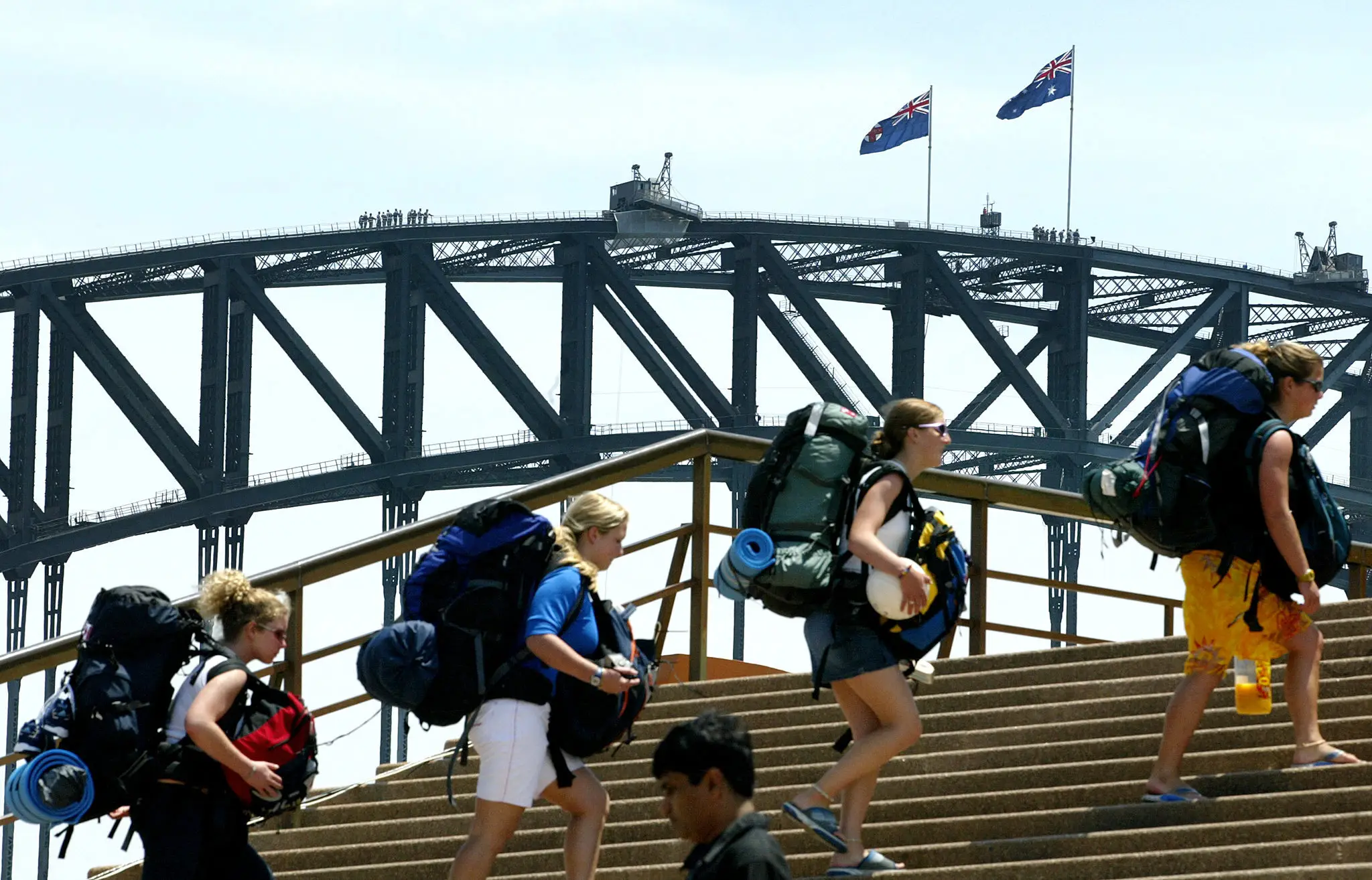
In an economic respect, our presence might not be deemed to be as valuable to the country as that of our international counterparts, due to the favourable terms we get.
As it stands, people from the UK who enter the country on working holiday visas can stay there for three years without a specific work requirement.
While backpackers from other places around the world have to complete 88 days of work in a specified industry in regional or remote places after their initial 12 month stay is up, Brits do not.
Instead, we can apply for a second or third working holiday visa without taking part in this graft. As well as this, the age limit for eligibility for a working holiday visa was also upped from 30 to 35.
Thanks to the free trade deal, it's a different ball game for Brits, who can stay in the country for up to three years without abiding by this work requirement - however, this is apparently hindering industries Down Under.
Brit backpackers 'arriving in very large numbers', PM said
Earlier this month, Prime Minister Anthony Albanese told parliament: "Unlike backpackers from other areas of the world, who have to spend time in regional Australia, UK backpackers are arriving in very large numbers, much greater than they were previously to that arrangement being in place.
"They are staying at Bondi Beach or Coogee or around particularly the capital cities and working in hospitality there. That’s placing enormous pressure because it’s distorting the labour market in these areas as well."
Brits have been setting up camp in the big cities rather than going regional, and businesses in rural areas struggling to find workers aren't best pleased about it.
In a bid to remedy this, officials are hoping to redefine the terms of the deal that was struck with former prime minister Boris Johnson three years ago.
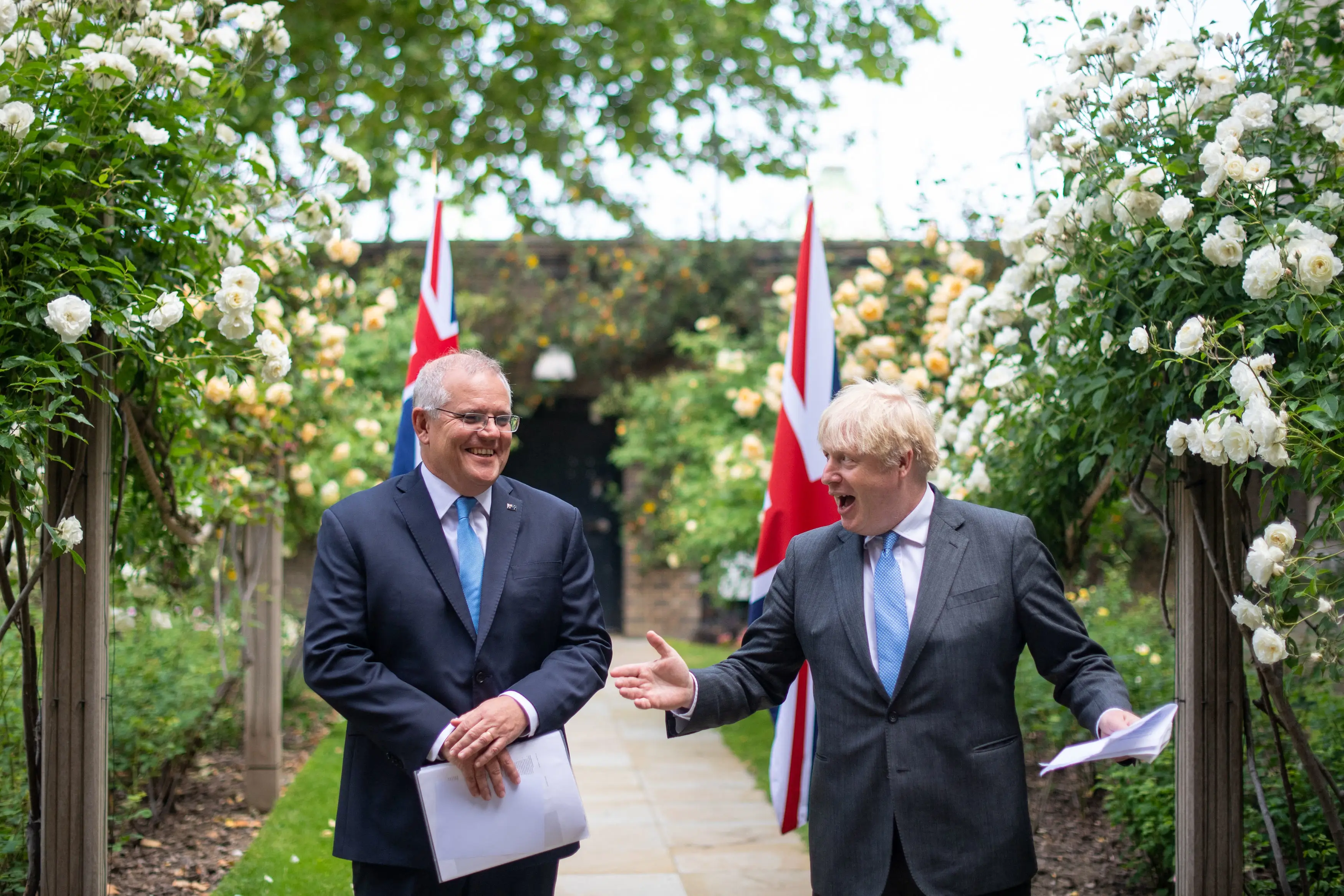
Home Affairs Minister Tony Burke said he is hoping to 'find a way to' adjust the current terms to 'something more sensible and in the national interest, without jeopardising the other parts of the free trade agreement'.
"The conversations with the United Kingdom continue," he said.
The proposed 'tweaks' he hopes to bring in will give businesses a boost, he said, as firms would be able to 'get the best possible use out of people while they are here'.
In a speech at the National Press Club in September, Burke offered people 'a sense of the pace of the growth' of the number of British backpackers who have headed to Australia.
The 'clock is ticking'
"At the time that the free trade agreement was signed, the number of UK backpackers we had here in Australia was in the order of 17,000," he said.
"Now that's a little bit on the low side because that was the end of the pandemic, but the previous peak had been around 35,000. It's now just shy of 80,000."
Businesses are urging the government to take action now, as Australian Chamber of Commerce and Industry (ACCI) chief executive Andrew McKellar pointed out.
Warning that the 'clock is ticking', he said firms in regional areas 'really need people to be coming out there and to be undertaking that work'.
But don't worry just yet lads, as nothing is set in stone - but just be wary that it might become more difficult to live out your Australian dream beyond the initial 12 months in future.
 Olivia Burke