
Student nearly died after brushing off symptoms as a bad hangover

A 21-year-old student at university almost died after believing that her symptoms were simply the result of a bad hangover.
Elle Black had gone to watch the Six Nations rugby with some friends at university during her first of study in February 2024, having a boozey night while they enjoyed the games.
So when Elle woke up the following morning feeling 'dreadful', she assumed that this was simply a hangover resulting from the previous night's indulgence, and initially thought no more of it.
“Naturally, everyone, including me at first, assumed I was just suffering from a bad hangover," she said, but soon started noticing that she had more symptoms, and wasn't feeling any better.
Advert
“I was overwhelmingly drowsy, couldn’t keep food down, and swinging between hot and cold," she said. "That’s when I knew this wasn’t a hangover.”
Elle arranged a remote GP appointment, who suspected it may be laryngitis and prescribed her antibiotics, but Elle was too unwell to pick up her prescription.
Then, Elle said that she began feeling intense muscle pain, and immediately went to hospital. It would transpire that her speed in getting there may have saved her life.
"That speed is the reason I’m still here," she said.

Elle had been suffering with sepsis, with doctors confirming that this had resulted from quinsy, which is a serious complication of tonsillitis. When she told staff at the University Hospital of Wales in Cardiff she thought she had sepsis, she was immediately placed on IV antibiotics.
Fortunately, her getting to hospital when she did and immediately being treated for sepsis meant that the deadly infection was caught in time, and Elle made a full recovery.
But doctors told her that if she had arrived in hospital even 12 hours later, the outcome may have been very different.
Sepsis can be deadly, and even patients who survive sometimes only do so after desperate, life-changing measures, with doctors sometimes needing to resort to multiple limb amputations to save a patient's life.
As Elle improved she was moved onto oral antibiotics, remaining in hospital for several days before medics confirmed they had the infection under control.
She described how shocked she felt when doctors told her how different things might have been.
“Hearing that really brought home just how serious sepsis is, and how important it is to recognise the symptoms and act quickly," she said. "I’m incredibly grateful that I trusted my instincts when I did.”
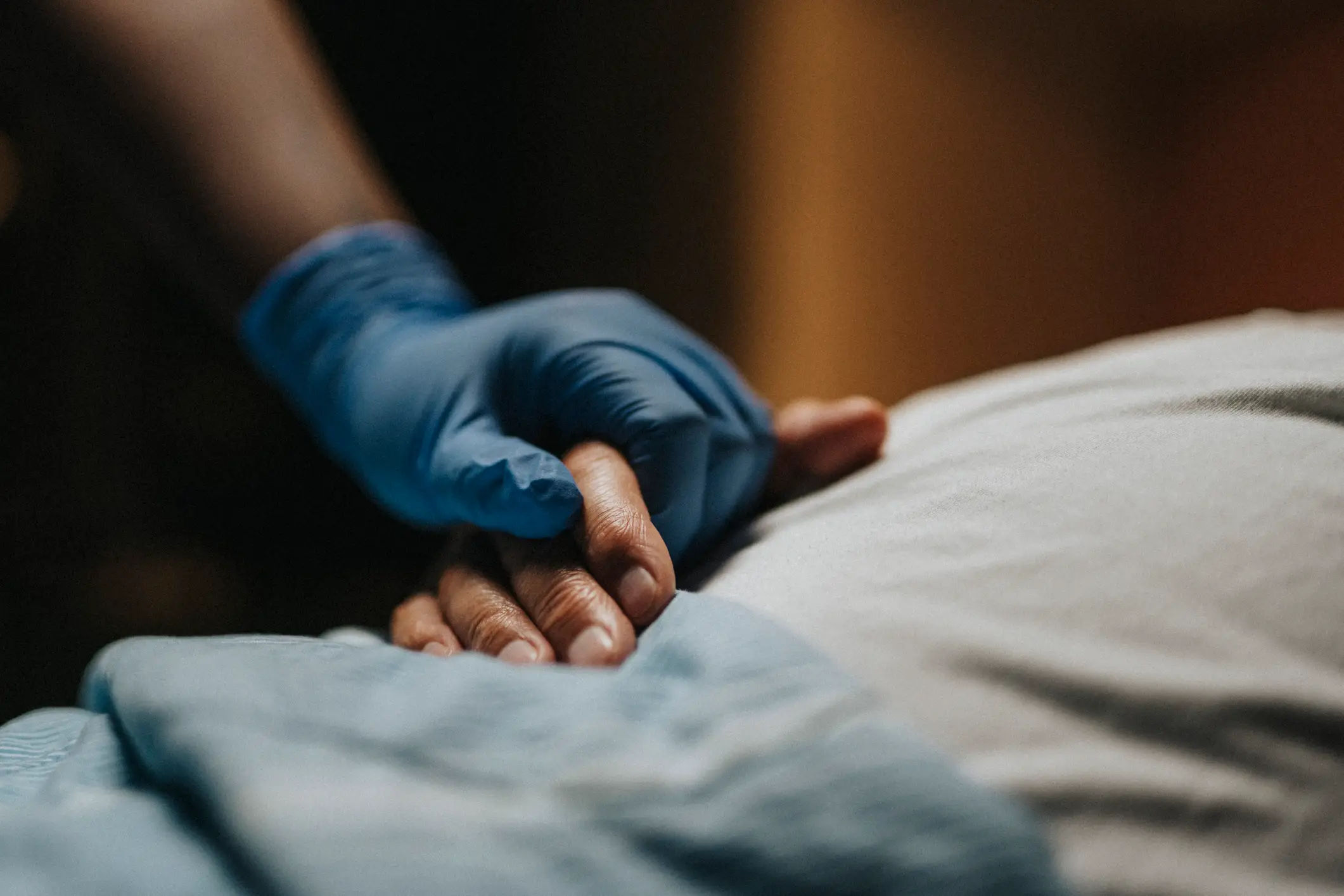
Elle's mum would described it as the scariest day of her life.
“As soon as she realised how seriously ill I was, my family dropped everything and got to the hospital as quickly as they could,” Elle said.
“Like many people, they knew very little about sepsis beforehand. It opened all our eyes to how quickly it can develop, and how it can affect absolutely anyone, regardless of age or how healthy they are.”
Elle would not even realise just how serious her illness was until several days later.
“Recognising the symptoms of sepsis, trusting my instincts and getting to hospital quickly made all the difference to my recovery,” she said.
Elle would make a full recovery, and went on to graduate with a first-class degree in Media, Journalism, and Culture from Cardiff University.
“Sepsis really takes it out of you. Even after the infection had been treated, I was left feeling exhausted for weeks," she said.
"It’s completely changed my perspective. I no longer take my health for granted, and I’m much more aware of listening to my body and trusting my instincts.”
Elle is now training for the London Marathon and is also a cold-water swimmer. She has urged others to familiarise themselves with the signs of sepsis, as time makes all the difference.
“Make yourself aware of the symptoms of sepsis," she said. "It can happen to absolutely anyone. Trust your instincts.
"If you or someone you know becomes suddenly and seriously unwell, don’t be afraid to seek urgent medical help. It is always better to be checked than to wait, because with sepsis, every minute matters.”
 Kit Roberts