
‘I felt like I was barely living on sertraline – but coming off it brought new problems'

Warning: This article contains discussion of suicide which some readers may find distressing.
Sertraline and similar antidepressants in the UK are going through a major overhaul as studies show the impacts of taking the drugs can be dangerous for some users – like Inan Fida.
The Medicines and Healthcare products Regulatory Agency (MHRA) is now introducing a series of new measures to inform patients, healthcare professionals and carers of the key risks associated with antidepressant medicines.
This follows a review by the Commission on Human Medicines (CHM), which brought up worries of how side effects like suicidal thoughts and behaviours, and sexual dysfunction can continue even after ceasing treatment.
Advert
Long-term Sertraline user, Inan, has since admitted that while his experience saw the suicidal thoughts disappear, physically and emotionally, however, things got tough.

Inan revealed just this month that he's 'doing better' in a video on TikTok he posted to his 40k followers.
However, the road on Sertraline wasn't an easy one to take for him, who has been open about his mental health struggles online.
Inan told LADbible of his experience: “Although sertraline removed the suicidal thoughts and extreme emotional distress I was having, it felt like I was surviving and barely living."
He said he was 'very emotionally numb' and experienced days where he 'slept for nearly 10-12 hours at a time.'
But the effects of the drug – which the NHS says can cause things like headaches, aching joints and muscles, feeling sick, and sweating – left him with a cramping abdomen.
He said: "My ability to focus on tasks became difficult. Even though the intended affect of the sertraline was achieved, and I was told about the side effects from my GP, it was too much for me to handle and so I decided to reduce the frequency I took the medication and eventually stop."
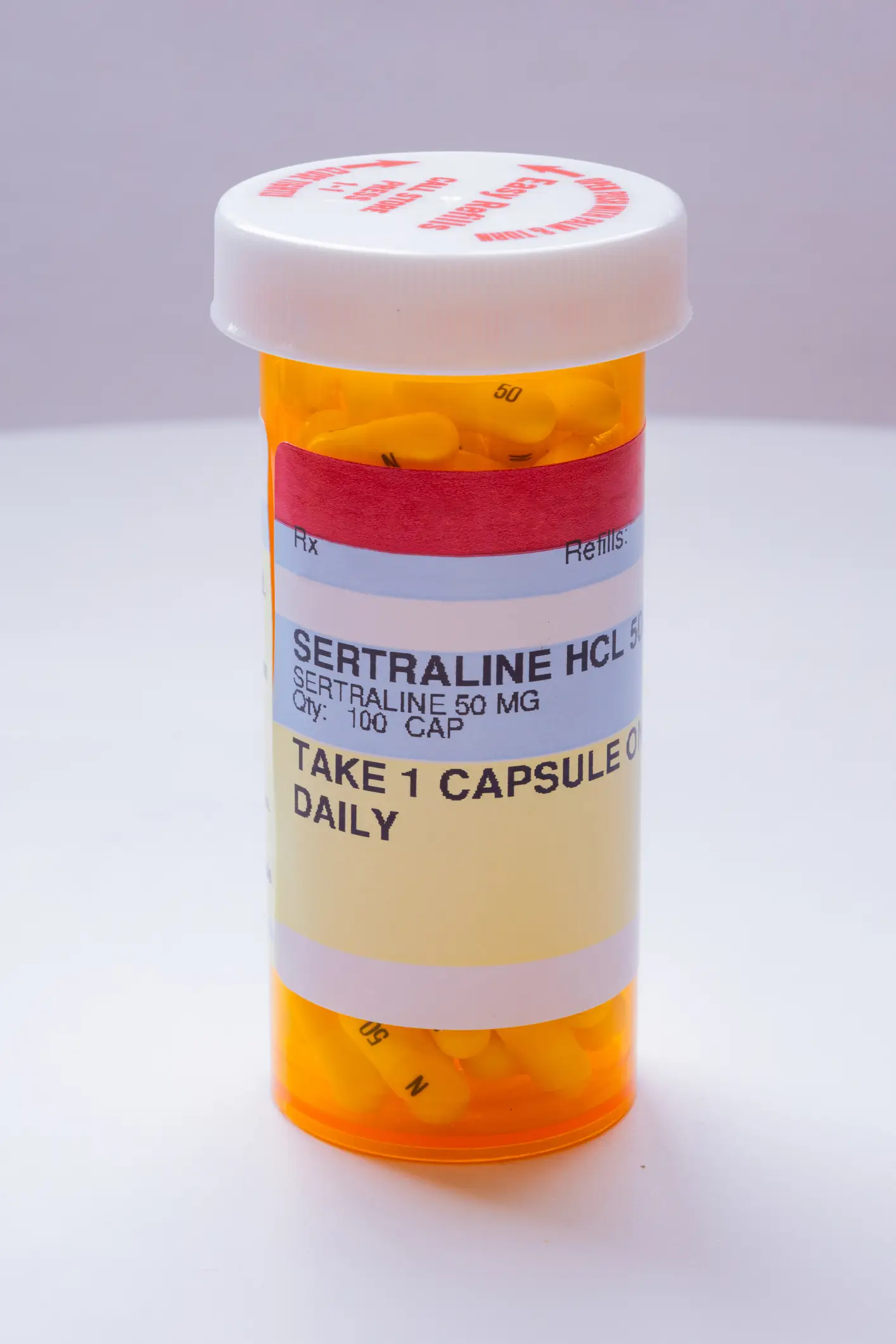
But despite the fact he had weaned himself off the medication gradually, as the NHS recommends, symptoms began to present itself.
The health service lists feeling low, suicidal, emotionally numb or like things are not real, as being symptoms of antidepressant withdrawal.
For Inan, many of these occurred.
He said: "Initially I thought I wouldn’t experience any withdrawal symptoms when being off it but then I started having them on occasional days where at night time, I’d have nervous breakdowns and panic attacks where I couldn’t breathe and my throat was throbbing."
Now, however, he says he doesn't experience 'those side effects and although I do appreciate the GP telling me what would happen in advance, having a constant reminder in the form of labelling on the package would’ve been helpful.'
What Inan says would have helped him, is something that is set to come into force in the UK, as part of the review.
Dr Alison Cave, MHRA Chief Safety Officer, said of the plans to create informed labels, leaflets and more regarding side effects: “Patients need clear and accessible information about the benefits and risks of medicines so they can make informed decisions.
“We are incredibly grateful for the valuable contributions of patients, families, clinicians and experts to this review.
“These measures will help ensure patients, carers and healthcare professionals can have more informed conversations about the benefits and risks associated with antidepressant medicines, and better support people throughout their treatment.”
The overhaul comes after a study published in The British Medical Journal, found that antidepressants, including sertraline, were associated with an increased risk of suicidal thoughts and behaviours in young adults under 25.
However, the study did not establish that sertraline directly causes suicide deaths.
If you’ve been affected by any of these issues and want to speak to someone in confidence, please don’t suffer alone. Call Samaritans for free on their anonymous 24-hour phone line on 116 123 or contact Harmless by visiting their website https://harmless.org.uk.
Topics: Mental Health, UK News, NHS
 Britt Jones