
Doctor warns of antidepressant withdrawal symptoms patients often mistake for returning depression

A doctor has revealed some worrying side effects that can be experienced after a person stops taking certain antidepressants in the UK as the MHRA announced it is introducing new measures to strengthen communication of its risks.
In light of the risks associated with antidepressants, patient information leaflets will now include a new boxed warning for side effects and Dr Tom MacLaren, Consultant Psychiatrist at Re:Cognition Health, is warning about what it means for patients.
He explained to LADbible that the review of current support and side effects is essential because while 'antidepressants are an important treatment for depression, anxiety and other mental health conditions' their 'benefits and potential risks need to be clearly communicated'.
He added: "A safety review is necessary to ensure patients understand what to expect when starting treatment, which symptoms may occur, and when to seek medical advice."
Advert
He explained that Sertraline - which is amongst other UK-sold antidepressant drugs - is also associated with a risk of sexual dysfunction, and more.
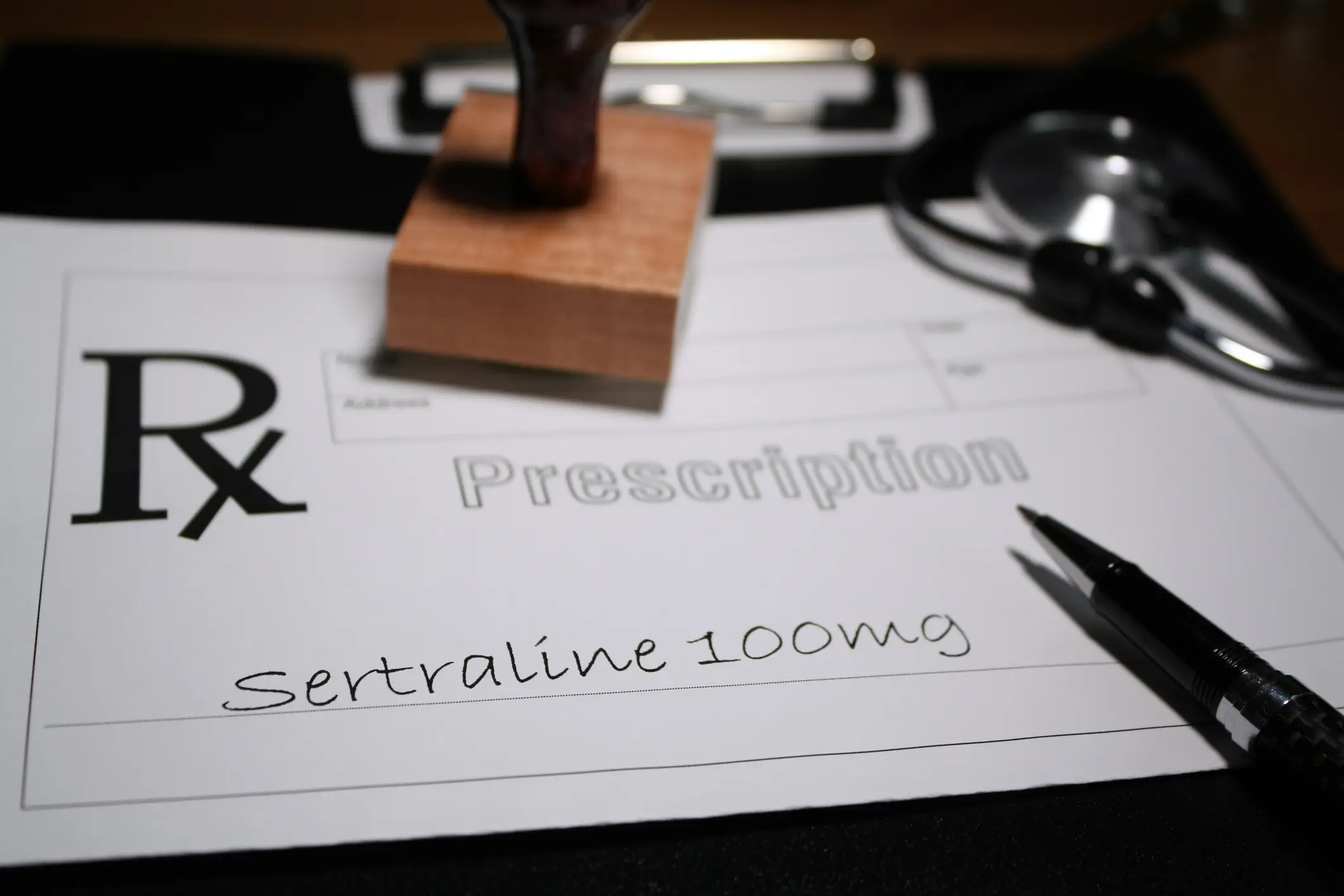
The antidepressant belongs to a group of medicines called SSRIs (Selective Serotonin Reuptake Inhibitors), and works by increasing the availability of serotonin, a chemical messenger in the brain involved in mood, anxiety, sleep and emotional regulation.
He went on to say that 'not everyone experiences these effects, and some improve as the body adjusts to medication', but it 'is important to distinguish potential medication side effects from symptoms of the underlying mental health condition.'
The expert revealed that the impact of sexual dysfunction can also cause further issues if not properly addressed, some of which can be dangerous to the patient.
"The impact can extend well beyond physical discomfort. Persistent sexual difficulties may affect self-esteem, intimate relationships and quality of life, while sleep disturbances or restlessness can interfere with work, concentration and daily functioning," said the expert, and revealed that it could lead to some patients feeling 'distressed or lose confidence in their treatment particularly if they were not adequately informed about possible side effects.'
He said: "In some cases, this can lead people to stop taking their medication without medical advice, potentially causing withdrawal symptoms or a return of their underlying condition.
"Suicidal thoughts or a significant deterioration in mood require urgent clinical attention. Clear information and supportive follow-up are therefore essential, helping patients feel heard and enabling clinicians to review treatment and consider alternatives when necessary."

According to a study published in The British Medical Journal, which analysed 99,231 adults across 372 clinical trials, antidepressants, including sertraline, were associated with an increased risk of suicidal thoughts and behaviours in young adults under 25.
The study, however, did not establish that sertraline directly causes suicide deaths.
According to the NHS, withdrawal of Sertraline can be dangerous if not done properly.
Among headaches, aching joints and muscles, feeling sick, and sweating, the health service also lists things like feeling low, suicidal, emotionally numb or like things are not real, as being symptoms of antidepressant withdrawal.
So, even if a person stops taking the medication after believing they no longer need to rely on them, the withdrawal symptoms may develop, and appear as though the depression is returning.
The expert added that in light of information regarding 'suicidal thoughts and behaviours', the MHRA is 'introducing more prominent warnings' as well as 'a patient safety card, and clearer information about sexual dysfunction that may persist after treatment has stopped.'
Dr Alison Cave, MHRA Chief Safety Officer, said of the changes: “Patients need clear and accessible information about the benefits and risks of medicines so they can make informed decisions.
“We are incredibly grateful for the valuable contributions of patients, families, clinicians and experts to this review.
“These measures will help ensure patients, carers and healthcare professionals can have more informed conversations about the benefits and risks associated with antidepressant medicines, and better support people throughout their treatment.”
 Anish Vij