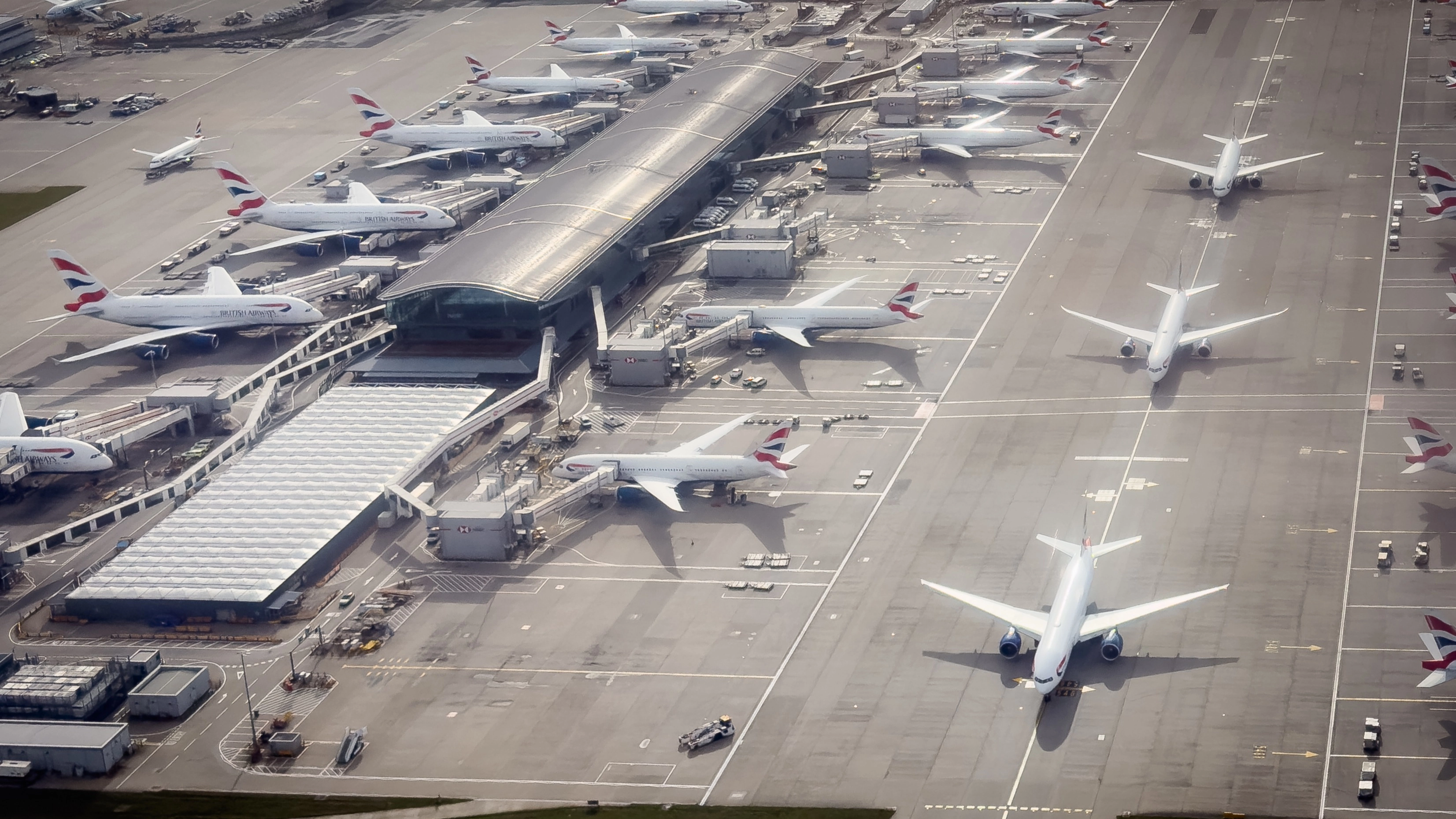
Airlines will be forced to cancel flights due to fuel shortages, Government says

The government has said airlines are going to be cancelling flights due to the potential for a shortage of jet fuel, as it changed some rules around to compensate for disruption.
It's a tough time for the aviation industry at the moment as war in the Middle East has blocked the Strait of Hormuz through which 20 percent of the world's fuel supply flows.
That's caused price rises and threatened the supply chain which could result in fuel shortages, though airlines have insisted they're still going to be operating flights throughout the summer.
iNews reports that a Department for Transport document is advising holidaymakers to stick to their plans as airlines 'hedge' their fuel, meaning they pay for it in advance.
Advert
However, they are also making some changes to time slots at airports to compensate for a possible disruption if flights have to be cancelled so any airline which doesn't use enough won't be affected in the long term.
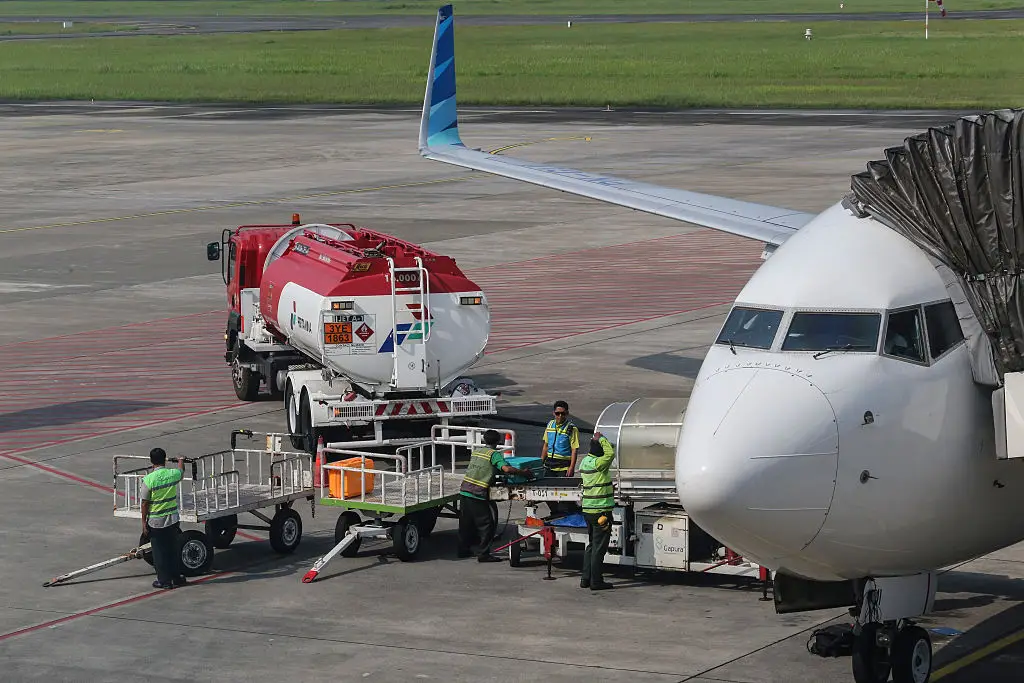
The document says: “At some UK airports, airlines are given scheduled times known as ‘slots’ in which to take off or land.
“Under normal rules, airlines must use at least 80 per cent of their allocated slots during a season to keep them for the following year. If they fall below this threshold, those slots can be reassigned to another airline. This is known as the ‘use it or lose it’ rule.
“Airport Co-ordination Limited, the independent body that manages slot allocation at UK airports, has updated its guidance so that airlines will not lose their slots if fuel shortages prevent them from flying.
“Airlines can now apply for an exemption from the ‘use it or lose it’ rule in these circumstances.
“This means airlines can focus on minimising disruption for passengers, rather than feeling pressure to operate flights purely to protect their slots.”
Airlines fearing they might lose their future slots because they don't have the fuel supplies to fly enough flights this summer will be safe from that consequence.
LADbible spoke with Ivan Stevenson, Associate Professor & Curriculum Lead for Aerospace Engineering & Aviation at the University of Coventry, who said airlines would be doing what they could to ensure holiday flights went ahead as that was their main money maker.
Summer and people flying for their holidays is where their money comes from, so it was definitely in the airline's interests to make sure they could cancel as few flights as possible.
He suggested that 'domestic flights would likely be cut first' to save on fuel, and if airlines had to remove flights to more popular destinations they would try to 'consolidate down' rather than cancel the route.
Professor Stevenson suggested that if airlines flew fewer flights on the routes then some passengers might end up being rebooked for other times and 'close out the bookings'.
Fewer flights will reduce the demand for fuel, and 'rebooking and consolidation' would be less expensive for the airlines than cancelling at the last minute due to lack of fuel.
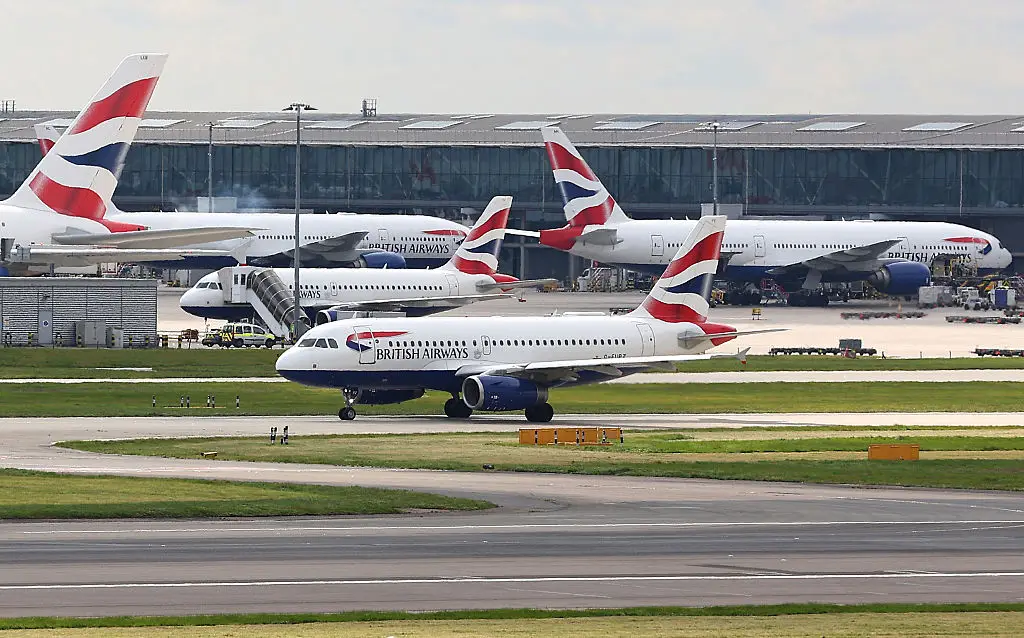
The impact of fuel supplies on air travel this summer may be fewer seats available due to planning rather than flights being cancelled at the last minute.
The government have also said that at the moment 'UK airlines are clear that they are currently not seeing a shortage of jet fuel'.
If your flight is cancelled then the good news is that you have a legal right to either a full refund or a replacement flight to get you to your destination, though options might be limited this summer.
"Contact the airline – this needs to be the airline operating the flight, even if you booked it through another airline. The airline’s customer services department will usually help," Citizens Advice says.
"Be ready to give all your flight details and booking reference numbers. Write your claim – say what went wrong and what you want the airline to give you. Include copies (not originals) of your tickets and any receipts.
"Keep records – keep copies of your claim and any response from the airline. Take notes if you speak to anyone from the airline - this could be useful if you decide to take your claim further."
However, this only applies if you are leaving from or travelling to the UK, leaving from the EU, Iceland, Norway or Switzerland, or arriving in the EU from a UK airline.
 Joe Harker