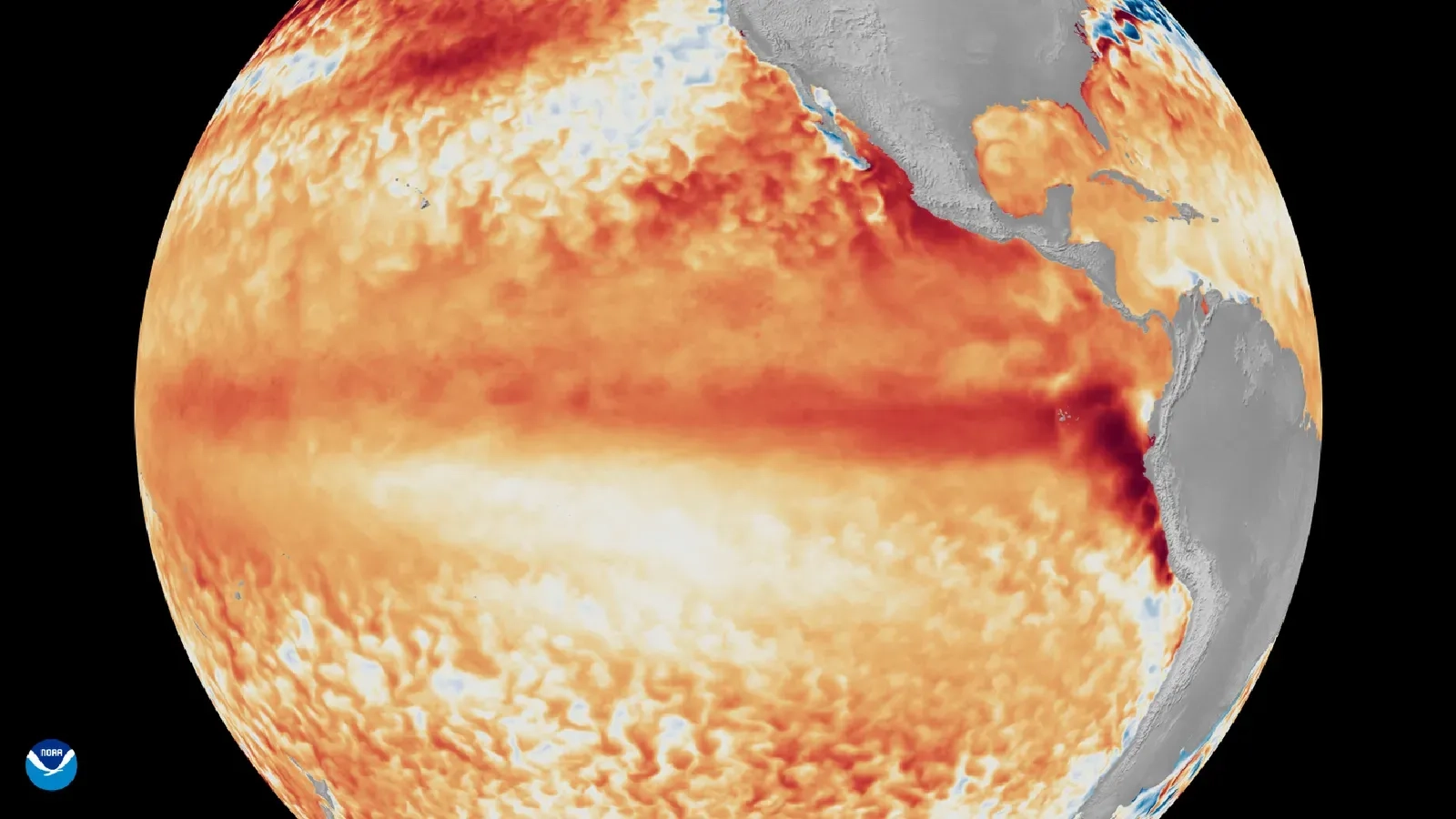
‘Super El Niño’ is carrying deadly ‘silent killer’ threat to entire world

Multiple heat records have already been smashed in the United Kingdom this year and scientists warn more is to come as a 'Super El Niño' could have deadly consequences.
The UK and Europe at large suffered an intense heatwave in June, with an El Niño – a weather phenomenon started by warm ocean surface temperatures leading to 'heat domes' which trap hot air in the atmosphere – event seeing temperatures soar.
The hot weather has continued into July and chief meteorologist and climate specialist at Florida's WFLA-TV, Jeff Berardelli, has warned that a 'supercharged global El Niño event' is almost certain to follow this year.
"90 percent of models say this will be a 'historic event', Berardelli told The Independent.
Advert
"An event so intense it doesn’t exist in our approximately 175-year record. And the models show big impacts worldwide."
It's not yet clear where will feel the brunt of the forecasted heatwaves, but Beradelli believes plenty of heat domes will occur all over the planet.
He added: "No telling ‘who’ gets the heat domes, but expect more intense heat domes all around the Northern Hemisphere this summer."
How heat has become a silent killer

Concerns have been raised about extreme temperatures being depicted as 'fun in the sun' rather than a serious health threat.
The MET Office estimated there were 2,700 excess deaths in England and Wales during the heatwaves in May and June.
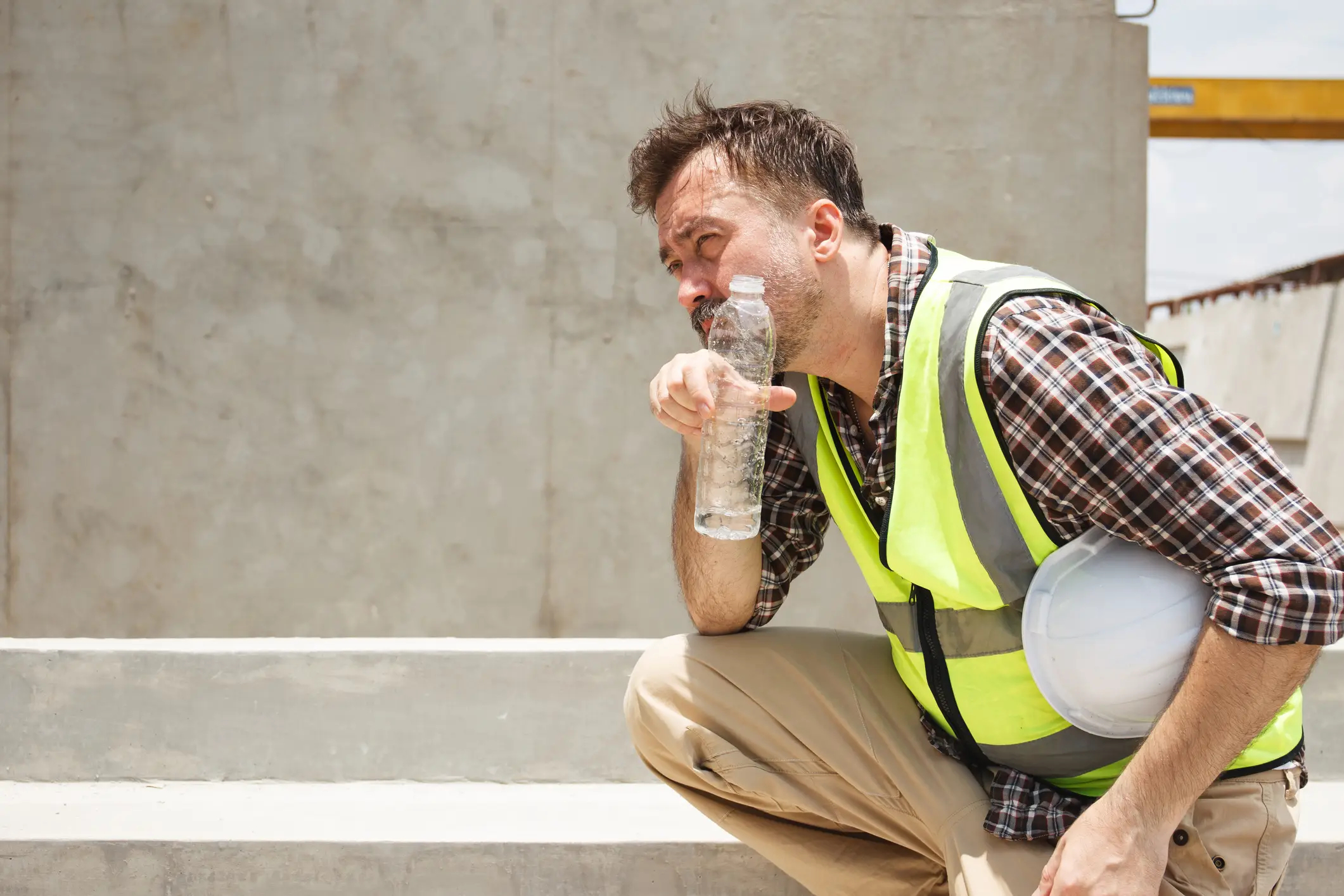
Yale University researchers believe people don't realise the dangers of extreme heat due to news, social media and marketing using positive images of the hot weather – people on the beach, swimming in lakes and enjoying the sunshine – making it a silent killer.
"The potential danger is that these images can make extreme heat seem pleasant, ordinary or manageable — especially to people who do not already see heat as a serious health risk," they told The Independent.
They have called for images that show the dangerous effects of extreme heat – which can strain organ function and force the heart to work harder – to be used, so people are more aware of the risks.
Families trying to keep cool, threatened infrastructure and vulnerable people showing symptoms of heat exhaustion would all help to raise awareness, as would even images of a more neutral nature, the researchers believe.
Just a person sheltering from the sun under an umbrella 'can still be effective without scaring people,' researcher Laura Thomas Walters said.
2026 could be Britain's hottest year ever
As well as health related issues, the intense heat has led to a spate of wildfires across the UK thanks to the dry conditions, with 499 being recorded in England and Wales between January 1 and July 16 this year.
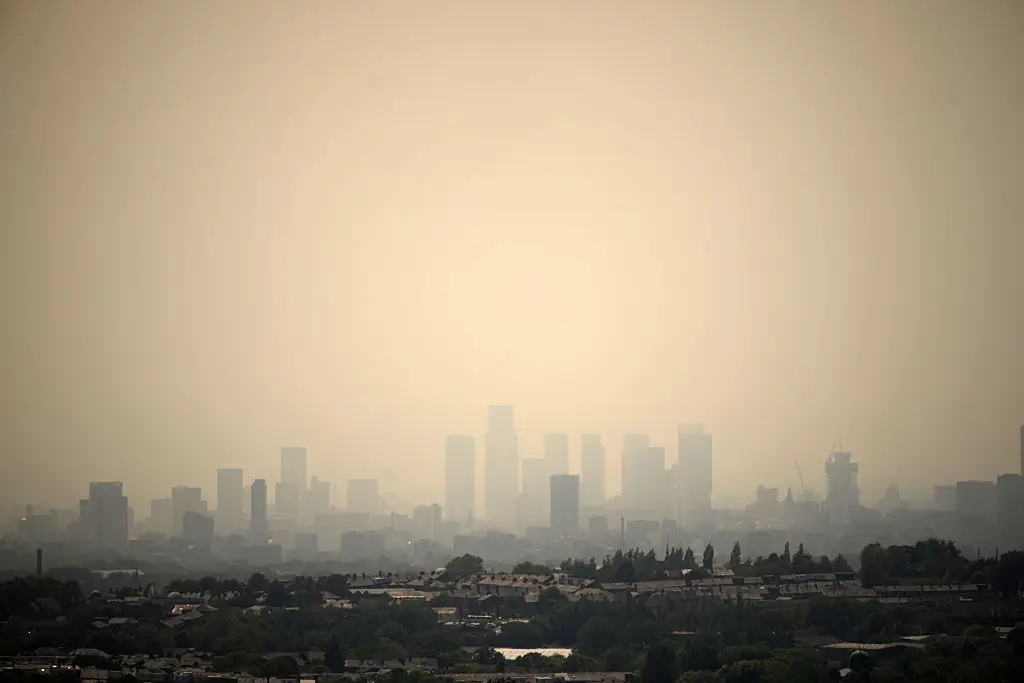
They're not consigned to Britain, either, with wildfires in Canada blanketing US cities in thick fog and potentially impacting the World Cup final on Sunday in New Jersey.
England reached temperatures of 30C for the 13th day in a row on Friday, July 17, taking the total number of days to reach such heights in 2026 to 28.
The current record stands at 34 days, set in 1995, and there are still two weeks of July and the whole of August to go.
Dr. Clair Barnes, Research Associate in Extreme Weather and Climate Change, Imperial College London said, via the MET Office: “Every time we have a heatwave, our news is filled with reporters at swimming pools, images of people eating ice cream and sunbathers on beaches.
"We all love the sun, but people need to be aware that we are now seeing dangerous climate-change-fuelled heat that is claiming lives, disrupting schools and hospitals and shutting down transport and infrastructure.
“It’s time we woke up to the fact that we now live in a country with dangerously hot summers. To protect people during future extremes, we must urgently adapt to the reality of the climate we now have, and double down on global efforts to reach net-zero emissions to stop this from getting worse.”
 Daniel Murphy