
UK proposes new laws that would close porn ban loophole

A group of House of Lords peers have proposed several major changes to smartphones and tablets that are sold in the country.
They could change how we browse the web altogether.
British lawmakers have further suggested that changes be made to VPN usage going forward - if passed, the government would enforce the restrictions within the following 12 months.
These touted laws come just months after the Online Safety Act saw several changes come into effect in July this year.
Advert
This included age verification being implemented for websites displaying 18+ content, such as pornography, and 'harmful' content being removed from sites which are intended to be kid-friendly.
The UK Government subsequently followed up with another porn crackdown, banning the use of strangulation and suffocation within the adult industry in November, months on from age restrictions being introduced.

What changes were made in the Online Safety Act?
The UK government announced changes to the Online Safety Act earlier this year, which was first introduced as law back in 2023, as websites which fail to comply with new rules could risk being fined £18 million or 10 per cent of their revenue.
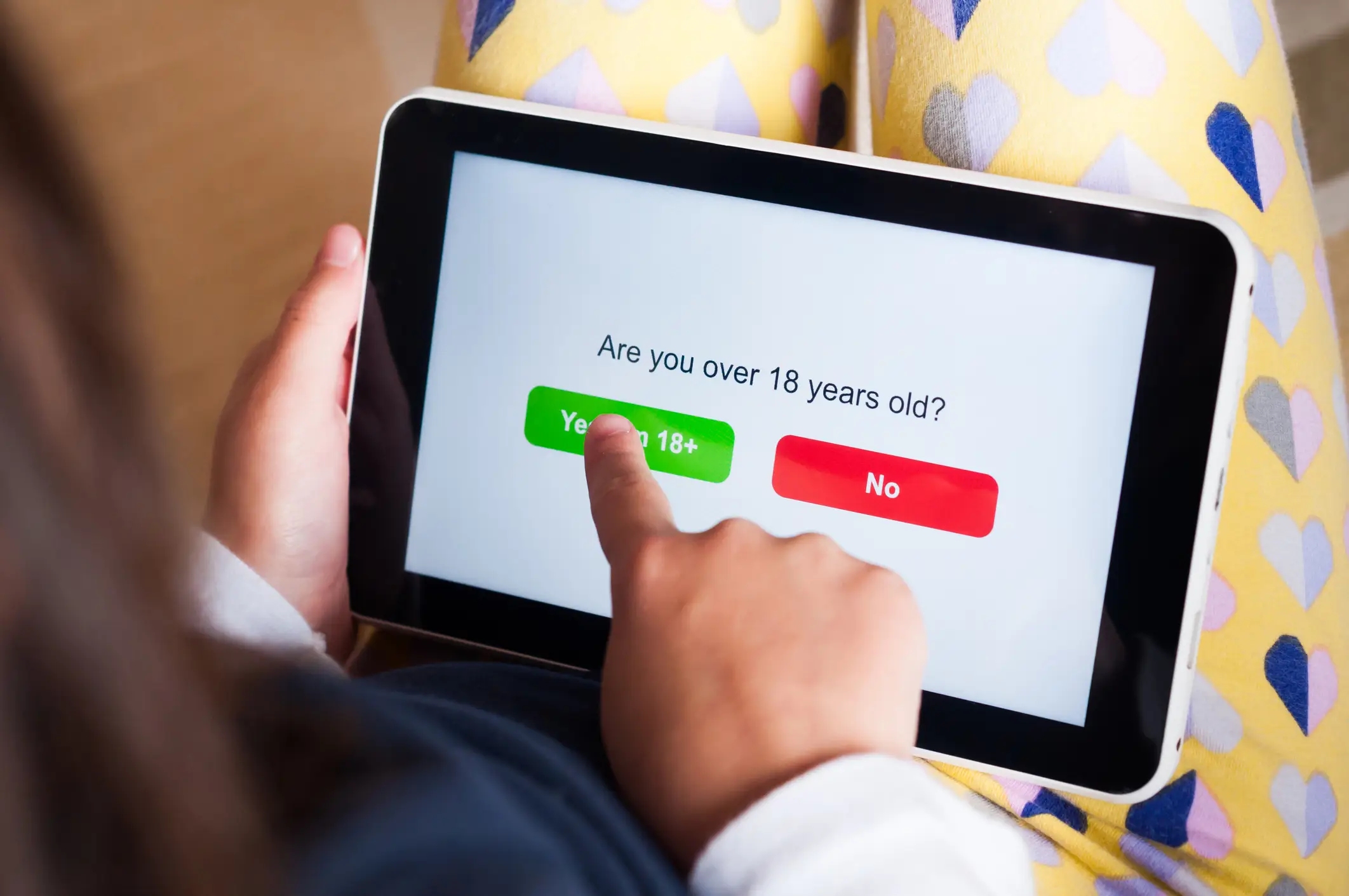
One of the main driving factors behind this move from the government was to prevent children from viewing potentially harmful content on the internet, with the days of selecting 'Yes, I'm over 18' when entering an adult site now a thing of yesteryear.
Ofcom states that the average age someone in the UK first sees explicit material online is 13, so it is now law that websites which could display porn must now demand a form of ID or photo identification that the user is an adult.
The likes of dating and social media sites are also included in this umbrella.
As for the latest porn crackdown, violence has now been banned in pornography after damning figures from LADbible's 'For F**k's Sake' campaign were released.
The campaign was aimed at starting an honest conversation about porn.revealed that 52 per cent of young women believed that porn reinforced sexual dominance among men, with 36 per cent believing that it reinforces traits of violence or aggression.
The government has now moved to protect young women from the harmful effects of violence in the adult industry, as strangulation in porn is now considered a 'priority offence' under the Online Safety Act.
More recently, Home Secretary Shabana Mahmood announced Labour's violence against women and girls (VAWG) strategy, which is set to be launched later this week.
The government have said that all police forces in England and Wales will have rape and sexual offences teams by 2029, while Mahmood is set to announce the introduction of domestic abuse protection orders following a regional pilot scheme.
These orders will be granted by judges in civil and criminal proceedings, meaning that certain sanctions will be imposed on offenders for anything from domestic abuse, economic abuse, or coercive and controlling behaviour, to stalking and 'honour'-based abuse.
This can include electronic tagging and exclusion zones, as the home secretary declared violence against women and girls a 'national emergency'.
So, what other changes could be in the pipeline?

Ban on VPNs for under-18s
Now, the cross-party group from the House of Lords Peers has put an amendment down which would ban children in the UK from using VPNs altogether, meaning there would be no way to get around the government's age verification.
Previously, downloading a VPN and connecting to another country would allow you to bypass the restrictions put on adult and pornography sites in Britain, but this may no longer be an option for those under the legal age.
The new rules state that VPN providers would have to verify the age of all UK users, with similar age-assurance methods being used to ensure no users are under the age of 18.
An explanatory note states: "This new clause would require the Secretary of State to take action to promote and protect children’s wellbeing, and to further support child protective measures in the Online Safety Act, by prohibiting the provision to children in the United Kingdom of VPN services which can facilitate evasion of OSA age-gating processes."
Introduction of software to monitor devices
This isn't all, though, as the government are also looking to make it a requirement that all smartphones and tablets sold must include built-in, tamper-proof software which would prevent the creation, sharing, or viewing of illegal child abuse content.
These potential new laws have been attached to the Children’s Wellbeing and Schools Bill, meaning that manufacturers must stay on top of devices and their capabilities to monitor content at all times, meaning it would involve scanning media and communications on devices at all times, including encrypted content.
A monitoring regime would be included, with measures likely to be put in place for companies that don't comply with these new rules, as the proposal is considered at the Report Stage of the Bill in the House of Lords.
For the amendment to become a law, it must be voted through both the Lords and the House of Commons.
This will be of huge concern to cybersecurity and privacy experts, with the 'highly effective' age verification that would be used to identify users, effectively undermining the privacy that VPNs were made to provide users.
While many have used VPNs to get around new laws, others use them to keep their data and information private - though not to fear just yet, as it isn't certain that these proposals are successful.
"Any relevant device supplied for use in the UK must have installed tamper-proof system software which is highly effective at preventing the recording, transmitting… and viewing of CSAM using that device," another proposal from Peers suggested.
Topics: UK News, Technology, Politics
 Joshua Nair