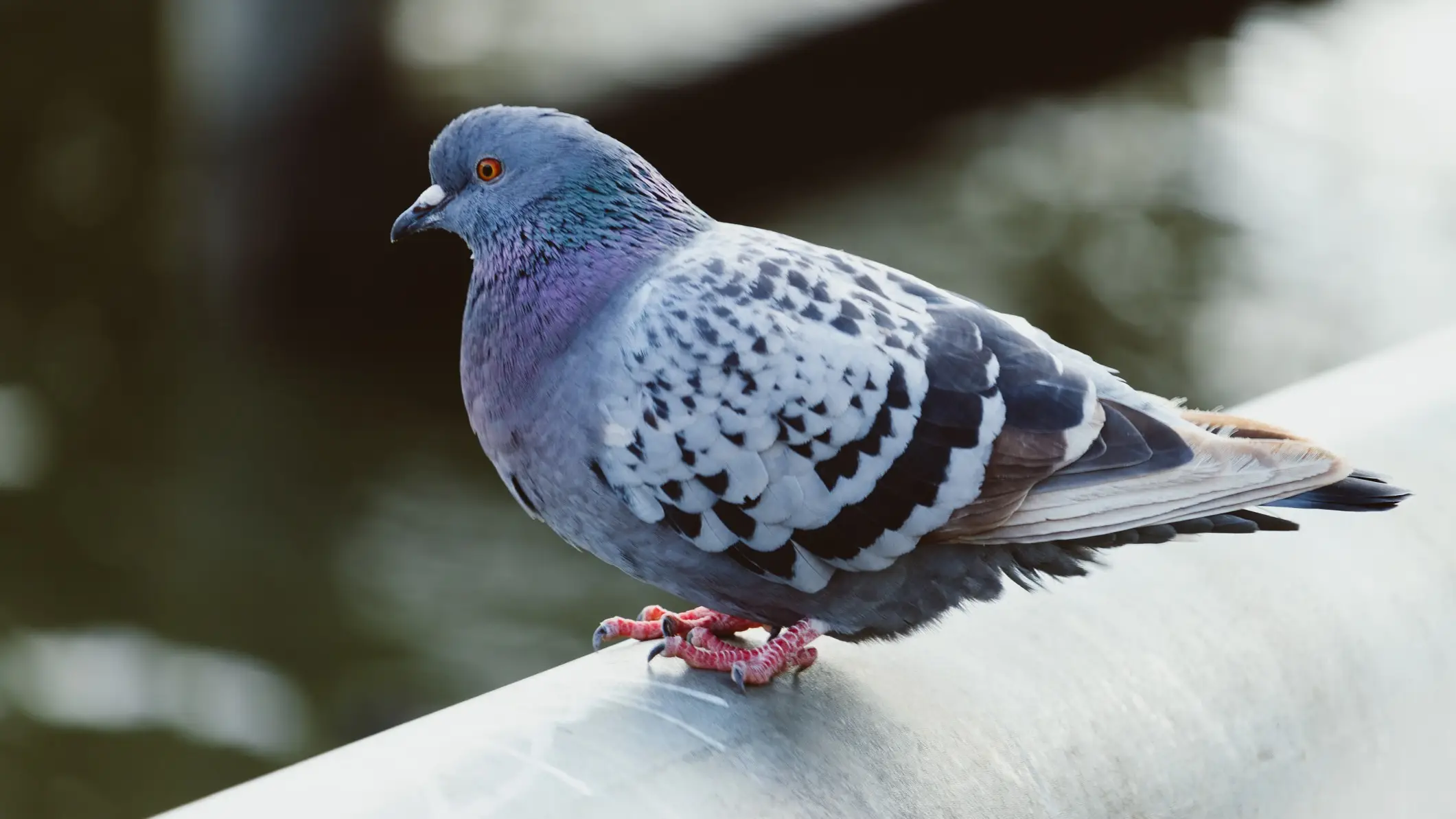
Reality behind why you never seen a baby pigeon

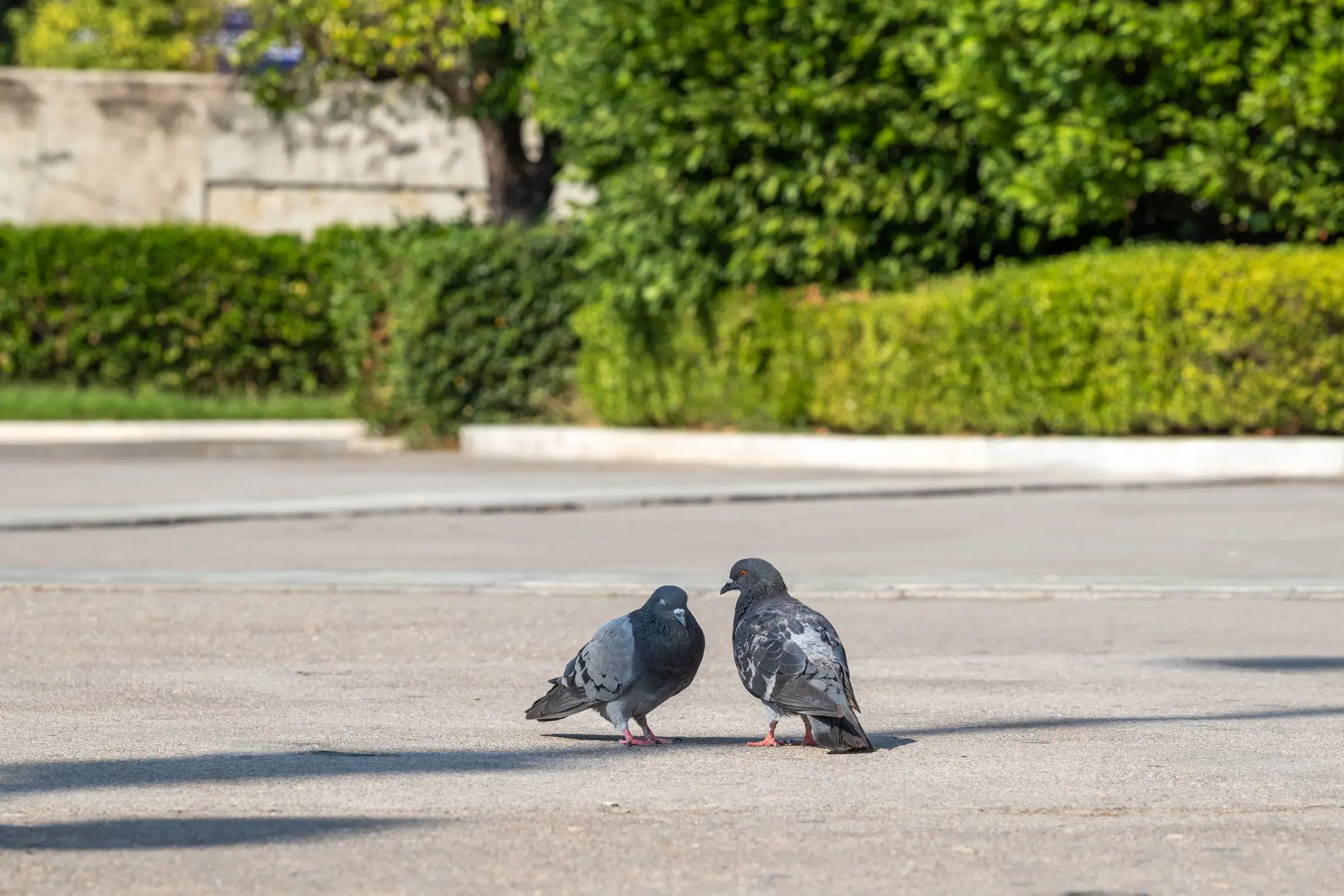
In your daily life you likely see a lot of pigeons, especially if you live in a city where they tend to flock to public spaces and scavenge whatever crumbs of food they can from what we leave behind.
While you do get the occasional odd-looking one, pigeons typically tend to come in the same shape and size which somewhat begs the question as to where their babies are.
You could march around a city centre all day and see dozens, if not hundreds of pigeons, or perhaps see the same pigeons several times on your bird hunt.
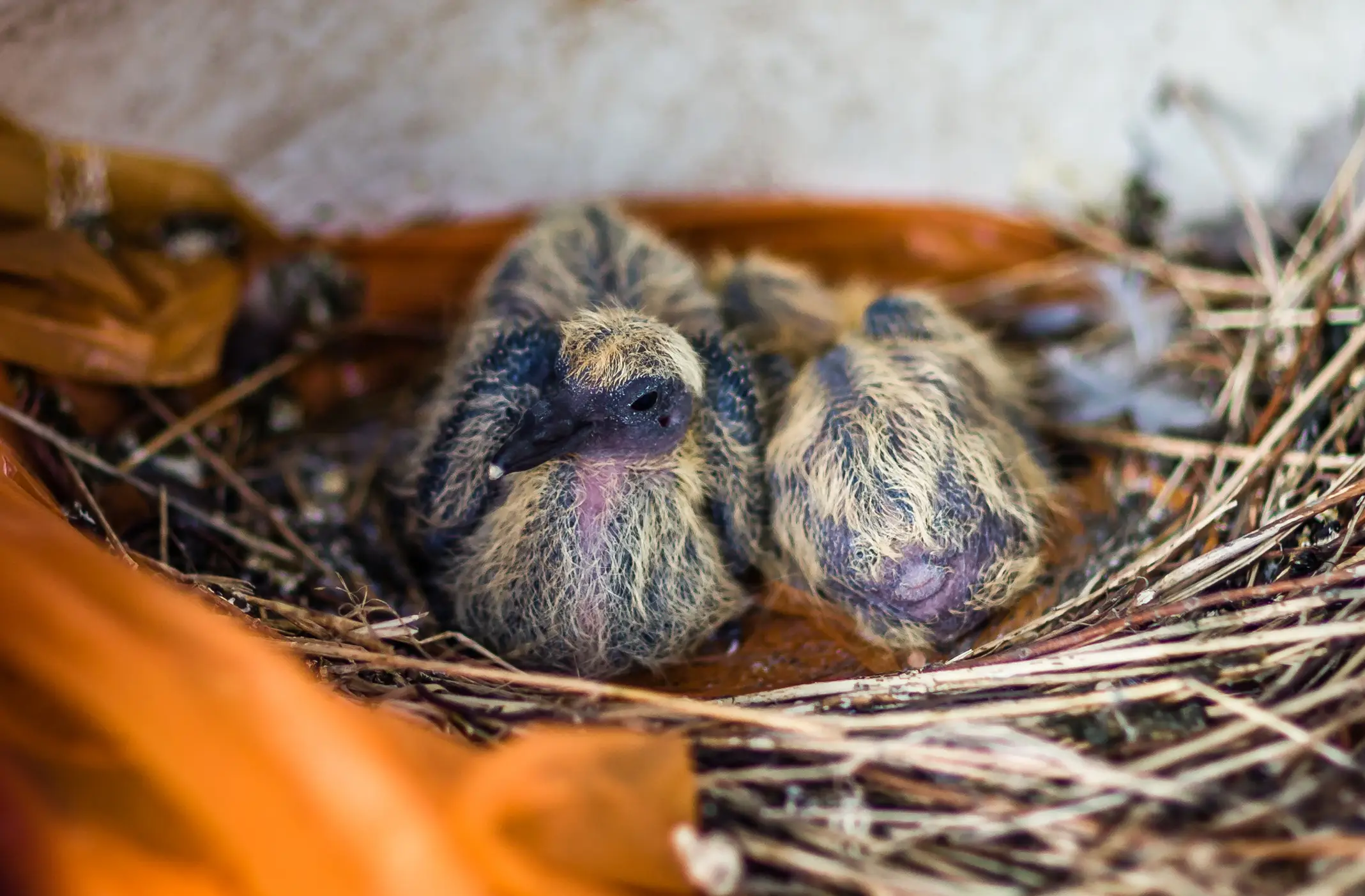
However, you'd be hard pressed to find a baby pigeon (called a squab) and there's a very good reason for that.
Advert
As Birds and Blooms explains, it's because the babies spend a relatively long time in the nest and only leave it once they've properly grown.
You should be old enough to know this by now, but the whole thing starts with a mummy pigeon and a daddy pigeon who get together because he's very good at strutting around and attracting a mate.
He then brings her sticks which she uses to build a net, and then a week or two after mating mummy pigeon will lay some eggs which typically take between 16 and 19 days to incubate.
The squabs are helpless when they hatch and need their parents to look after them, but they grow up very fast and after around four to five weeks they're ready to leave the nest.
The reason you never see a baby pigeon is because they're in the nest until this time and once they're ready to leave it they look like adult birds.
With the kids going out into the world to figure things out it's up to mummy pigeon and daddy pigeon to start the whole process again until there's so many they could devour a dropped bag of crisps in three seconds flat.
Of course the alternative (and wrong) answer to this is that birds aren't real, they're all part of a government plot to spy on us and they put the cameras inside adult sized pigeons rather than going through the painstaking process of aging them up.
There are many crackpot conspiracy theories swirling around, and some less ridiculous ones that turned out to be true, but among the nuttiest is the notion that 'birds aren't real'.
Proponents of the conspiracy theory claim birds are actually fake animals that are actually cameras watching our every move.
That rather makes one wonder where chicken comes from and why there are historical accounts of birds dating back far before the invention of the surveillance camera.
Presumably these historical records about birds are concocted claptrap designed to throw the curious individual off the scene and lull them into a false sense of security, but sadly for the 'birds aren't real' crowd pigeons very much are.
Topics: Animals
 Joe Harker