
Warning issued over ‘painful’ STI not prevented by condoms

From lessons in school to the lessons we get from movies, practicing safe sex is extremely important.
And of course, it’s not just for the case of preventing unwanted pregnancies but for looking after your sexual health.
However, while condoms might be the ‘glass slipper of our generation’, they don’t protect both men and women from everything.
And the UK Health Security Agency (UKHSA) recently warned that a ‘painful’ sexually transmitted infection (STI) that can’t be prevented by condoms is on the rise.
Advert
While diagnoses of many STIs decreased between 2024 and 2025, there was however this overall increase of 3.1 percent in genital herpes. Many people who carry this virus have no symptoms at all, so it can be completely possible to have it without even knowing.

The UKHSA’s warning
On the official Instagram account, the official government agency highlighted the rise in cases as it pointed out: “It’s a common STI, and many people have no symptoms.
“You can catch it through skin-to-skin contact like touching or rubbing, so it can be passed on without having penetrative sex.”
The UKHSA also dispelled a myth as it added: “You cannot catch it from toilet seats or towels.”
The risk of passing on the virus is higher in the first six months after infection and becomes rare after two years.
In its report, the agency explained: “It can also be transmitted when there are no visible blisters or sores, by a cold sore touching the genitals, or by transferring the virus from someone else's skin via the fingers. You can get genital herpes if you receive oral sex from a partner with oral herpes.”
Symptoms of genital herpes
While some may have no symptoms, there may be:
· small blisters that burst to leave red, open sores around the genitals, anus, thighs or bottom (which may appear less red on brown or black skin)
· a tingling, burning or itching sensation
· pain when urinating
· unusual discharge
Symptoms clear up on their own but can come back. They also might not appear for weeks or even years after infection.
You should avoid vaginal, anal or oral sex until any sores have completely gone away.
If you’re concerned, it’s worth getting checked out – even if you’ve not recently had sex.
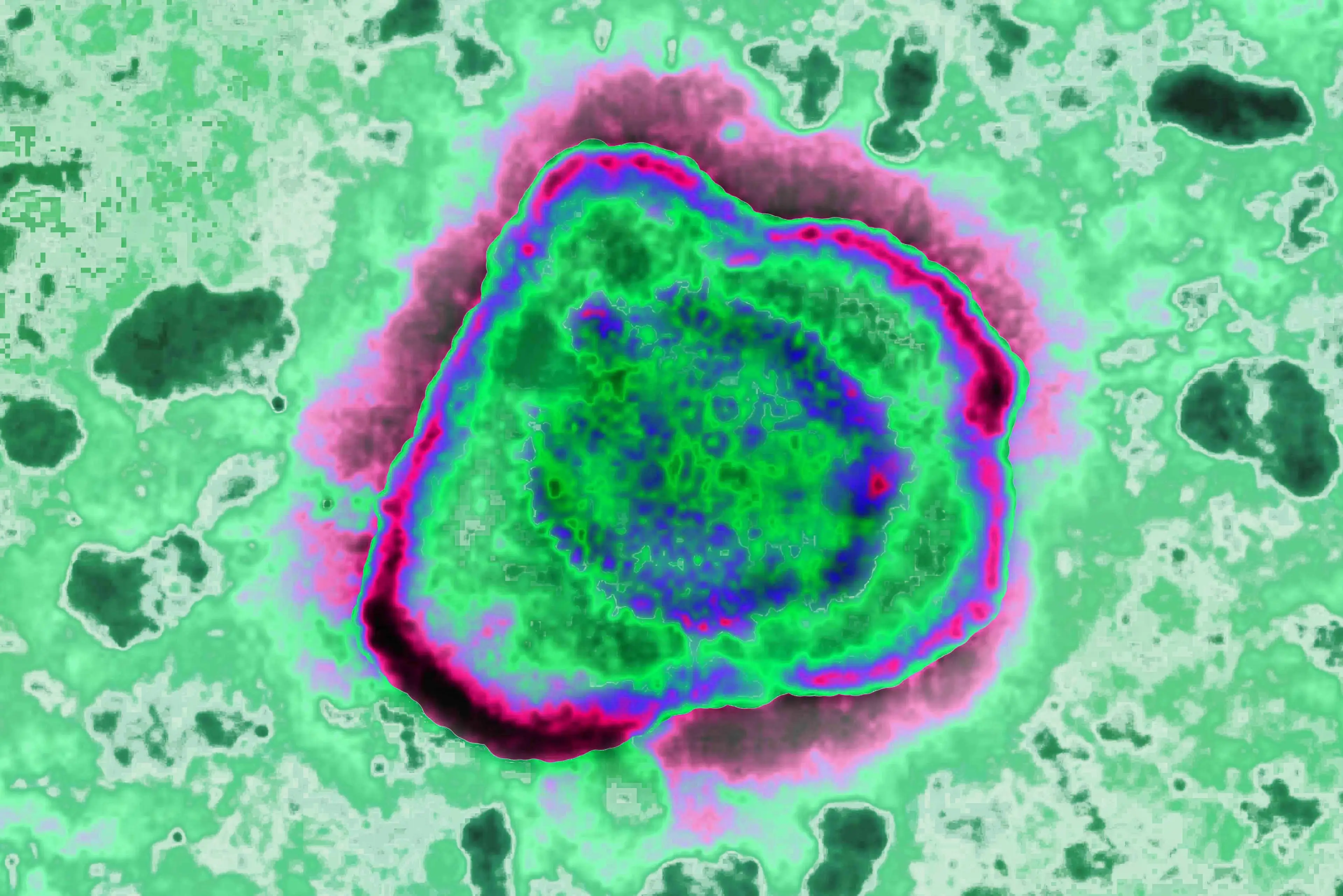
Treatment for genital herpes
There isn’t a cure for genital herpes and once you have it, the virus lays dormant in a nearby nerve.
While it doesn’t spread through your body, it can cause recurring episodes of blisters in the same area but these become less frequent and less severe over time.
If you have any symptoms you should go to a sexual health clinic as soon as possible.
The first time you have genital herpes, the clinic may prescribe you antiviral medicine and/or cream for the pain.
For more support or information, the British Association for Sexual Health and HIV has a handy genital herpes patient information leaflet covering testing and treatment of genital herpes. And there’s the patient support group Herpes Viruses Association which helps and advises those with herpes infection.
Topics: Sex and Relationships, Health
 Jess Battison