
Doctor issues health warning about 'silent STI' that can have no symptoms

A doctor has warned people about the dangers of getting a 'silent STI' where the symptoms won't present themselves for quite some time, meaning you won't even know you have it for ages.
An infection where the symptoms don't show for a long while means there's more of a risk you'll spread it to others without realising, and as Dr Elizabeth Boskey explained to Very Well Health people faced a plethora of dangers.
She explained that having a 'silent STI' could turn one unwitting infection into thousands in a matter of years, explaining that if one person with an STI had unprotected sex with a new partner each year and those partners followed the pattern then in 10 years that one infection could have spread to 10,000 people.
There's a lot of boinking involved to get to that point, but most humans are nothing if not willing to do the no-pants dance as that's the way our species survives.
Advert
The doctor explained that while an STI isn't transmitted every time someone with it has sex it is just a risk and the way they can spread is quick.

The common 'silent STIs'
Chlamydia is the most common treatable STI, and Dr Boskey explained that three quarters of women and half of men who have it don't even realise they've got an infection.
As such they could be spreading it around willy-nilly without even knowing they're doing it, and then the people they're spreading it to may not even realise they have it either and spread it further.
The doc's hypothetical scenario of one infection turning into 10,000 in a decade relied on everyone getting a new partner each year, she noted that if it turned into two sexual partners a year the number of potential infections climbed as high as 59,000.
She also explained that half of women and 10 percent of men with gonorrhea also didn't show signs of the disease, making it another 'silent STI'.
Just because you aren't showing symptoms doesn't mean you can't infect someone else, and even if you don't feel adverse effects on an infection they can still cause you long-term health issues.
Some of them can result in the likes of pelvic inflammatory disease, which can leave a person unable to have children.

Some 'silent STIs' don't have a cure
Another dangerous factor about silent STIs is that some of them can't be cured, only treated, and if left untreated they can lead to far worse conditions that can even be lethal.
Herpes is transmissible even when the person giving it to someone else isn't having an outbreak, and there is no virus for it which makes it one of the most common STIs.
Then there are the likes of HPV and HIV, both of which can be silent and symptomless for a long time before developing into life-threatening conditions.
HPV causes genital warts and cervical cancer, while HIV can lead to AIDS.
The only way to know
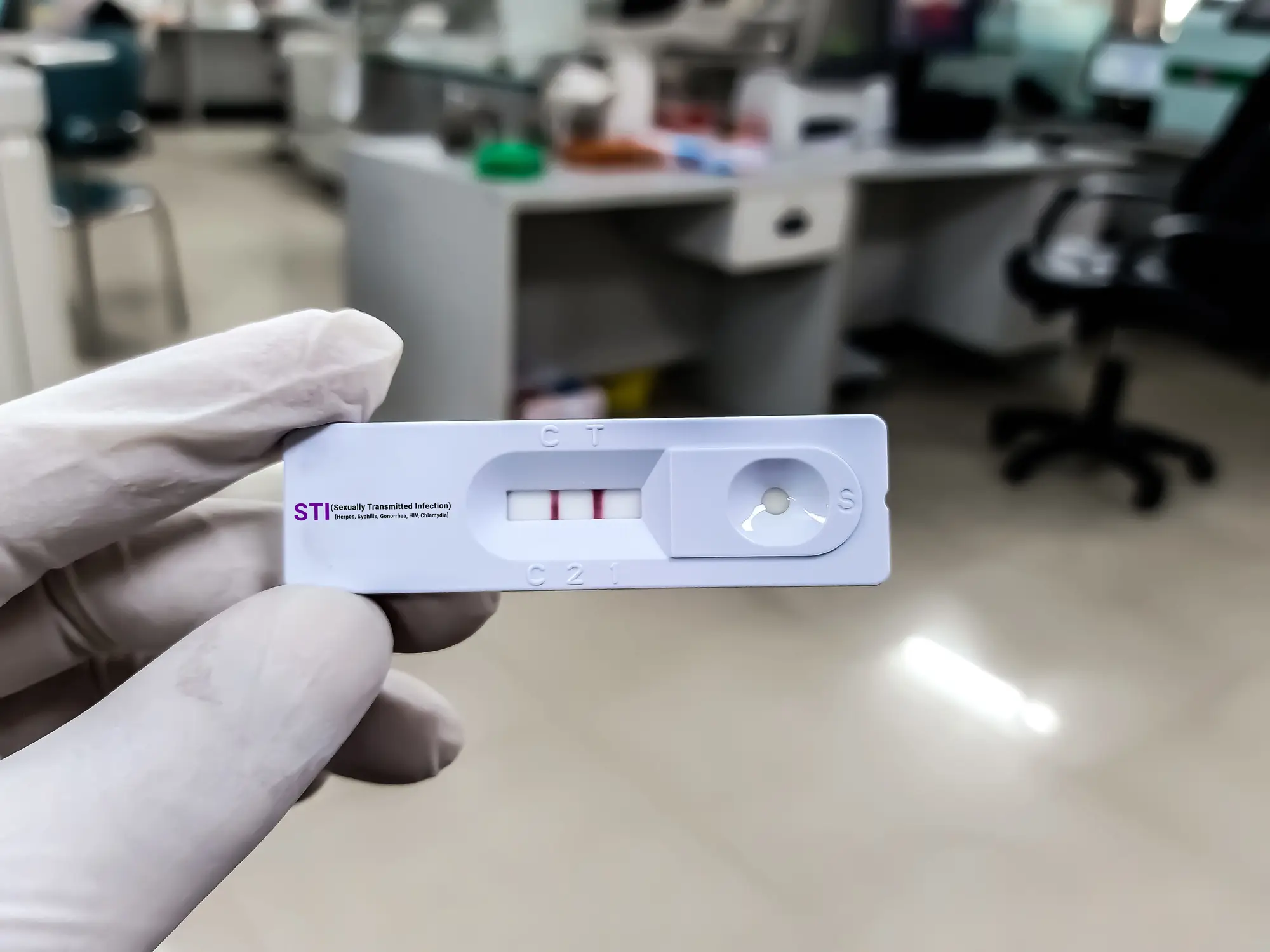
Dr Boskey said that in many cases the only way you were going to know if a new partner had an STI or not was to be tested, recommending that both you and your new partner get tested if you couldn't be completely sure you didn't have one.
She recommended that you stick to the rules of safe sex to avoid either getting an STI or spreading it to someone else, saying the responsibility to get tested and be a conscientious partner lay with you.
Topics: Health, Sex and Relationships
 Joe Harker