UK health agency issues warning over sexually transmitted ‘superbug’ on the rise

New data from the UK Health Security Agency (UKHSA) has suggested that cases of sexually transmitted Shigella in England are on the rise.
There were 2,560 diagnosed cases in 2025, from 2,052 in 2022 and 2,318 in 2024 - indicating a steady rise in England over the past few years.
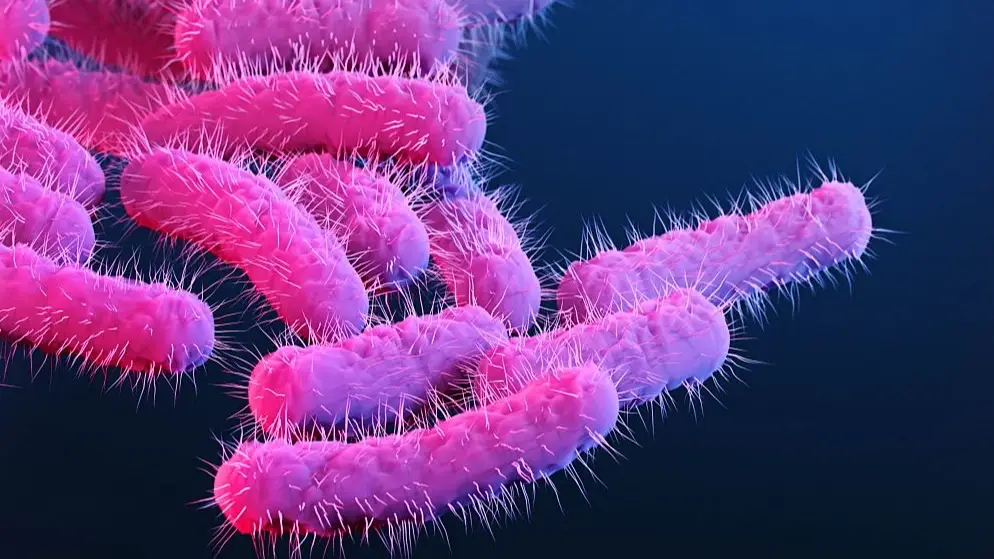
Shigella is a bacterial infection found in faeces (poo) that affects the gut and can spread when small amounts enter the mouth.
This can happen during sexual activity and through direct contact or unwashed hands. Only a very small amount of bacteria is needed to cause infection.
Advert
Sexually transmitted Shigella mainly affects gay, bisexual and other men who have sex with men (GBMSM).
Symptoms usually appear within one to four days after infection.
What are the symptoms of Shigella?

According to NHS Inform, symptoms of Shigella include:
- Diarrhoea (sometimes with blood)
- Stomach cramps
- Fever over 38°C
- Feeling sick or being sick
Anyone diagnosed with Shigella is advised to rest, drink plenty of fluids and avoid sex until at least seven days after their last symptom.
They should avoid swimming pools, hot tubs, spas, sharing towels, and preparing food for others while recovering.
But because the symptoms are similar to those of food poisoning, people may not realise they have it.

Health experts are also concerned about increasing antibiotic resistance, last year, 86 percent of Shigella sonnei samples and 94 percent of Shigella flexneri samples tested showed resistance to antibiotics.
Meanwhile, more than half of Shigella sonnei cases were classified as extensively drug-resistant.
While many people recover without medication, severe cases may require antibiotics and growing resistance means fewer treatments are available.
How to prevent Shigella

- Wash hands regularly, especially before preparing food and after using the toilet
- Wash hands after sex, especially if you’re touching someone’s anus or handling used condoms or sex toys
- Use condoms for anal sex
- Use dental dams for rimming
Dr Katy Sinka, Head of STI section at UKSHA, said: "The rise in sexually transmitted Shigella cases is concerning, but the risks of catching it can be reduced by good hygiene during and after sex and condom use – helping to protect yourself and your partners
"It is important that gay and bisexual men do not dismiss their symptoms and advice on self-care and preventing dehydration can be found on the NHS website by searching Dysentery.
"Those diagnosed with Shigella may also have been exposed to other sexually transmitted infections, including HIV, so a sexual health screen - at a clinic or by ordering tests online - is recommended."
Topics: UK News, Health, Sex and Relationships
 Anish Vij