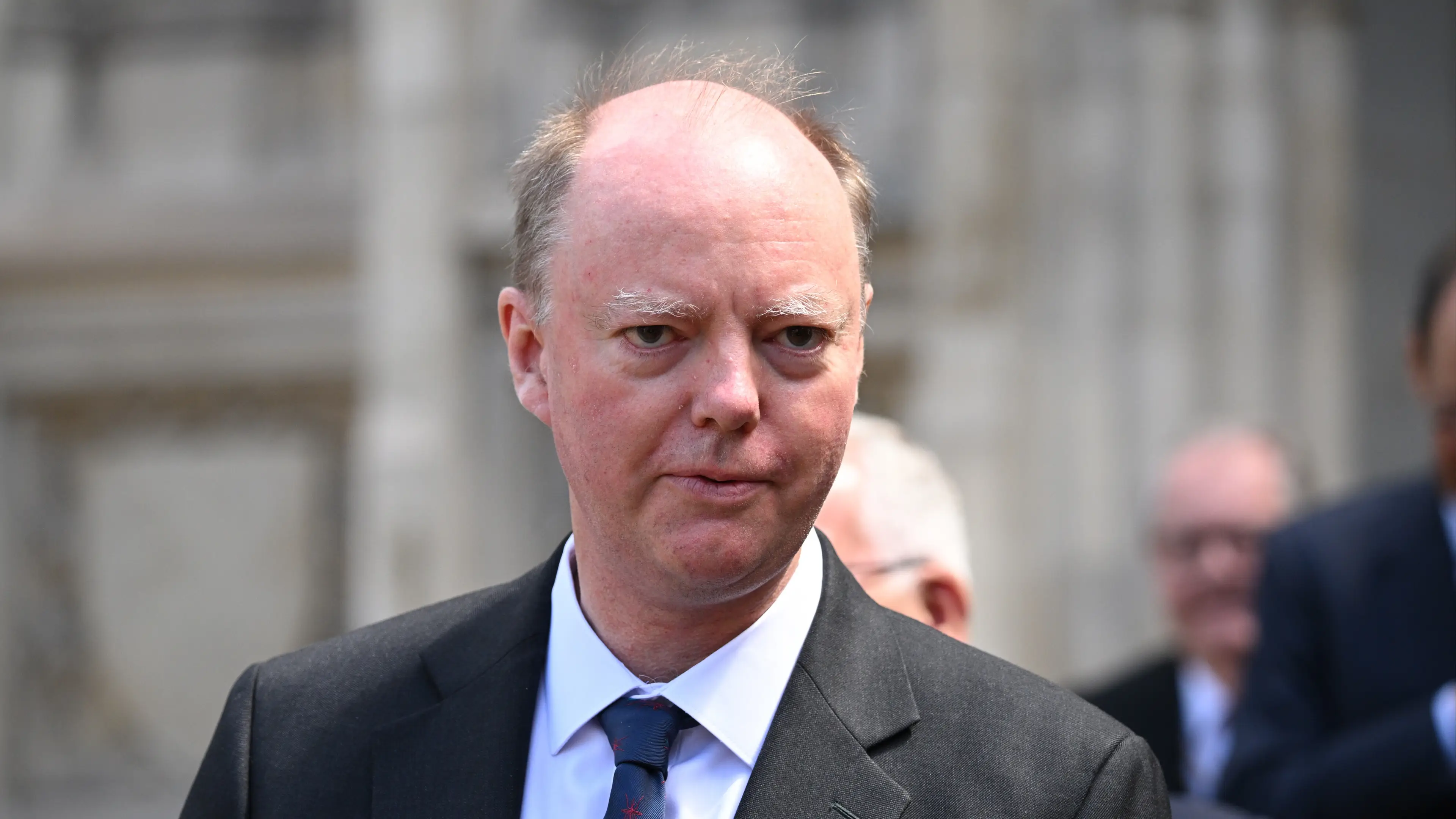
Chris Whitty explains five differences between heatstroke and heat exhaustion as heatwave hits UK

The heatwave is back in the United Kingdom but it hasn't been the cause for celebration it usually is.
The MET office has issued just its second ever red weather warning this week, which means the conditions are a 'danger to life.'
The West Midlands, East Midlands, London south-east, south-west and east of England are all covered by the heat-health alert, with temperatures forecast to hit a scorching 38C - and potentially even higher.
The red weather warning is in place from 1am on Wednesday (June 24) to 11pm on Thursday (June 25), but the mercury is already soaring on Tuesday (June 23), with millions planning to watch England take on Ghana in the World Cup at 9pm.
Advert
Humid conditions alongside the prospect of tropical nights - when the temperature does not drop below 20C - have led to fears of an increased number of deaths among those aged 65 and over or with health conditions, such as diabetes or heart problems.
As a result, it's far too hot to walk your dog and it's important for everyone to remain cool, hydrated and be aware of the key differences between heatstroke and heat exhaustion.

What you need to know about heat exhaustion and heat stroke during the UK heatwave
During the intense heat and sunshine, it's crucial to be able to spot the differences between heat exhaustion and heatstroke.
The biggest difference is in severity, with heat exhaustion typically not requiring emergency medical aid if treated quickly.
However, heat exhaustion can turn into heatstroke, which is a medical emergency and needs to be treated as such with urgent medical care.
Taking to X, England's Chief Medical Officer, Sir Chris Whitty, who rose to national prominence during the COVID-19 pandemic, shared a graphic outlining the different symptoms for each ailment.
Heat exhaustion symptoms:
- Feeling faint or dizzy
- Excessive sweating
- Clammy skin
- Nausea or vomiting
- Muscle cramps
Heatstroke symptoms
- Feeling confused
- No sweating
- Temperature over 40C, hot, dry skin
- Nausea or vomiting
- May lose consciousness r experience convulsions or seizures
On the post, Whitty added: "A red heat-health alert has been issued this week. Extreme heat can be dangerous for young children, elderly and vulnerable people.
"Rehydrating and cooling can be life saving."
How to treat heat exhaustion and heatstroke
The NHS explains what to do if you notice someone suffering from either heat exhaustion or heatstroke, with the symptons of heat exhaustion usually the same in adults and children.
For heat exhaustion, its advised to cool anyone showing symptoms down and give them fluids.
A four step guide is given that helps to cool somebody down.
- Move them to a cool place.
- Remove all unnecessary clothing like a jacket or socks.
- Give them plenty of water to drink – you can also give them an isotonic sports drink or oral rehydration powder that you mix with water, which will help replace salt lost through sweating.
- Cool their skin – spray or sponge them with cool water and fan them. Cold packs, wrapped in a cloth and put under the armpits or on the neck are good too.
It's added that you should stay with someone suffering from heat exhaustion until they feel better, which should happen within 30 minutes.
In the case of heatstroke, you must 'get immediate medical help' and call 999.
While waiting for medical assistance, it's advised to wrap the sufferer in a cool, wet sheet, or fan them, or sponge them down with cold water.
Should the person lose consciousness, then they should be placed in the recovery position, while CPR should be administered if there are no signs of life.
How to prevent heat exhaustion and heatstroke
The NHS also provides helpful, potentially life-saving, advice on how to stay cool in extreme heat and prevent heat exhaustion and heatstroke.
It's advised you should:
- Drink more cold drinks, especially if you're active or exercising
- Wear light-coloured, loose clothing
- Avoid the sun between 11am and 3pm
- Avoid drinking too much alcohol
- Avoid extreme exercise
- If you're inside on a very hot day, close curtains, and close windows if it's hotter outside than in your home, and turn off electrical equipment and lights that get hot
 Daniel Murphy