What happens if you don't pay licence fee as BBC loses £1.1 billion with millions refusing to pay

If you watch or record TV on any channel or TV service, or if you stream shows live or use BBC iPlayer, you're required to have a TV licence.
However, at £174.50 per year, many households have started refusing to pay the fee.
According to a report by the Commons Public Accounts Committee (PAC), last year, around 3.6 million households said they didn't have a TV licence because they don't want to use the services of the BBC.
It has resulted in a loss of £617 million, which is an increase from the previous year. Meanwhile, 2.9 million BBC viewers have reportedly evaded paying the fee, costing £550 million.
Advert
The report explains: "The BBC is not doing enough to enforce collection of the licence fee. While licence fee enforcement has traditionally relied on household visits, this approach is becoming less effective.
"Officers made 2 million visits to unlicensed homes in ’24’-’25 - a 50% increase on the previous year - but this has not translated into higher sales or successful prosecutions."
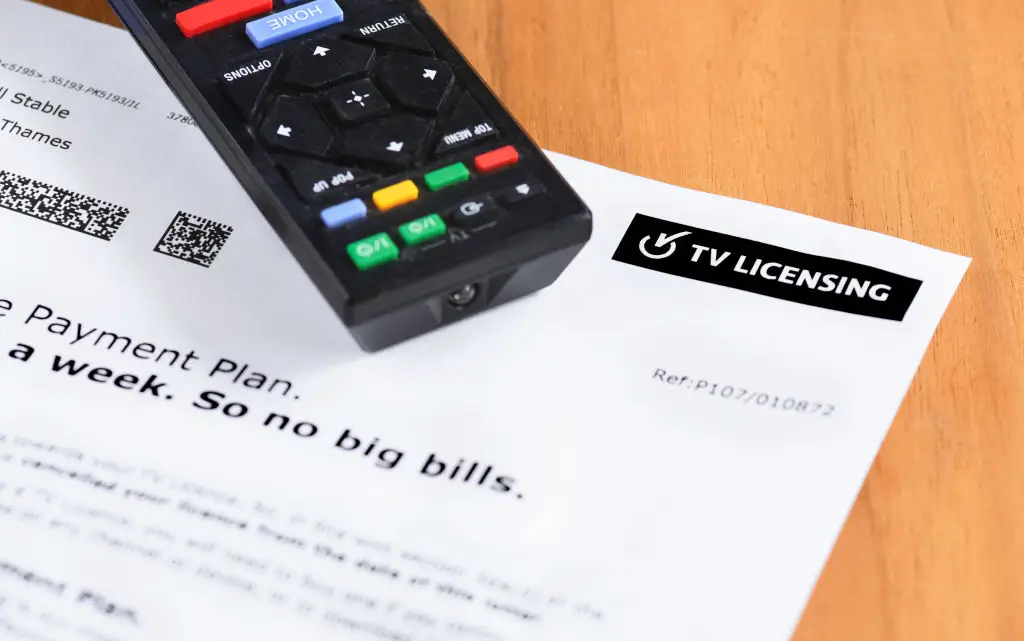
So, what actually happens if you don't pay the fee?
If you don't pay, you could find yourself in court and paying a hefty fine that costs more than the licence fee itself. We're talking a maximum fine of £1,000, plus court costs.
A TV Licencing spokesperson previously told LADbible: "A TV Licence provides cover for anyone watching or recording a TV programme on any channel; watching live content on streaming services; and using BBC iPlayer.
"Information is available on the TV Licensing website and via the customer services team, who can help with any queries."
The spokesperson continued: "TV Licensing’s primary aim is to help people stay licensed and avoid prosecution - which is always a last resort. We are doing all we can to help people and offer a range of concessions and payment schemes which support people who fall into financial difficulty.
"If it is necessary to consider prosecution we apply evidential and public interest tests."
LADbible has reached out to the BBC for further comment.
A BBC spokesperson said: “As was made clear in the Committee session, the licence fee needs reform.
“We are actively exploring all options that can make our funding model fairer, more modern, and more sustainable, but we’ve been clear that any reform must safeguard the BBC as a universal public broadcaster.
“We look forward to engaging with government, Parliament and the public on the next Charter to secure the long-term future of a publicly funded BBC that serves and delivers for everyone.
“In terms of the current funding model, TV Licensing works hard to collect the licence fee and enforce the law efficiently, fairly and proportionately and we are audited on this each year. The National Audit Office reports that we continue to successfully deliver on these measures.
“We thank the Committee for its report and will respond to the recommendations in full when we provide our formal response.”
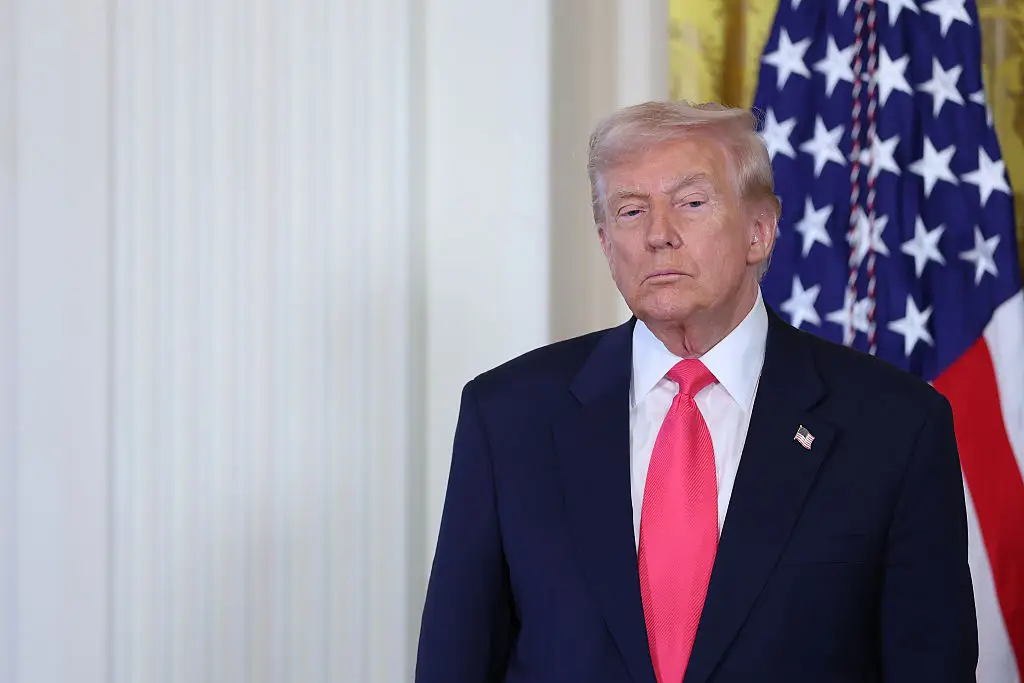
The report comes following the resignation of Sir Tim Davie after US President Donald Trump threatened legal action against the corporation.
This, after the BBC aired a misleadingly edited clip of the president in 2024 as part of its Panorama programme.
The lines in the clip, which were spliced together by the BBC, were reportedly said nearly an hour apart, which led the president to suggest that the company had 'defrauded the public'.
Trump has threatened to sue the BBC for up to $5 billion (£3.8 billion); however, BBC chair Samir Shah has reportedly said the corporation is 'determined to fight' the defamation claims.
Topics: TV and Film, BBC, Crime, Money
 Lucy Devine