
Atorvastatin can have life changing side effects in some people, NHS say

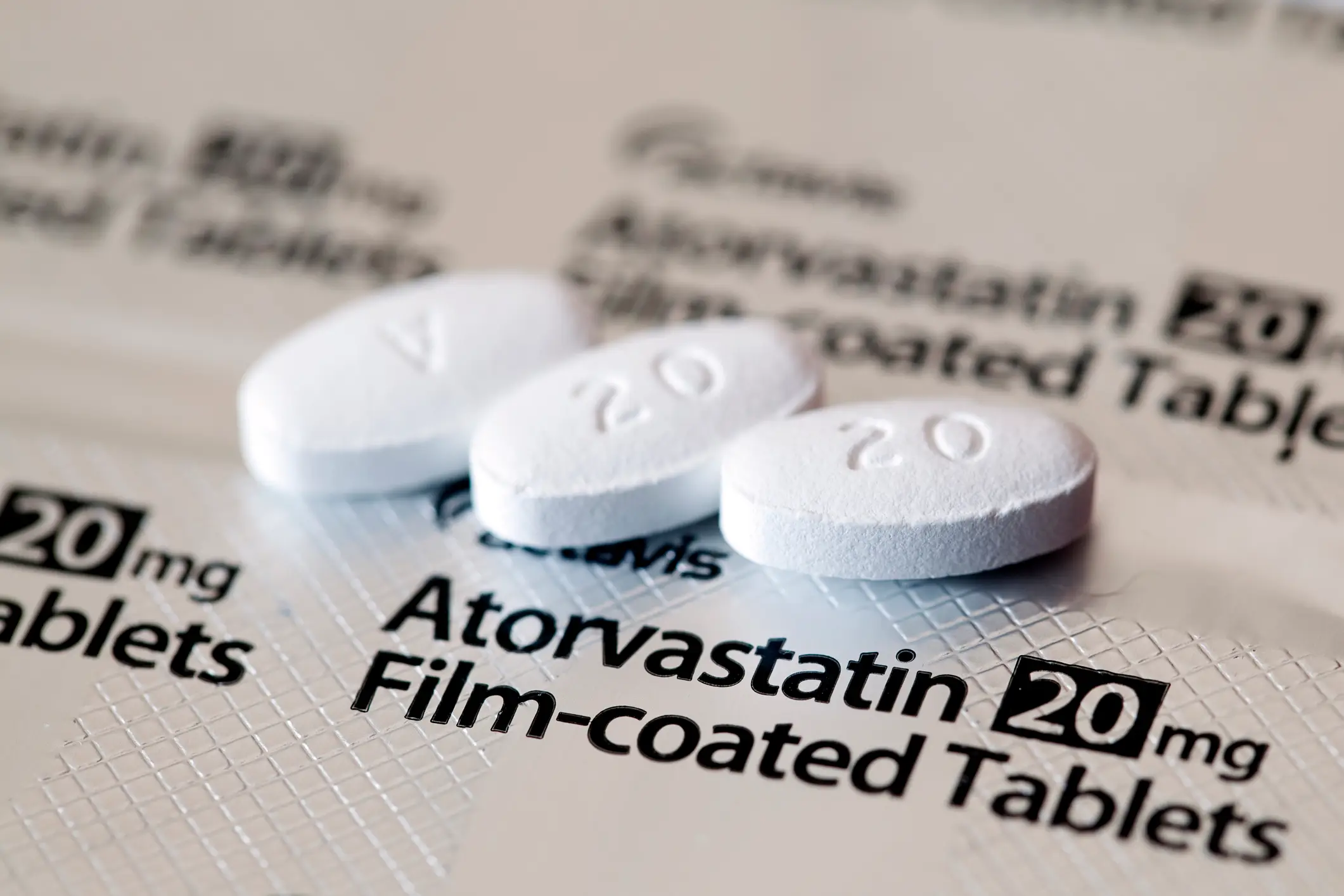
The NHS has warned that a prescription medicine used to lower cholesterol and reduce the risk of heart attacks can cause a rare side effect for some people.
Atorvastatin is part of a group of medicines called statins which works by slowing down the liver's cholesterol production.
It's meant to lower 'bad' cholesterol (LDL) and raise 'good' cholesterol” (HDL) in your body.
Doctors prescribe atorvastatin to people with high cholesterol or those at risk of heart disease.
Advert
Usually taken once a day, with or without food, the medicine is meant to work well when combined with healthy balanced meals, exercising regularly and not smoking.
However, the NHS has listed some serious side effects on their website, including 'a rare long-term condition that causes muscle weakness' called myasthenia gravis.
What is myasthenia gravis?
Myasthenia gravis 'most commonly affects the muscles that control the eyes and eyelids, facial expressions, chewing, swallowing and speaking' and can also 'affect most parts of the body'.
While it can affect all age groups, it typically starts in 'women under 40 and men over 60'.
Symptoms of myasthenia gravis:
• Drooping of eyelids
• Blurred or double vision
• Trouble smiling or making normal facial expressions
• Difficulty chewing food or swallowing
• Slurred or unclear speech
• Weakness in the arms, legs, or neck
• Shortness of breath, sometimes with severe breathing problems

Treatment for myasthenia gravis
While there is no cure, treatments like surgery, medication and emerging therapies are used to manage symptoms.
The NHS advice is to avoid 'anything that triggers the symptoms – some people find that things such as tiredness and stress make their symptoms worse'.
They also suggest to take medicine that improves muscle weakness and to consider 'surgery to remove the thymus gland (a small gland in the chest linked to myasthenia gravis)'.
"It is common for people to have 'flare-ups', where symptoms are very troublesome, followed by periods of remission, where symptoms improve," the NHS says.
"While remission can sometimes be permanent, this is rare in cases of myasthenia gravis.
"If severe, myasthenia gravis can be life-threatening, but it does not have a significant impact on life expectancy for most people."

Common side effects of Atorvastatin
The NHS said that these 'common side effects of atorvastatin happen in more than 1 in 100 people':
• Nausea or upset stomach
• Headaches
• Nosebleeds
• Sore throat
• Cold symptoms such as a runny, stuffy nose or sneezing
• Constipation or excess gas
• Diarrhea
 Anish Vij