Iran makes eleventh-hour deal after Trump threatens 'whole civilization will die'

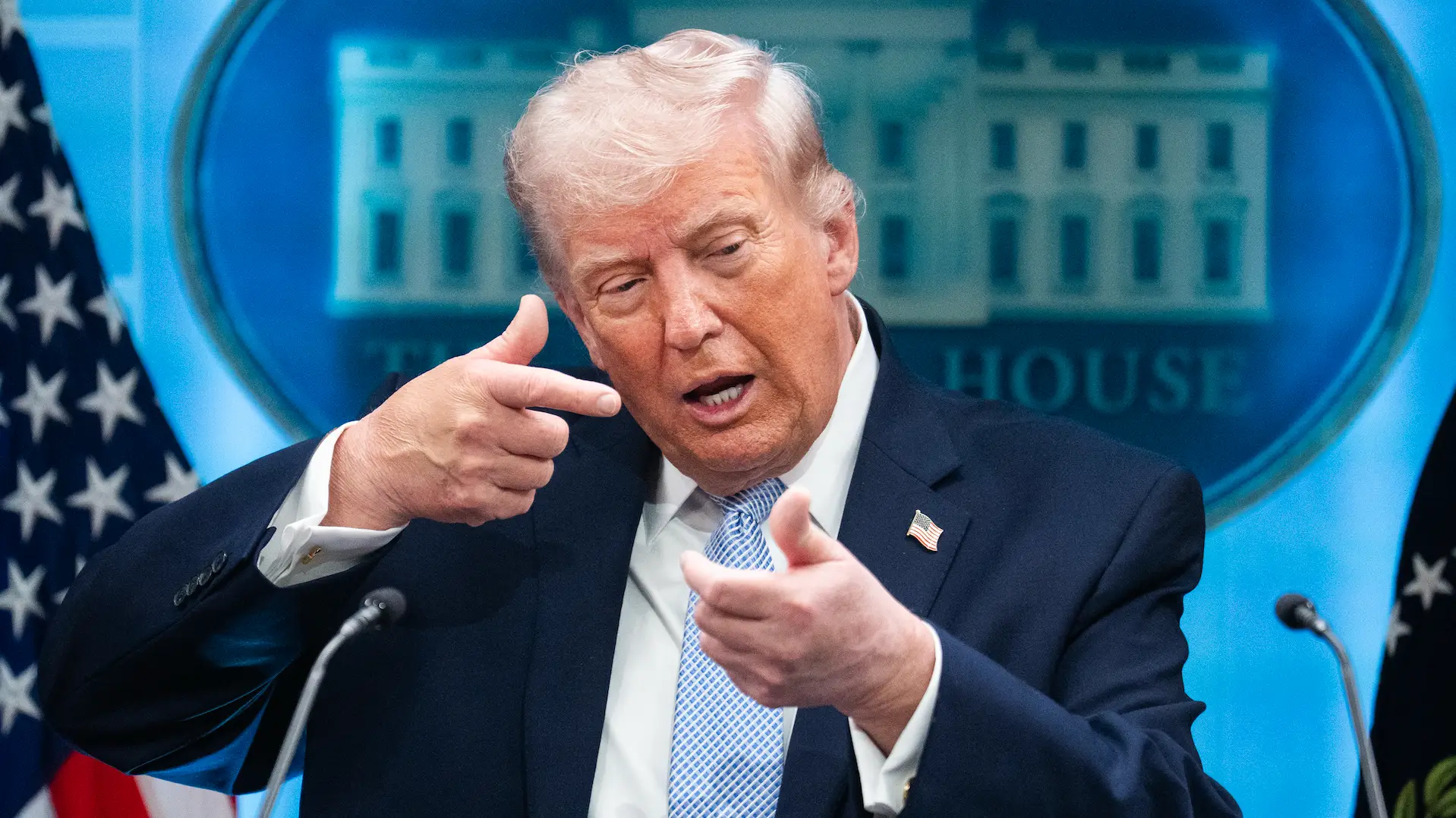
Iran and the US have agreed on a conditional two-week ceasefire following Donald Trump's warning that 'a whole civilisation will die'.
The president's apocalyptic plan to bomb Iran has been suspended with the condition that the Strait of Hormuz reopens.
Trump insisted that Tehran's 10-point plan provided 'a workable basis on which to negotiate'.
However, the Iranian regime said in a statement that its 'hands remain upon the trigger' with the temporary truce in place.
Advert
After a White House official confirmed that Israel has accepted the terms of the ceasefire agreement, Prime Minister Benjamin Netanyahu said this did not apply to fighting against Hezbollah in Lebanon.
The move comes after a request by Pakistan, which has been acting as a mediator in the conflict.
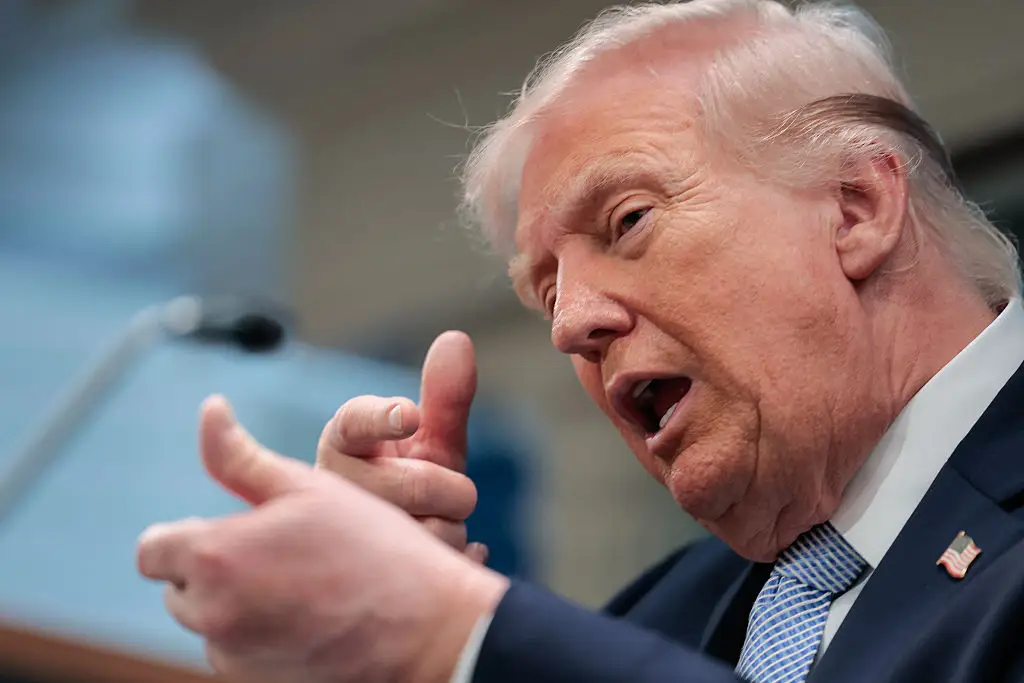
Trump wrote on Truth Social: “Based on conversations with Prime Minister Shehbaz Sharif and Field Marshal Asim Munir, of Pakistan, and wherein they requested that I hold off the destructive force being sent tonight to Iran, and subject to the Islamic Republic of Iran agreeing to the COMPLETE, IMMEDIATE, and SAFE OPENING of the Strait of Hormuz, I agree to suspend the bombing and attack of Iran for a period of two weeks.
“This will be a double-sided CEASEFIRE!
“The reason for doing so is that we have already met and exceeded all Military objectives, and are very far along with a definitive Agreement concerning Longterm PEACE with Iran, and PEACE in the Middle East.”
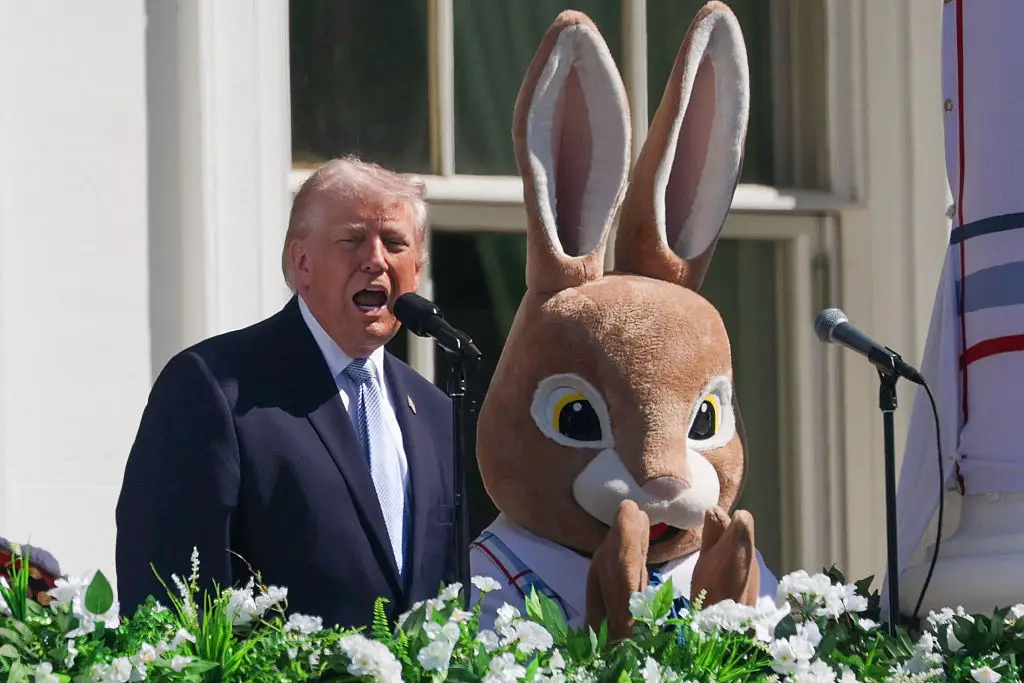
He added: “We received a 10-point proposal from Iran, and believe it is a workable basis on which to negotiate.
“Almost all of the various points of past contention have been agreed to between the United States and Iran, but a two-week period will allow the Agreement to be finalized and consummated."
Iran’s Supreme National Security Council said it would negotiate with the US in Islamabad on Friday. While accepting a ceasefire, it said in a statement: “It is emphasised that this does not signify the termination of the war.
“Our hands remain upon the trigger. And should the slightest error be committed by the enemy, it shall be met with full force.”
Iran’s foreign minister Abbas Araghchi said: “For a period of two weeks, safe passage through the Strait of Hormuz will be possible via coordination with Iran’s armed forces and with due consideration of technical limitations.”
FACT CHECK: Why did Trump attack Iran in the first place?
Conflict erupted in the Middle East after the US and Israel launched strikes on Iran on 28 February, which killed the nation's supreme leader, Ali Khamenei. In response, Iran launched retaliatory strikes on Israel and US-allied states in the Gulf.
The conflict has quickly ramped up, spreading across the Middle East to countries with US bases such as Qatar, Bahrain, Jordan, the United Arab Emirates (UAE) and Kuwait, with at least 24 people having been killed across the Gulf so far.
Israel's Defence Minister Israel Katz said the first wave of strikes on Iran was designed to be 'pre-emptive' to 'remove threats against the state of Israel', but did not expand further.
US Secretary of State Marco Rubio said last month that the US knew Israel, its closest ally, was going to strike Iran, which meant the States had to act 'pre-emptively' in case of attacks on US forces.
But conflict between the nations stretches back a lot further, with both countries having been enemies of Iran since the 1979 Islamic revolution, with Iranian officials having repeatedly called for Israel's elimination and calling the US its greatest enemy.
Both Israel and the US have also accused Iran of trying to develop nuclear weapons, which it has denied.
Topics: Iran, Donald Trump, US News
 Anish Vij