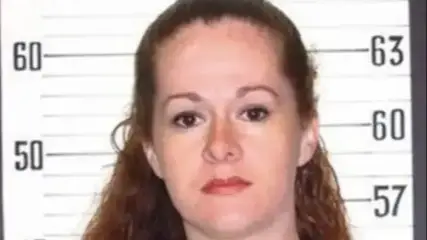
Why Christa Pike was injected with extremely controversial drug despite calls for it to be banned

Christa Pike has been left hospitalised on a ventilator following two rounds of a lethal drug last week.
The Tennessee death row inmate, 50, now has severe arm burns after surviving a double dose of pentobarbital - a drug which has faced scrutiny in the past.
Pentobarbital works by targeting the central nervous system in a way that makes a person unconscious while drastically depressing respiration, leading to cardiovascular collapse.
“So, if you're unconscious, you're not breathing, and you don't have blood pressure, you are not typically going to survive for more than a few minutes,” Dr Neil Winawer, a faculty member at the Emory University School of Medicine, told Fox 5 Atlanta.
Advert
Dr Winawer said the reason why the procedure didn’t work is because the drug leaked out of the vein and formed a reservoir pooling in the tissue.
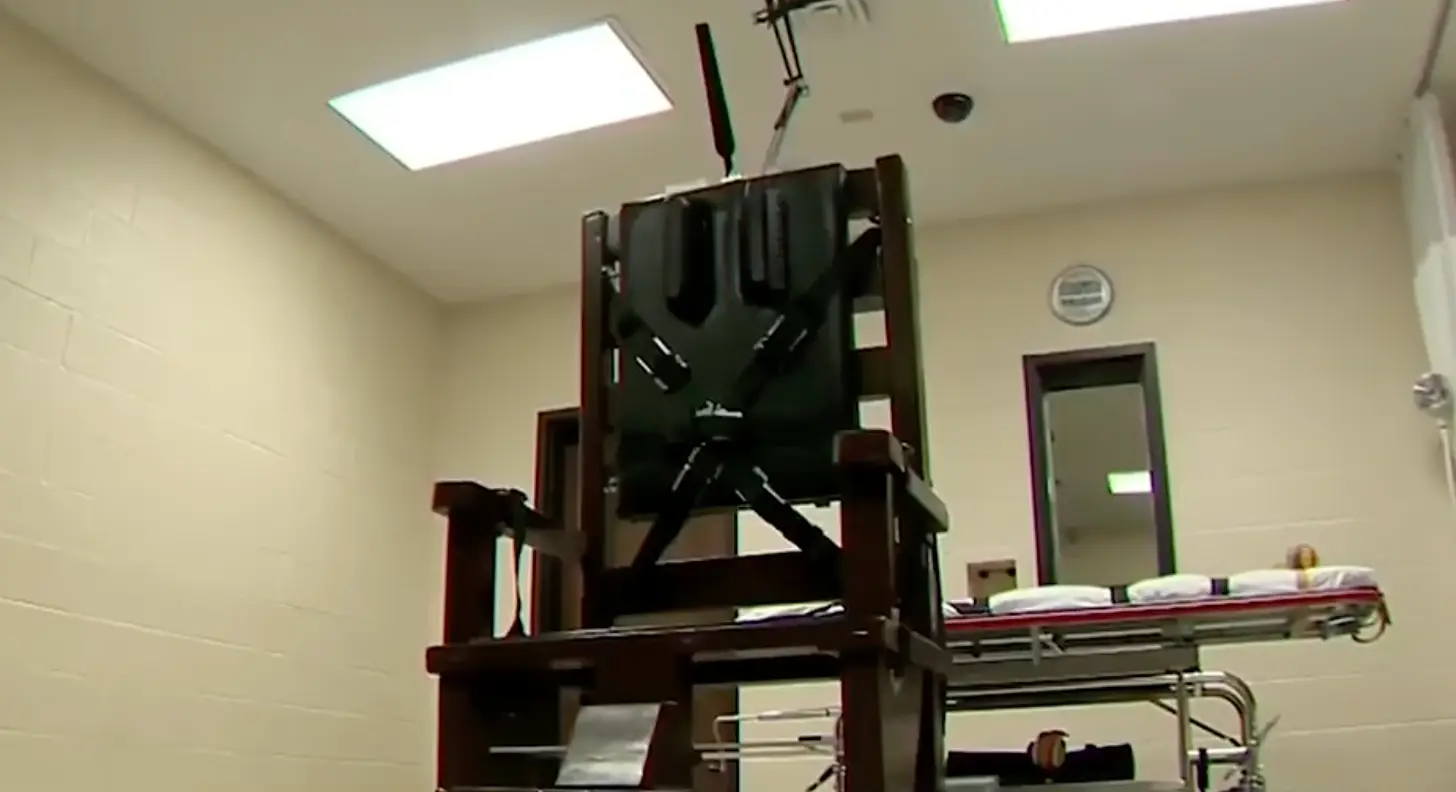
“Overwhelmingly, based on what they described about the arm and the difficulty getting IV access, you can be certain that a large portion of the drug infiltrated — came out of the blood vessel into the surrounding skin,” Dr Winawer added.
Pentobarbital controversy
Republican Gov. Bill Lee confirmed that the next execution won’t take place this year, which raises questions of pentobarbital’s use.
The three main concerns are that the drug may cause serious pain and suffering, problems with the quality of the drug and it may not always work as expected.
Pentobarbital may cause pulmonary edema, which means fluid builds up in the lungs, and some medical expertsargue that this could make a person feel like they are drowning or suffocating.
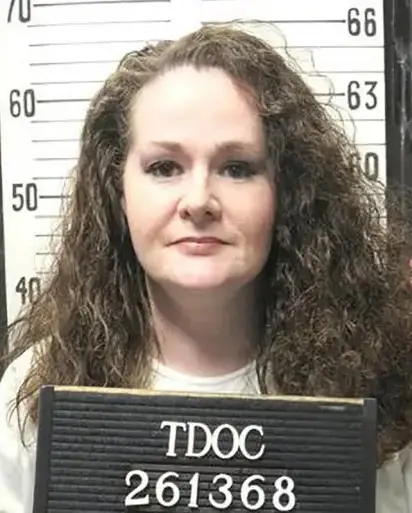
There are also concerns about where Tennessee gets pentobarbital, as many major drug companies refuse to provide their medicines for executions.
Because of this, states may use compounding pharmacies, which specially prepare medicines. Critics worry that these drugs may not always have the same level of quality, strength or purity.
David Nicholl, a UK doctor who submitted a petition to the Florida Supreme Court to stop an execution using pentobarbital in 2011, told The BMJ: “The whole thing is surrounded in secrecy, and I suspect that the staff doing the procedure weren’t particularly experienced.
“Drugs like this should not be used outside of a critical care setting.”
Pike’s current condition
“We don't know, but if she has a brain injury, if she went for minutes without oxygen or blood pressure, and now it gets even more muddy because now you have a person who is not in a vegetative state,” Winawer explained.
“They're not brain-dead. So technically, the state now has to provide life-sustaining therapy until next of kin decide what to do.”
Her lawyer Randy Spivey said during a news conference that she remains in 'critical condition' and is 'receiving life-saving care'.
“We don't have a sense of her prognosis or much update on her health at the moment,” Spivey said last Thursday.
“But we do know that that she is alive right now.”
 Anish Vij